 What Makes a Great Yoga Teacher Training in Vancouver
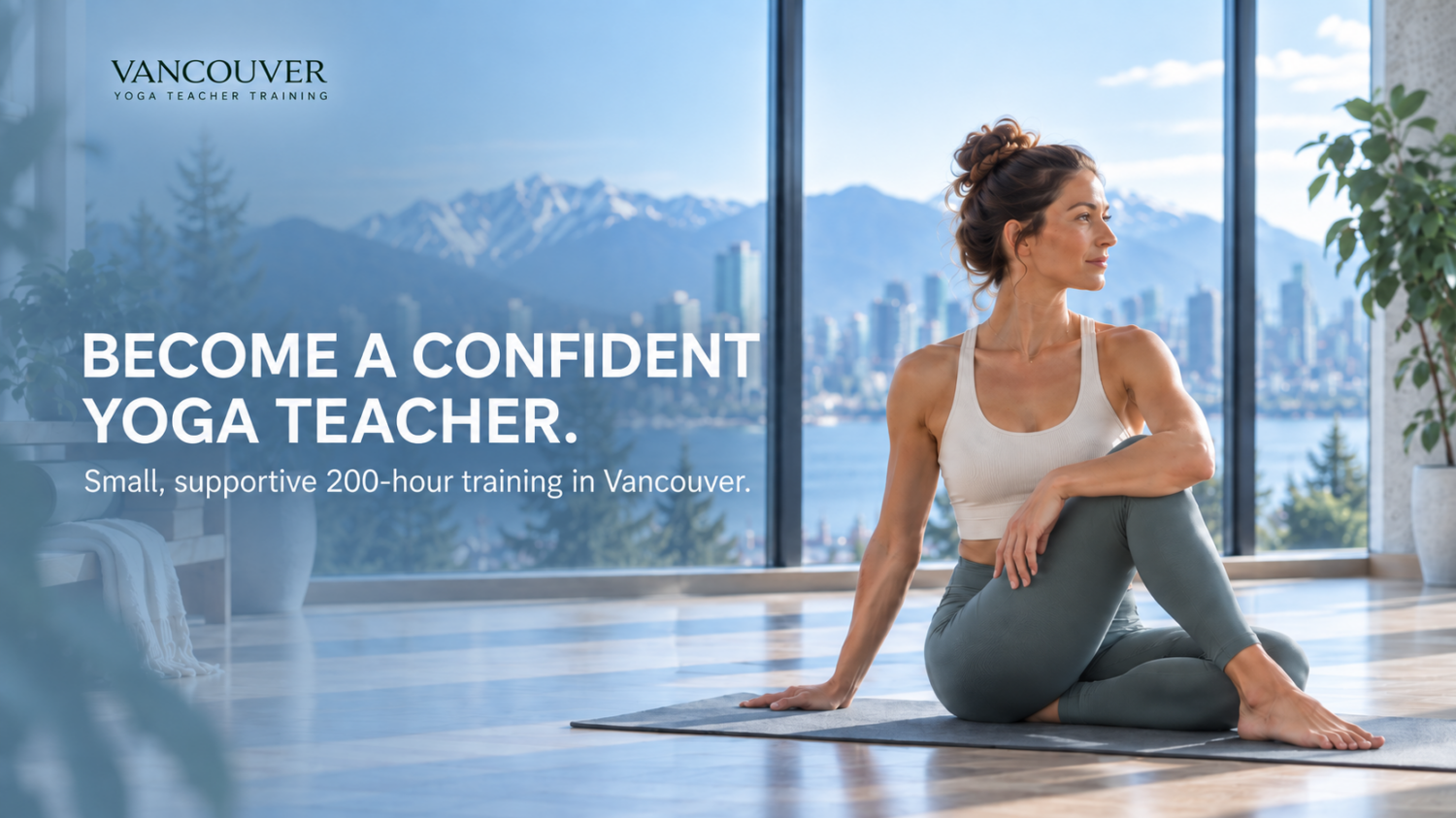
Vancouver’s yoga scene blends nature, diversity, and wellness innovation. Choosing the right teacher training program means finding one that transforms your practice and future teaching career.
This guide explores every element that defines excellence in a yoga teacher training (YTT) — while ensuring your blog aligns with Google’s latest updates for 2025.
Why Vancouver Is a Unique Place for Yoga Teacher Training
Vancouver stands out as one of the world’s most inspiring cities for yoga. With mountains, beaches, and forests all within reach, the natural setting enhances mindfulness and embodiment.
According to Tourism Vancouver, wellness travel continues to grow, and yoga teacher training retreats are at the heart of this evolution.
A quality YTT in Vancouver often integrates outdoor learning experiences — beach meditations, forest walks, or breathwork sessions overlooking the ocean. This connection to nature anchors your awareness and self-discovery.
Studios such as Karma Yoga emphasize sustainability and community service as part of their teacher training programs. They highlight how yoga extends beyond the mat into conscious living and community support.
You’ll also find multicultural influences: teachers with backgrounds in Ayurveda, Indigenous wisdom, neuroscience, and trauma-informed practice. This mix creates a well-rounded, compassionate approach.
Vancouver’s inclusive culture attracts students from around the world — so you’ll experience diverse perspectives in every session. In short, Vancouver offers not just beautiful scenery but a culture of depth, diversity, and mindfulness that elevates every training experience.
The Core Pillars of a Great Yoga Teacher Training
A transformative yoga teacher training rests on four essential pillars: curriculum, faculty, mentorship, and community.
Curriculum
Strong programs follow international standards, such as those defined by Yoga Alliance. A comprehensive 200-hour syllabus should include anatomy, physiology, philosophy, sequencing, ethics, meditation, and business foundations.
Schools like Yoga Teacher Vancouver integrate both ancient philosophy and modern science — giving you a balanced foundation.
Faculty
Your instructors matter most. Seek teachers who embody yoga on and off the mat. Vancouver’s top trainings feature senior mentors with decades of experience and guest teachers from global traditions.
Mentorship
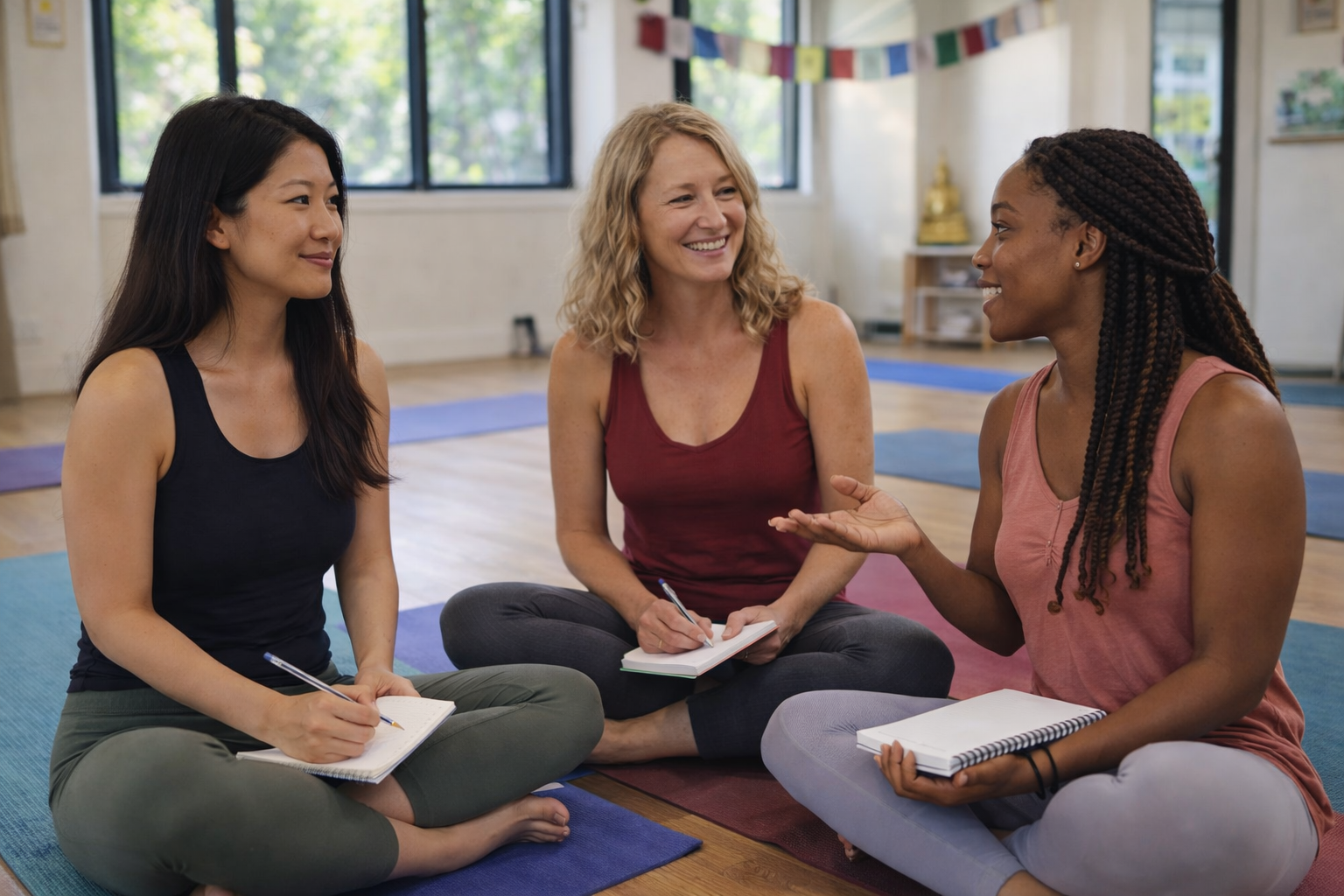
A hallmark of great programs is individual feedback. Students receive guidance on teaching voice, cueing, and energy management. Regular practice-teaching and reflection circles ensure rapid growth.
Community
The spirit of yoga thrives in community. Spectrum Yoga builds long-term relationships between teachers and graduates, helping alumni stay inspired through continuing education, events, and mentorship.
A training that blends these four pillars doesn’t just produce teachers — it produces leaders.
What to Look for When Comparing Vancouver Programs
Before enrolling, evaluate these criteria to find the program that fits your lifestyle, learning style, and goals.
Accreditation and Reputation
Ensure the program is registered with Yoga Alliance or Yoga Alliance International Canada. Certification guarantees quality, credibility, and global recognition.
Class Size and Support
Small class sizes allow for personalized feedback. Ask about student-teacher ratios and mentor accessibility.
Environment
Training in Vancouver means learning in one of the world’s greenest, most mindful cities. Look for programs that use eco-friendly materials, carbon-neutral studios, or outdoor modules near Stanley Park or Kitsilano Beach.
Practice-Teaching Opportunities
You should log real teaching hours before graduation. Practical experience cements knowledge and confidence.
Community Integration
Programs connected with local studios and wellness organizations help graduates find teaching opportunities immediately.
Choosing wisely ensures your training transforms your life — not just your resume.
Aligning with Google’s 2025 SEO Updates
The digital side of your yoga journey matters too. Whether you run a YTT website or blog, understanding SEO trends keeps you visible and trusted.
According to Search Engine Land, Google’s latest core update emphasizes helpful content, transparency, and authenticity. Here’s how to adapt:
-
Write People-First: Focus on useful, original, experience-based writing. Avoid over-optimization.
-
E-E-A-T Signals: Demonstrate Experience, Expertise, Authoritativeness, and Trustworthiness. Include your credentials, testimonials, and transparent pricing.
-
Structured Data: Use schema markup and clear headings so AI search results recognize your content easily.
-
Page Experience: Ensure your website loads fast, is mobile-friendly, and easy to navigate.
-
Internal Links: Connect to your own ecosystem (Karma Yoga, Spectrum Yoga) for topical authority.
-
External References: Link to trusted sources like Google Search Central Blog for technical credibility.
Following these practices aligns your yoga website with both heart and algorithm — the modern yoga of digital awareness.
Sample Structure of an Exceptional Vancouver YTT
Let’s visualize what a model 200-hour Vancouver training might include:
-
Foundations: Yoga history, philosophy, Sanskrit basics, ethics.
-
Anatomy & Alignment: Body mechanics, posture safety, common injury prevention.
-
Teaching Skills: Cueing, sequencing, class theming, hands-on adjustments.
-
Meditation & Pranayama: Techniques for mental clarity and emotional balance.
-
Specializations: Trauma-informed yoga, Yin, Restorative, and Ayurveda.
-
Business of Yoga: Branding, digital marketing, pricing, and self-employment skills.
-
Community & Service: Karma projects, outreach, and inclusion workshops.
-
Final Practicum: Teach a public class with mentor feedback.
This structure combines technical excellence with emotional intelligence. A training that reflects these modules ensures your transition from student to teacher is seamless.
Graduate Outcomes and Longevity
Look for programs that celebrate graduates and sustain them long-term. A great school tracks alumni success — studio jobs, online courses, retreats, or wellness startups.
For instance, many Karma Yoga alumni run thriving classes across British Columbia. They stay connected through mentorship programs, collaborative retreats, and continuing education.
Sustainability and integrity matter: the best trainings minimize waste, use eco props, and give back through community events. Vancouver’s yoga community values programs that walk their talk — from ethical sourcing to inclusive pricing.
A lasting yoga teacher training nurtures a lifelong network of peers, mentors, and students. When choosing, ask: Does this program care about me after certification?
How to Choose the Right Yoga Teacher Training for You
Making the final choice depends on clarity, intuition, and alignment with your personal journey.
Ask yourself:
-
What style resonates — Hatha, Vinyasa, Yin, or multi-style?
-
How much time can you commit weekly?
-
Do you prefer an immersive month or weekend modules?
-
What’s your career vision — studio teaching, retreats, or therapeutic yoga?
Then, compare the top Vancouver programs side by side. Attend info sessions. Meet instructors. Read alumni reviews on sites like Yoga Alliance.
Programs like Yoga Teacher Vancouver or Spectrum Yoga let you blend self-growth with professional skill.
Trust your body’s response when you visit the space — calm, safe, inspired? That’s your cue.
Conclusion: What Makes a Great Yoga Teacher Training in Vancouver
A great yoga teacher training in Vancouver combines depth, inclusivity, mentorship, and heart. It honors yoga’s roots while evolving for modern minds. It embraces sustainability, community, and ongoing support.
When you find a program that aligns with both your spirit and your future goals, you’ll know. Vancouver offers the environment, teachers, and energy to turn your path into purpose.