 200-Hour Yoga Teacher Training Vancouver (2025): Complete Guide
The 200-Hour Yoga Teacher Training Vancouver (2025): Complete Guide, Dates, and Certification Requirements helps you understand exactly what to expect from a local program in 2025. Vancouver remains one of Canada’s most active yoga hubs. Students seek programs that offer flexible schedules, recognized certifications, and strong teaching foundations. Schools continue updating their courses to match student needs and global yoga trends.
Many programs in Vancouver deliver flexible structures, including intensive formats, weekend modules, and hybrid options. These formats help students fit yoga study into busy calendars. Schools also focus on anatomy, alignment, sequencing, ethics, and teaching methodology. This guide breaks down the essentials for choosing a strong 200-hour training in Vancouver. You will learn the common dates, required hours, certification pathways, and what to expect from the training environment.
1. What the 200-Hour Certification Means in 2025
The 200-hour yoga teacher training remains the global baseline for yoga teaching preparation in 2025. Schools design these programs to give students clear foundations in alignment, anatomy, teaching skills, and personal practice. The structure allows beginners to advance into confident instructors. Many students start training with no teaching plans but gain confidence as they progress.
The 200-hour level includes set competency areas. These areas cover yoga history, philosophy, breathing techniques, teaching skills, and practical sequencing. Programs include contact hours, non-contact assignments, practice teaching, and assessments. Students learn to teach safe beginner and intermediate classes. Programs in Vancouver maintain high emphasis on functional alignment because many students come from fitness or Pilates backgrounds. Vancouver’s training culture values evidence-based movement. Many instructors integrate anatomy models, visual demos, and trauma-informed principles.
In 2025, most Vancouver programs offer hybrid learning. Students complete anatomy modules online and attend physical practice sessions in person. This hybrid model reduces scheduling pressure. It also helps students stay consistent with assignments. Most schools require attendance for roughly 90% of in-person practice hours. Students complete missed hours through makeup modules or private sessions. Safety remains central because Vancouver studios face high demand for well-trained instructors. Schools must prepare students to teach confidently in busy public settings.
The 200-hour certification also prepares students for continuing education. Many graduates pursue 300-hour advanced training or focus on niche subjects like Yin, Restorative, or Prenatal yoga. Vancouver’s yoga market supports strong demand for continuing education due to studio hiring standards. Schools refine assessments so students demonstrate clear teaching ability. These assessments may include teaching exams, video submissions, or peer-led practice sessions. Programs maintain a supportive environment and help students progress at a steady pace.
2. Vancouver Program Dates, Structures, and Training Formats
Vancouver yoga schools offer year-round 200-hour training dates in 2025. Programs run in January, spring, summer, and fall. Winter programs usually run as intensives. These intensives help students complete training quickly. Summer schedules often mix weekends and evening sessions. Many students choose weekend programs because they allow steady progress with lower weekly intensity. Vancouver remains a top city for flexible delivery because many residents balance yoga with work and university schedules.
Schools in Vancouver offer three main formats. The first format is the seven-day or ten-day intensive. These formats deliver long training days and fast-paced immersion. Students follow structured timelines with daily practice, teaching drills, and evening assignments. The second format is the eight-weekend program. This structure spreads training across several Saturdays and Sundays. This format helps students integrate content more slowly. The third format is the hybrid model. The hybrid model combines online learning for anatomy and philosophy with in-person teaching labs. Many schools use this format because it supports students who prefer self-paced study.
Programs also schedule multiple practice requirements. Students complete a set number of practice hours each week. Many schools encourage daily home practice to help students feel confident in sequencing. Vancouver studios emphasize real teaching experience. Students complete practice teaching sessions with classmates or volunteer groups. Some schools partner with local community centers.
Weather in Vancouver also affects training culture. Many students enjoy practicing outdoors during warmer months. Parks like Kits Beach, Trout Lake, and Stanley Park host yoga gatherings. This culture helps new teachers gain confidence teaching real groups. Schools encourage students to experience different class styles. Exposure to Hatha, Vinyasa, Yin, and Power Yoga helps students shape their teaching identity.
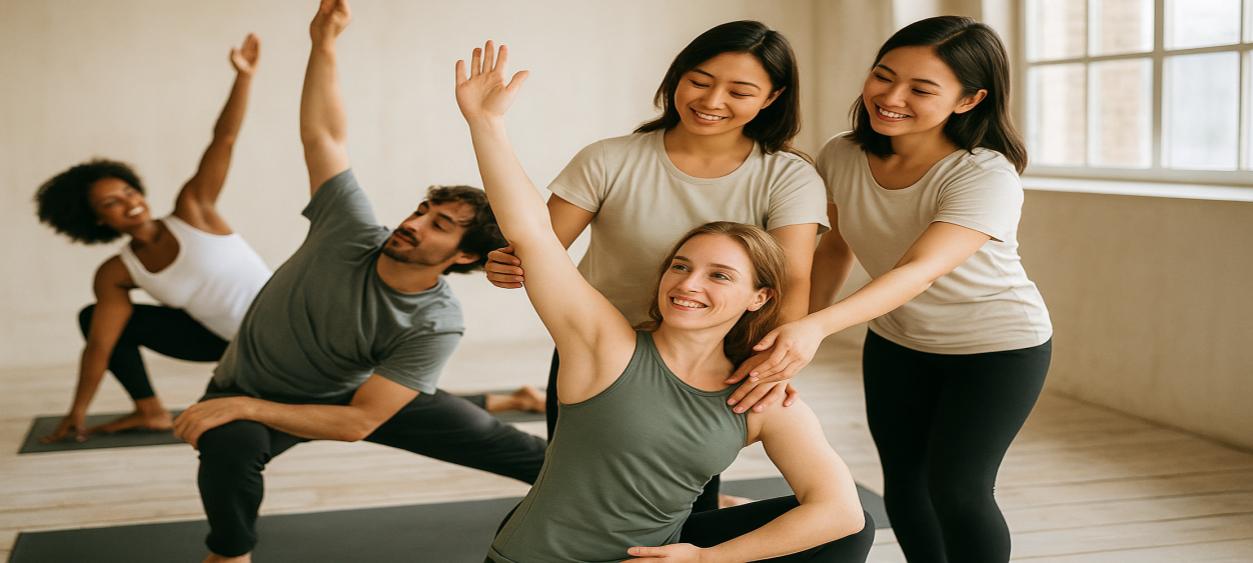
Hybrid schedules continue growing in popularity. Many students prefer completing philosophy and anatomy online because these subjects require focused study. Schools upload video lectures, handouts, and quizzes. These materials support flexible learning and help students track progress easily. The practical components remain in person. Teaching practice, hands-on adjustments, and sequencing labs depend on real-time instruction. Vancouver instructors follow evidence-based training principles. They focus on safe movement patterns, breath cues, and supportive communication.
3. Certification Requirements for a 200-Hour Program in 2025
Certification requirements remain clear and consistent across most 200-hour yoga teacher training programs. Students must complete all required hours, assessments, and assignments. Programs include practical teaching, anatomy study, philosophy review, and written exams. Schools verify that students demonstrate practical teaching skills and safe cueing. This verification ensures graduates meet global expectations.
Most Vancouver programs require attendance for core practice hours. Students must attend physical classes to learn alignment and cueing. Missed hours may require makeup sessions. Many schools charge small fees for makeup sessions because teachers need to schedule extra time for instruction. Students must also complete reading assignments and online modules. These modules include anatomy quizzes, philosophy summaries, and reflective journals.
Safety remains a priority in 2025. Programs teach trauma-aware communication, safe hands-on options, and clear boundaries. Vancouver instructors follow updated guidelines influenced by global teacher training standards. These guidelines support inclusive teaching and prevent injury. Schools teach functional movement patterns and emphasize posture variations. This approach reduces pressure to perform exact shapes. Students learn that every body has unique structure and range.
Certification also requires practical assessments. Students must teach short sequences and full classes before graduation. Most assessments evaluate clarity, safety, pacing, and confidence. Teachers observe student progress and give detailed feedback. The assessments help students understand personal strengths and areas requiring practice. Vancouver schools encourage steady improvement rather than perfection.
Graduates receive a 200-hour certificate recognized by most global registries. Many programs allow registration with Yoga Alliance or alternative organizations. Registration helps graduates access insurance, teaching directories, and continuing education courses. Some schools also help graduates secure teaching placements. Vancouver’s yoga community supports new instructors because demand remains healthy. Studios, gyms, community centers, and private clients create accessible teaching opportunities for new teachers.
Certification in 2025 also prepares students for hybrid teaching environments. Many instructors now teach online and in-person classes. Programs include microphone use, camera setup, and digital teaching etiquette. Graduates learn to manage both contexts with confidence. These skills improve future employment opportunities. Students also learn small business skills. Schools teach marketing basics, brand identity, and class promotion.
Conclusion: 200-Hour Yoga Teacher Training Vancouver (2025): Complete Guide
This guide helps you understand what to expect from a 200-hour yoga teacher training in Vancouver in 2025. The training includes clear certification steps, flexible schedules, strong teaching support, and a community-focused learning environment. Students gain confidence, teaching skills, and knowledge that supports long-term growth. Vancouver’s yoga culture offers supportive instructors, hybrid learning pathways, and real opportunities for new teachers. You now have everything needed to choose the right training program and begin your teaching path with clarity and purpose.