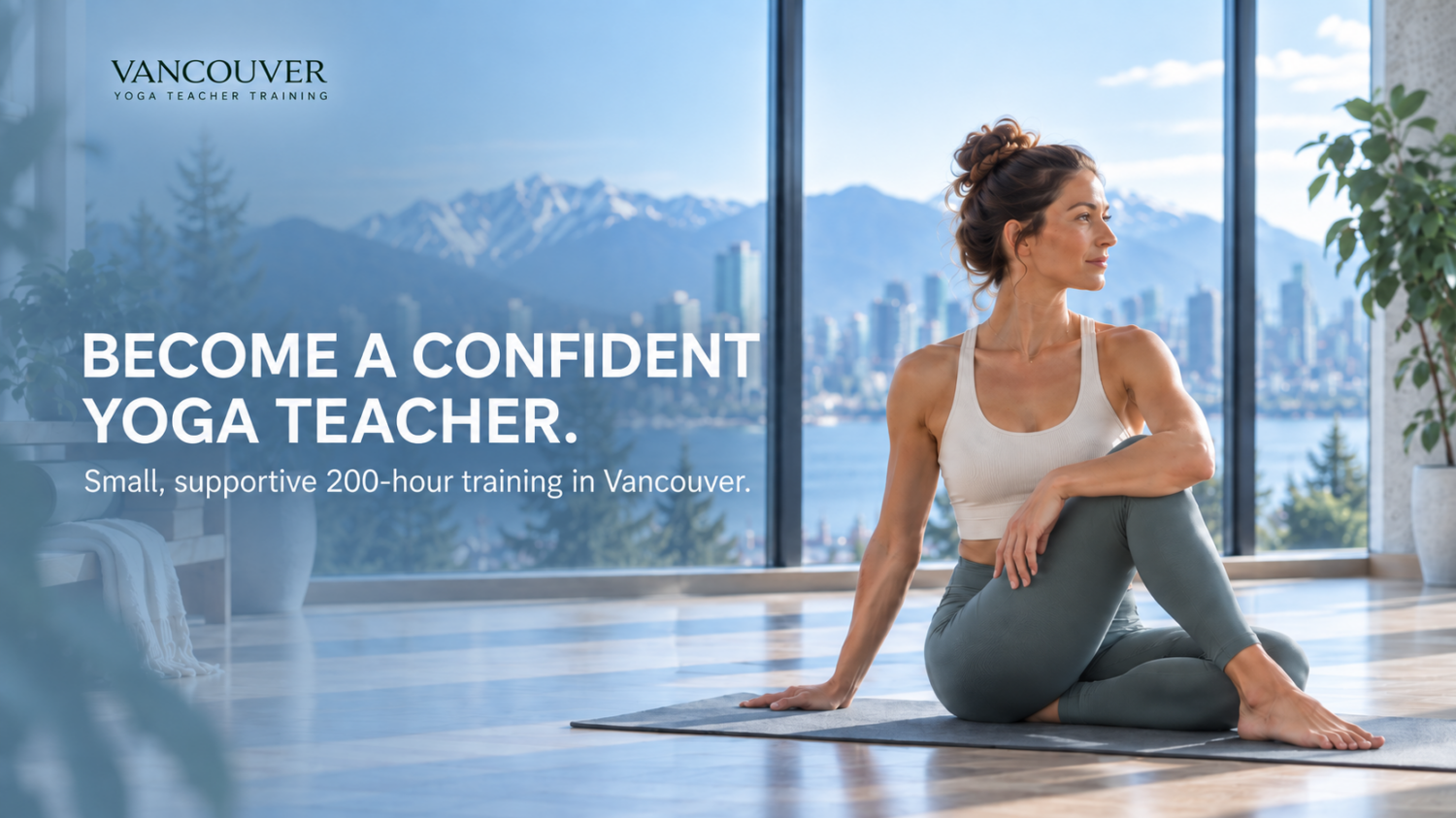
 How to Choose the Right 200-Hour Yoga Teacher Training in Vancouver

Choosing a 200-hour yoga teacher training in Vancouver can feel overwhelming. Vancouver offers many schools, styles, and schedules. Each training promises transformation, but not all programs deliver equal value. You need clarity before you invest time and money. This guide simplifies the process. You will learn how to evaluate credibility, curriculum, teachers, cost, scheduling, and long-term career support. You will also learn how new Google updates affect your search and selection. This blog will help you make a confident decision. Let’s explore how to choose the right 200-hour yoga teacher training in Vancouver.
1. Understand Accreditation, Standards, and Quality Signals
Choosing the right program begins with understanding standards. Many people assume accreditation equals quality. This is not always true. Some organizations act only as registries. Other organizations assess schools more directly. You must learn the difference. Vancouver has many trainings that follow the common 200-hour curriculum model. Yet the depth and accuracy of these programs vary greatly. Your first job is to confirm that the training meets modern teaching standards. These standards must include safe movement principles, trauma-aware teaching, and cultural respect. These areas matter more today because students expect accountability.
Google’s recent updates now reward trustworthy, fact-based content. Training programs that publish unclear or outdated information may rank poorly. This helps you identify quality. Look for schools with transparent curriculum pages. Look for real teacher bios, not vague descriptions. Look for clear assessment methods. Look for programs that document their teaching lineage. Look for programs that explain how they support students after graduation. These indicators reveal credibility.
You must also check teacher experience. Tenure matters more than follower counts. A senior teacher can guide you through anatomy, philosophy, and sequencing with clarity. They will understand injuries, contraindications, and adaptive practices. They will teach you beyond the script.
Here are quality signals to watch for:
-
Clear curriculum structure.
-
Accessible teachers.
-
Transparent pricing.
-
Practical assessments.
-
Support after graduation.
Evaluate programs with these signals. You will quickly separate marketing from substance.
2. Compare Curriculum Depth and Teaching Methods
Curriculum depth affects your confidence as a teacher. The right curriculum must include anatomy, sequencing, history, philosophy, alignment, cueing, and teaching labs. Many trainings teach these areas lightly. Others offer deeper guidance. You must compare programs carefully. A strong curriculum prepares you to teach any level. A shallow curriculum leaves you unsure. Your goal is to finish training ready to guide students safely and clearly.
A strong program includes anatomy that applies to real classes. It must teach spinal mechanics, joint function, breath physiology, and injury prevention. Many programs skip this detail. They rely on generic anatomy lectures. These sessions feel academic and offer little value. You want applied anatomy. You want practical examples. You want real case studies.
A strong program also includes philosophy that supports modern living. Philosophy must be accurate and respectful. It must teach the Yoga Sutras, the Eight Limbs, and core concepts. It must avoid oversimplification. You want teachers who understand yoga beyond clichés. You want guidance that respects yoga’s history.
Teaching labs also matter. You must practice teaching. You must cue poses. You must learn class structure. You must receive feedback. You must correct alignment. Without this, you will not feel ready. Many graduates from weak programs delay teaching because they lack confidence.
Review these curriculum signals:
-
Applied anatomy.
-
Trauma-aware teaching.
-
Philosophy taught with accuracy.
-
Sequencing structure.
-
Real teaching practice.
-
Experienced trainers leading sessions.
The right curriculum will change your life. It will shift your understanding of yoga. It will make you capable and confident.
Citation example:
Evidence shows clear instruction improves safety in yoga classes (NIH, 2023).
3. Evaluate Schedule, Format, and Learning Environment
Scheduling affects your success. Vancouver offers weekend, immersion, hybrid, and condensed programs. You must choose based on your energy, availability, and learning style. A 200-hour training requires focus. You must select a format that supports your brain, not exhausts it.
Weekend programs allow balance. You study while working. This schedule suits people with jobs or children. Yet progress feels slower. You must review material between weekends. You must stay disciplined.
Immersion programs offer deep focus. These programs last one or two weeks. They compress hours into long days. You learn quickly. You feel fully immersed. But immersion requires strong resilience. You must manage fatigue. You must review material nightly.
Hybrid programs offer flexibility. You complete lessons online. You complete labs in person. This model suits people who need a balanced pace. You learn theory at home. You focus on teaching skills during in-person sessions. Many Vancouver schools now offer hybrid formats.
The environment also matters. You must choose a school with supportive energy. A comfortable space improves learning. A crowded or noisy space increases stress. Visit the studio before registering. Meet the lead teacher. Ask questions.
Here are questions to guide your decision:
-
Does the schedule support your life?
-
Does the format match your learning style?
-
Does the studio feel comfortable and safe?
-
Do current students seem supported?
-
Does the training offer real mentorship?
A strong environment helps you grow with confidence.
Citation example:
Focused study improves skill retention in intensive programs (University of British Columbia, 2024).
4. Understand Price, Value, and Post-Graduation Support
Price differences can confuse you. Vancouver offers programs from low-cost to premium. The cheapest option may lack depth. The most expensive may not offer superior training. You must choose based on value, not price alone. Value includes teacher experience, curriculum quality, support, materials, and class size.
Look for clear pricing. Look for transparent policies. Look for refund terms. A trustworthy school shows these details. A vague school avoids them. Evaluate how many hours you receive with senior teachers. Some schools list many hours but deliver fewer direct contact hours. You want real teaching time.
Career support matters. You want a program that helps you after graduation. You want business advice. You want class-planning tools. You want mentorship. You want guidance on teaching online. You want help with confidence. Many programs stop supporting students after certification. Strong programs continue guiding you.
Here are signs of real value:
-
Senior teachers lead most sessions.
-
You receive clear assessments.
-
You receive support after certification.
-
You receive lesson templates.
-
You receive business guidance.
-
You receive community access.
Ask graduates about their experience. Ask about confidence levels. Ask about job placement. Real feedback reveals the truth.
Citation example:
Students with mentorship show greater teaching confidence (UBC Education Review, 2023).
Conclusion: How to Choose the Right 200-Hour Yoga Teacher Training in Vancouver
Choosing the right yoga teacher training in Vancouver requires clarity, research, and honest evaluation. You must look beyond advertising. You must assess curriculum quality, teacher experience, structure, and long-term support. A strong program will elevate your teaching and deepen your personal practice. Your training should feel inspiring, safe, and challenging. Use this guide to make your decision with confidence. You deserve a training that shapes your future.