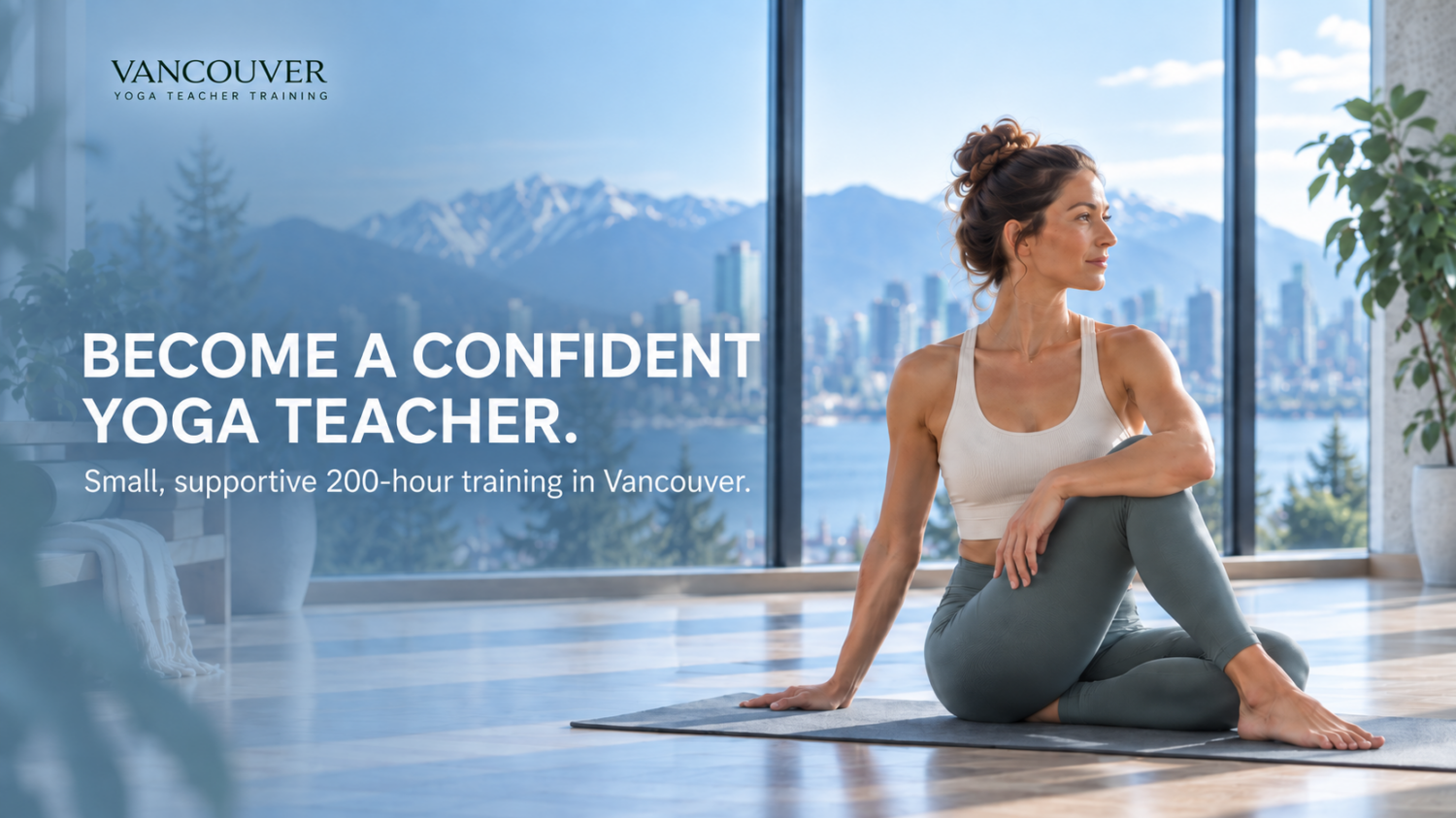
 How to Choose the Right Yoga Teacher Training Program: A Complete Guide
Introduction
Choosing the right yoga teacher training program can shape your future in yoga. Many students feel overwhelmed when they begin researching programs. Hundreds of schools advertise different styles, schedules, and certifications. Some promise rapid transformation. Others focus on tradition or philosophy. The truth sits somewhere between these claims.
The title of this article, How to Choose the Right Yoga Teacher Training Program: A Complete Guide, reflects the goal of this guide. It aims to help prospective students evaluate programs with clarity. The yoga industry has grown rapidly over the past two decades. With that growth came many excellent schools. It also brought programs that focus more on marketing than education.
A good training program should deepen your understanding of yoga. It should improve your practice and help you teach safely. It should also support your personal growth. The right program depends on your goals, schedule, and learning style. Some students want to teach professionally. Others want to deepen their practice.
This guide explains the factors that matter most when evaluating training options. It covers accreditation, program structure, teaching style, costs, and outcomes. Each section helps you ask better questions before enrolling. When you choose carefully, teacher training becomes a transformative experience instead of a rushed certification.
Understanding the Purpose of Yoga Teacher Training
Why People Enroll in Yoga Teacher Training
Many people assume yoga teacher training exists only for future instructors. In reality, many participants join training for personal growth. They want to deepen their understanding of yoga philosophy, anatomy, and practice. A well-designed program supports both goals.
Teacher training traditionally follows the 200-hour model. This format developed to create a baseline standard in yoga education. It usually includes anatomy, teaching methods, philosophy, and practice teaching. These elements help students learn how yoga works in the body and mind.
Some students enroll with clear teaching goals. They want to lead classes in studios, gyms, or wellness centers. Others simply want to understand yoga more deeply. Both reasons are valid. The key lies in choosing a program that respects both motivations.
A thoughtful program balances theory and practice. Students should spend time learning anatomy, sequencing, and alignment. They should also practice teaching in a supportive environment. This experience builds confidence before teaching real classes.
When evaluating programs, ask whether the curriculum reflects this balance. Some schools emphasize lectures but offer little teaching practice. Others move quickly through material without explaining the underlying principles. Strong programs integrate knowledge and experience.
Understanding your own purpose helps narrow the options. If your goal is personal growth, look for programs with strong philosophy and practice components. If your goal is teaching, prioritize programs with extensive teaching practice.
Evaluating Accreditation and Program Standards
Why Accreditation Matters in Yoga Education
Yoga remains an evolving field without universal regulation. Many countries do not require a formal license to teach yoga. Instead, voluntary accreditation systems help establish educational standards.
Organizations such as Yoga Alliance maintain registries of training schools and teachers. These registries outline basic curriculum guidelines for programs. They also create a recognizable credential for graduates.
However, accreditation alone does not guarantee quality. A registered program may still vary in depth and teaching style. Accreditation simply indicates that the school meets baseline educational criteria.
Students should treat accreditation as one factor among many. It confirms that the curriculum includes core subjects. These subjects usually include anatomy, teaching methodology, and philosophy. Programs that skip these areas may offer an incomplete education.
When reviewing programs, examine both accreditation and curriculum detail. Look at how many hours the program dedicates to practical teaching experience. Also review the experience of the faculty.
Some respected programs operate independently without large registries. They may follow traditional teaching methods or unique training models. These schools often rely on reputation rather than certification systems.
Ultimately, accreditation offers reassurance but should not replace careful research. Ask about curriculum depth, teaching experience, and graduate outcomes. A strong program should explain its educational philosophy clearly.
Understanding Different Training Formats
Online Versus In-Person Training Programs
The rise of online education has changed yoga teacher training options. Many schools now offer digital training programs alongside traditional in-person formats. Each approach offers advantages and limitations.
Online training provides flexibility. Students can study at home and follow recorded lectures. This format allows participants to move through material at their own pace. For people with busy schedules, this convenience can make training accessible.
However, online training limits real-time feedback. Yoga teaching involves observing posture, alignment, and movement. These elements become harder to evaluate through video alone.
In-person training offers direct mentorship. Students receive immediate guidance from experienced teachers. They also practice teaching in a live classroom environment. This experience helps develop confidence and communication skills.
Group training also creates a supportive learning community. Students learn from each other through practice teaching and discussion. Many graduates say this environment strengthens their learning experience.
Some programs combine both approaches. Hybrid training includes online theory modules with in-person teaching sessions. This format balances flexibility with hands-on experience.
When choosing a format, consider how you learn best. Students who value interaction often prefer in-person programs. Those with tight schedules may benefit from hybrid options.
A strong program should clearly explain how it supports learning in its chosen format. Look for programs that prioritize feedback, mentorship, and practical teaching experience.
Evaluating Curriculum and Teaching Quality
What a Strong Yoga Teacher Training Curriculum Includes
Curriculum depth often separates strong programs from superficial ones. A high-quality training program should cover several key areas thoroughly. These areas form the foundation of effective yoga teaching.
Anatomy and physiology help teachers understand how yoga affects the body. Students learn how muscles, joints, and movement patterns interact. This knowledge helps prevent injury and improve alignment guidance.
Teaching methodology focuses on communication and sequencing. Students learn how to design balanced classes. They also practice giving clear instructions and observing students.
Yoga philosophy provides historical and cultural context. Traditional texts such as the Yoga Sutras explore the ethical and philosophical roots of yoga. Understanding these ideas deepens teaching beyond physical movement.
Practice teaching forms another essential component. Students should regularly teach short sequences during training. These experiences allow teachers to receive constructive feedback.
Some programs also include specialized topics. These may include trauma-informed teaching, meditation instruction, or adaptive yoga. These additions expand a teacher’s skill set.
When reviewing programs, request a detailed curriculum outline. Look for balanced time distribution across subjects. Programs that rush through major topics may leave gaps in knowledge.
A thoughtful curriculum prepares students for real teaching environments. It combines theory, practical experience, and reflective learning.
Assessing Faculty Experience and Teaching Style
Why Experienced Teachers Make a Difference
The instructors leading a training program strongly influence the learning experience. Experienced teachers bring practical knowledge from years of teaching. They also understand common challenges new instructors face.
Students benefit when trainers share real classroom examples. These insights help connect theory with practical teaching situations. Experienced instructors also provide nuanced feedback during practice teaching.
Teaching style also matters. Some trainers emphasize strict alignment principles. Others focus on intuitive movement or mindfulness. Neither approach is inherently better. The key lies in finding a teaching philosophy that resonates with your values.
Prospective students should research instructor backgrounds. Look at their teaching history and areas of specialization. Many programs publish biographies of their lead trainers.
It can also help to attend a class taught by the instructor before enrolling. This experience reveals how they communicate and guide students. Observing their teaching style can clarify whether the program suits your learning preferences.
Programs led by multiple instructors may offer broader perspectives. Different teachers may specialize in anatomy, philosophy, or sequencing. This diversity enriches the educational experience.
Ultimately, the trainer’s ability to communicate clearly and support student growth matters most. Skilled teachers encourage curiosity and thoughtful discussion.
Considering Cost, Schedule, and Practical Logistics
Balancing Budget and Training Quality
Yoga teacher training represents a significant investment. Program costs often range from a few thousand to several thousand dollars. Prices vary depending on location, duration, and reputation.
Students should evaluate cost alongside program depth. A lower price may reflect shorter training hours or fewer resources. Higher prices may include experienced faculty and comprehensive materials.
Schedule also plays an important role. Some programs run intensively over several weeks. Others spread training across weekends or several months. Each format affects learning differently.
Intensive programs immerse students in yoga practice and study. This environment can accelerate learning. However, the schedule may feel demanding for beginners.
Extended programs allow more time to absorb information. Students can practice new skills between sessions. This format suits people balancing work and family commitments.
Location and travel logistics also matter. In-person training may require commuting or temporary relocation. Consider how these factors affect your schedule and budget.
Many programs offer payment plans to make training more accessible. Some also provide early registration discounts. Reviewing these options can help reduce financial pressure.
The goal is not simply to find the lowest cost program. Instead, seek a program that offers meaningful education within your budget.
Evaluating Career Outcomes and Community Support
What Happens After Teacher Training
Completing yoga teacher training marks the beginning of a teaching journey. Many graduates ask what happens next. Some begin teaching immediately. Others spend time refining their practice.
A supportive training program often includes post-graduation guidance. This support may include mentorship, teaching opportunities, or networking events. These resources help graduates transition into teaching roles.
Some schools maintain alumni communities. Graduates share teaching experiences and continue learning from one another. This ongoing connection strengthens professional development.
Students interested in teaching should ask about career outcomes. Programs may provide teaching practicums or studio partnerships. These opportunities give new instructors practical experience.
Continuing education also plays an important role. Yoga teachers often pursue additional certifications over time. These programs may focus on specialized populations, meditation, or therapeutic yoga.
A strong training program encourages lifelong learning. It helps graduates build confidence while recognizing that teaching skills develop gradually.
When evaluating programs, consider the community they create. Programs that foster supportive networks often produce confident teachers. The relationships built during training may continue for years.
Conclusion: How to Choose the Right Yoga Teacher Training Program: A Complete Guide
Choosing a yoga teacher training program requires careful thought and research. The decision shapes both your education and your future teaching opportunities. The title of this article, How to Choose the Right Yoga Teacher Training Program: A Complete Guide, reflects the importance of this choice.
Students should begin by clarifying their goals. Some want to teach professionally. Others seek personal growth and deeper understanding. Both goals deserve thoughtful consideration.
Next, evaluate program quality through several factors. Accreditation provides basic reassurance. Curriculum depth reveals the educational value of the training. Experienced instructors offer guidance that shapes the learning experience.
Training format also matters. In-person programs provide hands-on feedback and community. Online options offer flexibility for busy schedules. Hybrid programs combine both approaches.
Cost, schedule, and location should align with your lifestyle. A strong program balances practical logistics with meaningful education.
Finally, consider the support offered after graduation. Programs that build community and mentorship help graduates grow into confident teachers.
The right program will challenge you, deepen your practice, and expand your understanding of yoga. With careful evaluation, you can choose a training experience that supports both personal growth and professional development.