 How Long Does It Take to Complete Yoga Teacher Training in Vancouver?
If you are considering becoming a yoga teacher, one of the first questions you will ask is simple: how long will it take? The answer is not one number. It depends on how the program is structured, how much time you can commit, and how the school delivers the training. In Vancouver, yoga teacher training programs are flexible by design. Some are built for immersion and speed, while others are designed for people balancing work, family, and other commitments. The most important thing to understand is that the industry standard is based on hours, not calendar time. Once you understand how those hours are delivered, the timeline becomes much clearer. This guide explains the realistic timelines you will see in Vancouver, what affects those timelines, and how to choose the right format so you actually get value from the training rather than just finishing it.
What “200-Hour Yoga Teacher Training” Really Means
Most yoga teacher training programs are structured around a 200-hour certification model, which is widely recognized across the global yoga industry. This standard exists as a guideline rather than a strict rule, and it is commonly referenced by organizations such as Yoga Alliance. The key point many people misunderstand is that these 200 hours do not refer to how long the program lasts in terms of weeks or months. Instead, they refer to total instructional time. That time includes physical practice, anatomy, philosophy, teaching methodology, and practice teaching. Because of this, one school might deliver those 200 hours in a condensed format over a few weeks, while another spreads them out over several months. Both programs can be legitimate and meet the same standard. The timeline is flexible because the structure is flexible. Understanding this distinction is critical before comparing programs, because two courses with the same certification can feel completely different depending on how those hours are scheduled and taught.
 Typical Timelines for Yoga Teacher Training in Vancouver
In Vancouver, most yoga teacher training programs fall into three general timeline categories, and each one reflects a different approach to learning and scheduling. Intensive programs are the fastest option and usually take about three to four weeks to complete. These programs run full-time, often six days per week, with long daily sessions that can last six to eight hours. They are immersive and demanding, but they allow you to complete your certification quickly. Part-time programs are the most common option in Vancouver, and they typically run between two and four months. These programs are designed for people who are working or managing other responsibilities, so they usually take place on weekends or evenings. Extended or hybrid programs can take three to six months or longer and often combine online learning with in-person sessions. Some schools also use platforms such as YogaRenew to deliver flexible learning models. Each timeline serves a different type of student, and none is inherently better than the others. The key is choosing a structure that you can realistically commit to.
Why Program Length Varies So Much
The reason yoga teacher training timelines vary so widely comes down to how the content is delivered and how much flexibility is built into the program. A full-time intensive program compresses all 200 hour into a short period, which naturally shortens the timeline. A part-time program spreads those same hours over weekends and evenings, which extends the duration but reduces daily intensity. Beyond scheduling, teaching style also plays a role. Some programs prioritize repetition and hands-on teaching practice, which takes more time but often leads to stronger confidence. Others focus more on lectures and theoretical learning, which can be delivered more quickly. Additional requirements such as homework, reading, and practice teaching outside of class can also extend the effective timeline, even if they are not always counted in scheduled hours. Student pace is another factor in hybrid programs, where you may be able to move faster or slower depending on your availability. All of these elements combine to create a wide range of possible timelines, even within the same city.
What You Actually Do During the Training
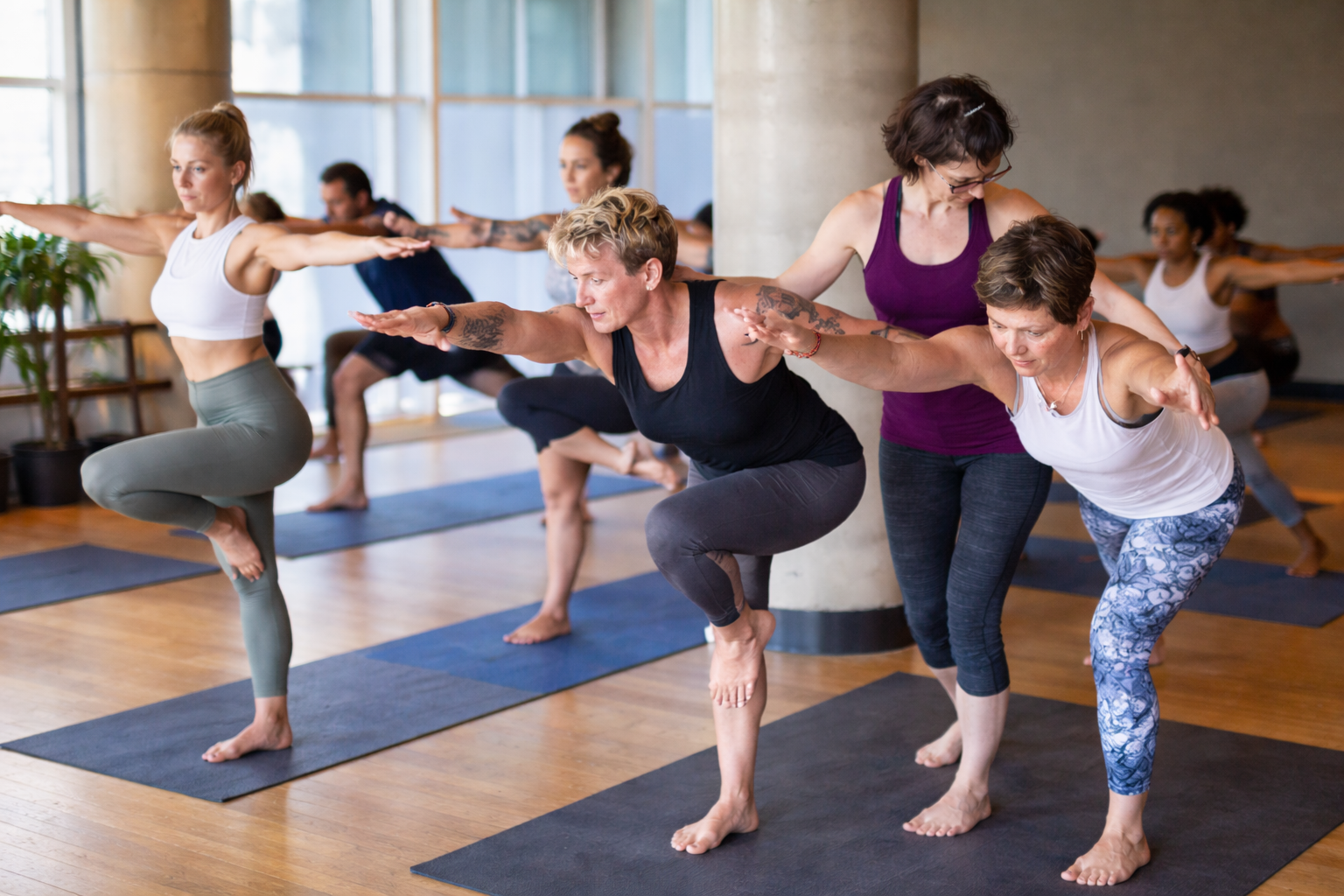
Understanding what happens during yoga teacher training helps explain why the timeline matters. In the early phase of the program, you focus on foundational elements such as basic postures, alignment principles, breathwork, and an introduction to anatomy. You will also begin exploring yoga philosophy, often including classical texts like the Yoga Sutras of Patanjali. As the program progresses, you move into more practical skills, including sequencing classes, learning how to give clear verbal cues, and practicing teaching in small groups. This middle phase is where most students begin to feel more confident, although it can still feel challenging. In the final phase, you will typically teach full classes and receive feedback from instructors and peers. This progression takes time to develop properly, which is why shorter programs can feel intense. The learning is not just intellectual. It is physical, verbal, and experiential, and each layer builds on the previous one.
 Speed vs Depth: Choosing the Right Pace
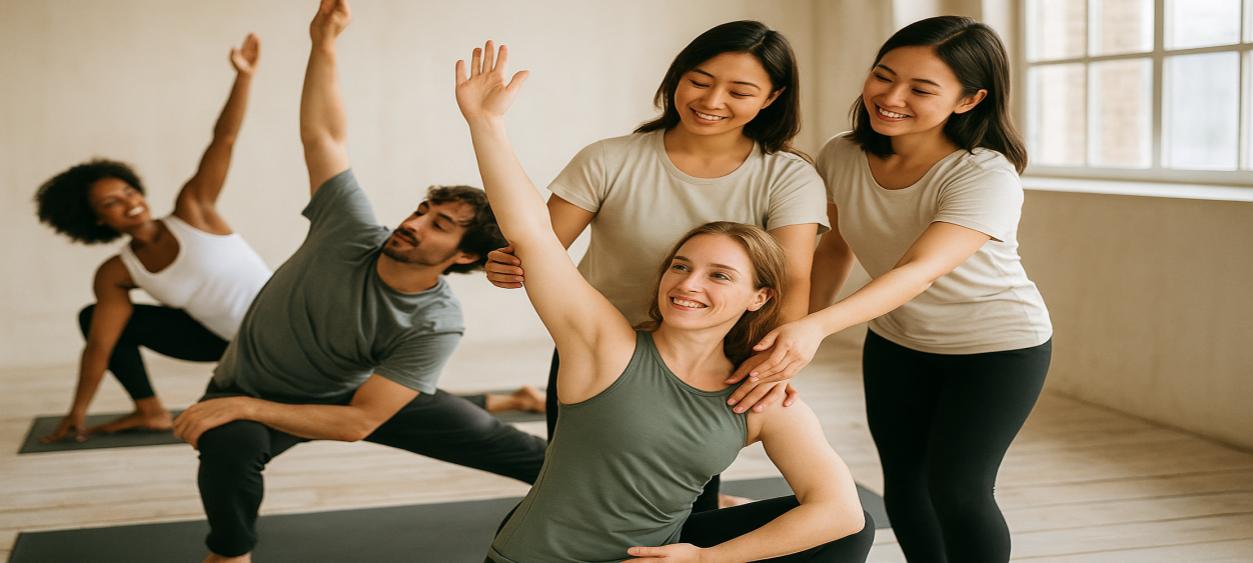
One of the most important decisions you will make is whether to complete your training quickly or take more time to integrate what you learn. Intensive programs offer speed and immersion. You are fully focused on yoga every day, which can create a powerful and transformative experience. However, the pace can also lead to information overload, and some students find it difficult to retain everything. Slower programs, on the other hand, allow for gradual integration. You have time to practice between sessions, reflect on what you learn, and build confidence at a steady pace. This often leads to stronger long-term retention and teaching ability. The trade-off is that it takes longer to complete the certification. There is no universally correct choice. The best option depends on your learning style, your schedule, and how quickly you want to start teaching. In most cases, students who want a balanced and sustainable experience choose part-time programs.
The Hidden Time Commitment Most People Miss
A common mistake is assuming that a 200-hour program only requires 200 hours of effort. In reality, the total time commitment is higher. You will likely spend additional time practicing yoga outside of class, reviewing anatomy concepts, reading assigned materials, and preparing for practice teaching sessions. Many students also spend time rehearsing their sequences and teaching friends or family members to build confidence. When you add this extra work, the total time investment often reaches 250 to 300 hours. This is especially true in programs that emphasize teaching skill rather than just attendance. Understanding this upfront helps set realistic expectations and prevents frustration later. The training is not just about showing up. It requires active engagement, repetition, and personal effort if you want to leave the program feeling capable of teaching.
Vancouver’s Yoga Culture and Its Impact on Training Timelines
Vancouver has a strong yoga culture, and this influences how training programs are designed. Many people in the city lead active lifestyles and balance multiple commitments, so schools often structure their programs to accommodate flexibility. This is one reason part-time formats are so common. At the same time, the market is competitive, which leads to a wide variety of program options. Some schools emphasize fast-track certifications to attract students who want quick results, while others focus on depth and community experience. Vancouver’s environment also encourages learning beyond the studio. Many programs integrate outdoor practice, community involvement, and lifestyle elements that extend the learning experience outside scheduled hours. This can make the training feel longer in a practical sense, even if the official timeline remains the same. The city’s culture supports both intensive and extended formats, giving students a range of choices depending on their priorities.
 Certification vs Real Teaching Ability
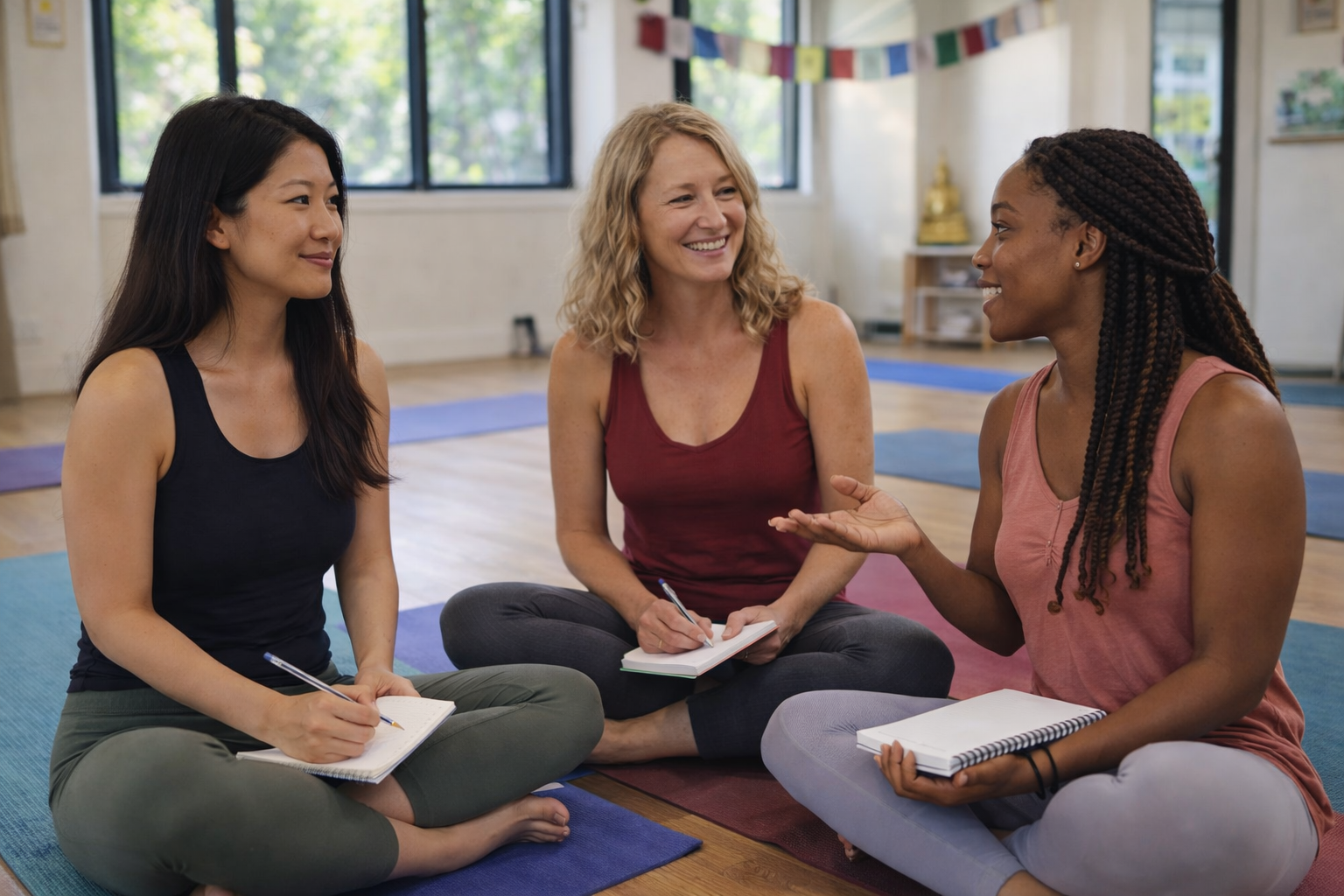
Completing a yoga teacher training program gives you certification, but it does not automatically make you a confident or experienced teacher. This is an important distinction that is often overlooked. Certification means you have completed the required hours and met the program’s basic standards. Teaching ability develops through continued practice, real-world experience, and ongoing learning. Some organizations focus primarily on tracking hours, while others emphasize skill development and assessment. Research in yoga education, including studies found through evidence-based yoga training research, highlights the importance of practical application and repetition in developing teaching competence. This means that the timeline of your training is only part of the picture. A longer program may give you more time to practice and refine your skills, while a shorter program may require you to continue developing those skills after you graduate. Either way, your growth as a teacher continues well beyond the initial certification.
Can You Finish Yoga Teacher Training Faster?
It is possible to complete yoga teacher training quickly, but there are realistic limits. Most legitimate 200-hour programs require at least three to four weeks if done in an intensive format. Anything significantly shorter than that should be approached with caution, as it may not provide enough time for proper instruction and practice. Completing a program faster also requires full commitment. You need to attend all sessions, stay engaged, and keep up with the pace of the material. Missing classes or falling behind can quickly extend your timeline, even in an intensive program. While speed can be appealing, it should not come at the expense of quality. The goal is not just to finish the program but to feel prepared to teach. For most people, this means choosing a timeline that allows for both learning and integration rather than rushing through the process.
What Happens After You Complete Your Training
Finishing your yoga teacher training is not the end of the process. It is the beginning of your development as a teacher. Most graduates start by teaching small classes, often to friends, family, or community groups. This helps build confidence and refine teaching skills in a low-pressure environment. Many also continue their education through workshops, advanced training programs, or specialized courses. Some choose to register with organizations such as Yoga Alliance International although registration is not always required to teach. The timeline for becoming a confident teacher extends beyond the initial training and depends on how much you practice and teach after graduation. Understanding this helps set realistic expectations and reinforces the idea that yoga teacher training is a foundation rather than a final destination.
Conclusion: How Long Does It Take to Complete Yoga Teacher Training in Vancouver?
So, how long does it take to complete yoga teacher training in Vancouver? The answer depends on the format you choose, but the general timelines are clear. Intensive programs typically take three to four weeks, part-time programs take two to four months, and extended or hybrid programs can take three to six months or longer. All of these options deliver the same 200-hour certification, but they offer very different experiences. The key takeaway is that the timeline is shaped by structure, not just hours. Choosing the right format matters more than choosing the fastest one. If you select a program that fits your schedule and learning style, you will get far more value from the training and feel more prepared to teach when you finish.