
 Mudras: The Complete Guide to Meaning, Science, and Practice in Modern Yoga
Mudras are subtle hand positions used in yoga, meditation, and breathwork to influence attention, sensation, and nervous system tone.
This guide explains what mudras are, how they work, where they come from, and how to use them safely today.
You will learn traditional context, modern interpretations, and practical application without myths or exaggeration.
This article reflects current yoga education standards and modern evidence-informed teaching practices.
What Are Mudras and Why They Matter in Yoga Practice
Mudras are intentional hand gestures traditionally used in yoga, meditation, and spiritual disciplines.
The word mudra comes from Sanskrit and loosely means seal, gesture, or mark.
In yoga traditions, mudras are believed to influence energy flow, attention, and internal awareness.
In modern practice, mudras function as somatic anchors that support focus and nervous system regulation.
Each mudra involves specific finger placements, palm orientations, and muscle tone.
These small physical changes create clear sensory input to the brain.
That input helps stabilize attention during meditation or breath practices.
Mudras often accompany pranayama, mantra, or seated meditation.
Historically, mudras appear in classical yoga texts, Buddhist practices, and Hindu iconography.
They are shown in statues, paintings, and ritual practices across South Asia.
Different traditions describe mudras using symbolic, energetic, or devotional language.
Modern teachers often explain mudras using neurological and psychological models.
Finger positioning increases proprioceptive feedback through the hands.
This feedback enhances body awareness and cognitive presence.
Mudras do not require belief to be effective.
They rely on consistent physical sensation and attention.
Like posture or breath, they work through repetition and awareness.
Mudras matter because they offer accessible, low-risk tools for grounding and concentration.
They require no equipment and minimal physical effort.
They can support meditation, stress reduction, and mindfulness practices.
When taught responsibly, mudras complement modern yoga education.
They enhance practice without replacing movement, breath, or self-inquiry.
The Historical Origins and Traditional Context of Mudras
Mudras originate from ancient Indian spiritual and philosophical systems.
They appear in early Hindu, Buddhist, and Jain traditions.
Textual references date back over two thousand years.
In classical yoga, mudras are mentioned in texts like the Hatha Yoga Pradipika.
These texts describe mudras as techniques for directing prana.
Prana refers to life force or vital energy in yogic philosophy.
In Buddhist traditions, mudras represent states of consciousness and teaching moments.
Statues of the Buddha display specific mudras with symbolic meaning.
Each gesture communicates protection, teaching, fearlessness, or meditation.
Tantric practices expanded the use of mudras beyond the hands.
Some mudras involve the entire body or internal muscular actions.
These are advanced practices requiring experienced guidance.
Traditional explanations often use symbolic language.
Fingers may represent elements like earth, water, fire, air, and space.
Touching fingers symbolically balances those elements.
It is important to understand cultural context without exaggeration.
Ancient practitioners used symbolic frameworks common to their time.
These frameworks reflected cosmology, ritual, and spiritual worldview.
Modern yoga education recognizes these origins while updating explanations.
Responsible teachers avoid literal claims about energy manipulation.
They focus on experiential effects like focus, calm, and awareness.
Mudras should be taught with respect for their roots.
They should not be stripped of context or marketed as instant cures.
Understanding history helps practitioners approach mudras thoughtfully.
It supports cultural respect and informed teaching practices.
How Mudras Work: A Modern Scientific and Neurological Perspective
Modern explanations of mudras focus on neurosensory input and attention regulation.
The hands contain dense networks of sensory and motor neurons.
Small movements create strong feedback to the brain.
When fingers touch or press lightly, sensory receptors activate.
This activation increases somatosensory awareness.
The brain responds by sharpening focus and reducing mental noise.
Mudras also reduce unnecessary movement.
This stillness supports meditative states.
The body becomes quieter and easier to observe.
Attention follows sensation.
A stable hand position anchors attention naturally.
This reduces distraction without force.
Mudras may influence autonomic nervous system balance.
Calm hand positions support parasympathetic activation.
This can lower perceived stress and improve emotional regulation.
Breath and mudra often work together.
Slow breathing plus a consistent hand position reinforces calm signaling.
This pairing supports mindfulness practices.
There is no credible evidence that mudras move invisible energy channels.
However, there is strong evidence for mind-body feedback loops.
Physical posture affects emotional and cognitive states.
Mudras work through embodied cognition.
The body informs the mind through sensation and position.
This explanation aligns with current neuroscience and psychology.
It avoids unsupported claims while preserving practical value.
Mudras are tools for attention, not magical techniques.
Their effectiveness depends on consistency and awareness.
Common Mudras Used in Yoga and Meditation Practice
Several mudras are widely taught in modern yoga settings.
Each serves a different functional purpose.
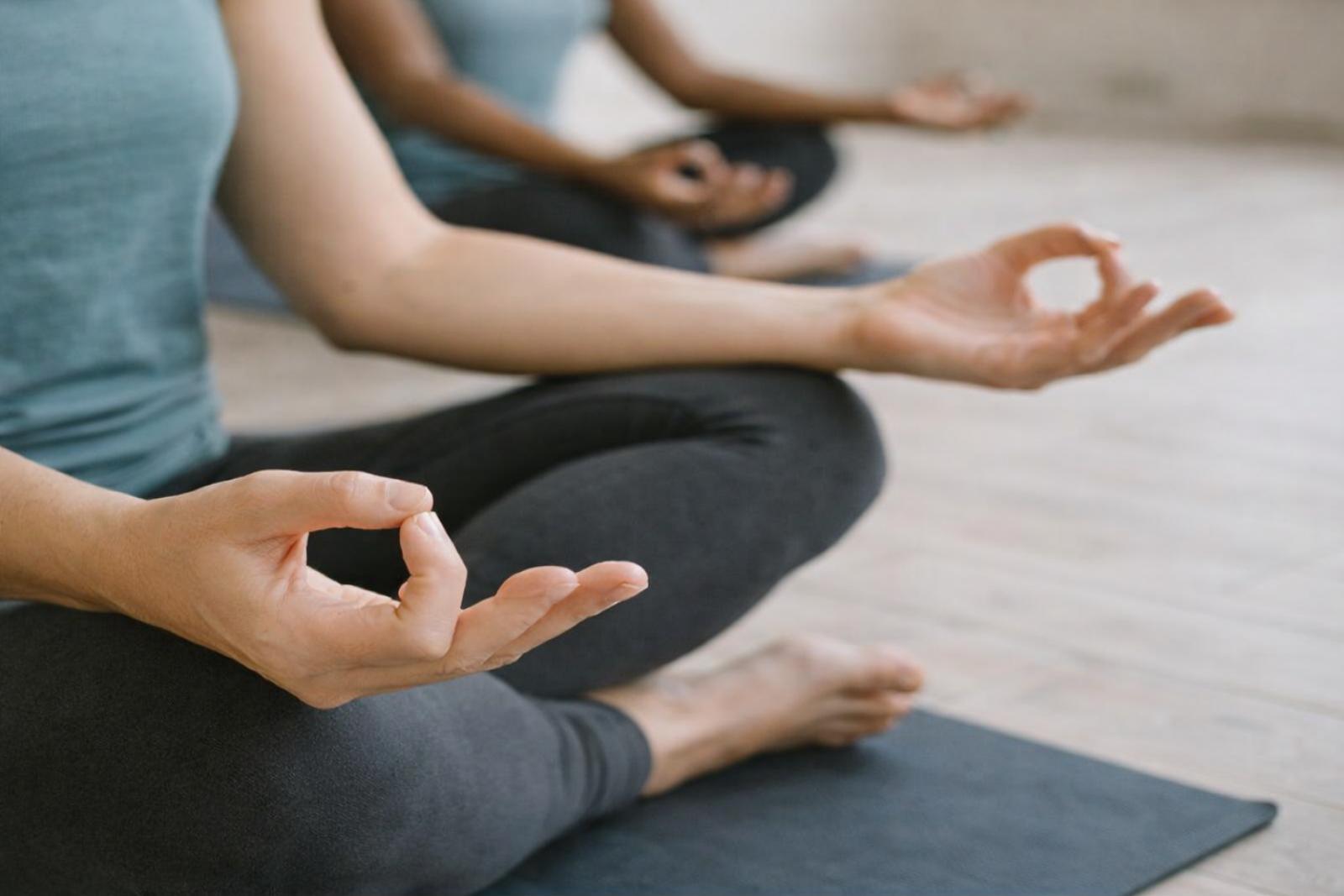
Gyan Mudra involves touching the index finger to the thumb.
It is commonly used during seated meditation.
This mudra supports focus and mental clarity.
Chin Mudra places palms upward with thumb and index finger touching.
It is often used in pranayama practices.
This position encourages openness and relaxed awareness.
Anjali Mudra brings palms together at the heart.
It is frequently used at the beginning or end of practice.
This mudra symbolizes intention and presence.
Prana Mudra involves thumb, ring finger, and little finger touching.
It is used during breathing or restorative practices.
This mudra supports grounding and body awareness.
Dhyana Mudra rests hands in the lap with palms upward.
One hand rests gently inside the other.
This mudra supports deep meditation and stillness.
Each mudra should feel comfortable and relaxed.
There should be no strain or force.
Discomfort reduces effectiveness.
Mudras are optional tools.
They are not required for effective practice.
Their value comes from mindful use.
Teachers should introduce mudras clearly and simply.
Students benefit from brief explanations rather than long symbolism.
How to Practice Mudras Safely and Effectively
Mudras are generally safe for most people.
However, they should be practiced with awareness and moderation.
Hands should remain relaxed at all times.
Excessive pressure creates tension.
Tension undermines meditative benefits.
Mudras work best when paired with slow breathing.
Rapid breathing reduces their calming effect.
Practice mudras during seated meditation, pranayama, or rest.
They are less effective during dynamic movement.
Start with short durations.
Five to ten minutes is sufficient for beginners.
Long sessions can come later.
Mudras should never cause numbness or pain.
If discomfort appears, release the gesture.
Teachers should avoid medical or therapeutic claims.
Mudras do not replace healthcare or psychological treatment.
Use inclusive language when teaching mudras.
Avoid spiritual pressure or belief-based expectations.
Mudras support awareness.
They do not fix problems instantly.
Consistency matters more than intensity.
Regular gentle practice produces better results.
Mudras in Modern Yoga Teaching and Education
Modern yoga education emphasizes safety, clarity, and inclusivity.
Mudras fit well when taught responsibly.
Teacher training programs often include mudras as optional techniques.
They are presented alongside anatomy, breathwork, and mindfulness.
Responsible programs avoid exaggerated energy claims.
They focus on experiential learning.
Mudras can support diverse students.
They require minimal mobility and strength.
Teachers should explain purpose clearly.
Students should know why a mudra is used.
Mudras should never be mandatory.
Choice supports autonomy and comfort.
Clear cues help students integrate mudras naturally.
Simple language works best.
Modern teaching prioritizes helpful content and real experience.
This aligns with current Google quality guidelines.
Mudras remain relevant because they are practical and accessible.
They adapt well to modern contexts.
Common Myths and Misunderstandings About Mudras
Mudras are often misunderstood.
Clear education prevents misinformation.
Mudras do not cure diseases.
They are not medical treatments.
They do not manipulate invisible forces.
They influence attention and perception.
Mudras do not require spiritual belief.
They work through physical sensation.
Long explanations are unnecessary.
Simple guidance works better.
Mudras are not superior to other practices.
They complement existing tools.
Avoid dramatic promises.
Real benefits are subtle and cumulative.
Understanding limitations increases credibility.
Conclusion: Mudras as Practical Tools for Modern Yoga Practice
Mudras remain valuable because they are simple, accessible, and adaptable.
They support focus, calm, and embodied awareness.
When taught responsibly, mudras align with modern yoga education standards.
They respect tradition without exaggeration.
Mudras work through sensation, attention, and consistency.
They are tools, not solutions.
Used wisely, mudras enrich meditation and mindfulness practices.
They remind us that small gestures can support meaningful presence.