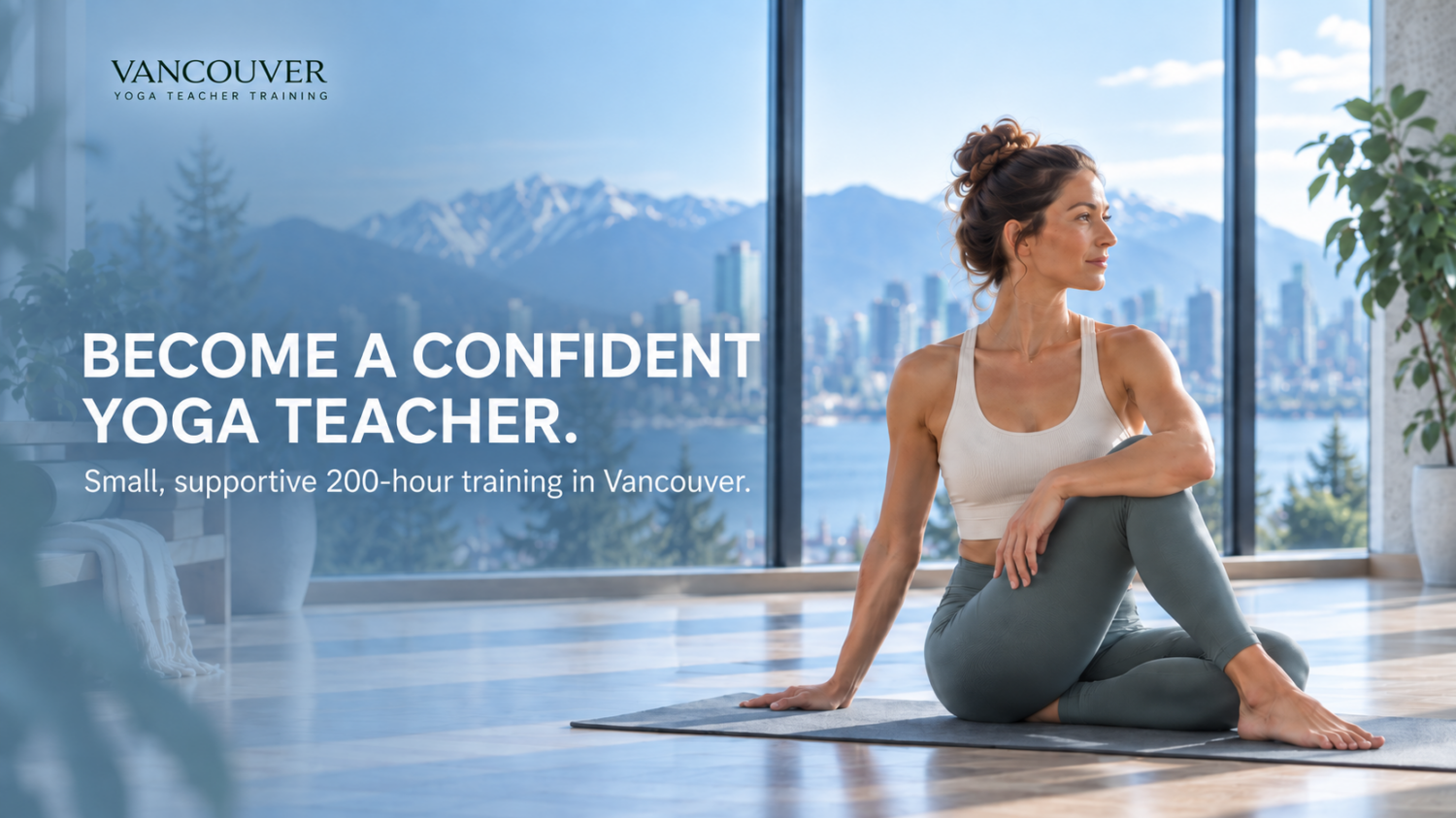
 The History of Vancouver School of Healing Arts
The Vancouver School of Healing Arts (VSOHA) has become a cornerstone of wellness education in Vancouver. Its story is not just about training programmes but about creating a professional pathway for healing, bodywork and yoga therapy. From modest beginnings to a broad suite of offerings, the school helped shape how wellness professionals are educated in the city. In this blog we’ll unpack how VSOHA started, how it grew, influenced the local wellness environment and now stands as a modern institution. We’ll keep it active, clear and structured to match today’s content standards. No hyperlinks, just plain narrative.
Founding Vision and Early Development
VSOHA was built on the belief that holistic health education matters. The school’s aim was to empower students to explore healing arts through rigorous training and community support. It situated itself in downtown Vancouver, offering a dedicated space of over 8,500 square feet solely for teaching the healing arts. The location and scale showed a commitment beyond casual courses.
From early on the curriculum combined traditional wisdom with modern body-science. Programs covered anatomy, therapeutic modalities, yoga teacher training and bodywork therapy. Students learned both theory and applied skills to prepare for real practice environments. The blend of Eastern and Western modalities became a hallmark of the school’s identity.
VSOHA also embraced online and blended learning early—supporting theoretical components via digital platforms while reserving in-person time for hands-on practice. That adaptability allowed the school to serve working adults, career changers and international students. The founding vision targeted both personal transformation and professional credentialing. It built around the idea: you can grow personally while preparing to help others professionally.
The school positioned itself not as a studio but as a full college of wellness training. That distinction meant deeper programmes, longer durations, recognized certification and regulatory oversight. The Private Training Institutions Branch approval gave students protection and signaling of quality. The early development phase established what the Vancouver wellness education field needed: professional standards, accountability and clarity of career path.
Growth, Program Diversification and Community Integration
As the school matured, programmes diversified and deepened. VSOHA introduced bodywork therapy programs targeting spa-industry readiness and therapeutic practice. Students studied human sciences, manual skills, clinic practice and modalities across Eastern and Western traditions. This expansion met a growing demand in Vancouver for trained wellness practitioners.
Simultaneously the school expanded its yoga teacher training and yoga therapy pathways. These programmes offered multi-tier certification (200-hour, 240-hour, 500-hour) and included online, in-person and blended formats. Students learned alignment-based Hatha, Vinyasa, Yin, restorative, and therapeutic yoga adjusted for diverse populations. The school’s approach prepared teachers for in-studio, one-on-one and online teaching. The adaptability reflected modern professional requirements in wellness education.
Community integration was also key. VSOHA built student clinics, where trainees provided bodywork under supervision to real clients. These clinics anchored the school in the city’s wellness ecosystem. They offered accessible treatments to the community and hands-on opportunities to students. The physical location in downtown Vancouver made it part of urban life and wellness culture.
Further, the school embraced inclusivity and modern sensitivities. It welcomed students of diverse backgrounds, committed to safe and inclusive learning environments, and adapted its programs to meet changing industry demands. The growth phase solidified VSOHA’s reputation as a leading institution, not just locally but regionally. Through focused programmes, community-oriented clinics and professional standards the school became deeply woven into Vancouver’s wellness fabric.
Impact on Vancouver’s Wellness Education and Practitioner Landscape
The presence of VSOHA raised the bar for wellness education in Vancouver. With serious programmes and certification pathways, the school helped elevate bodywork, yoga therapy and manual healing professions from hobby to credible career. That shift influenced other institutions, studios and clinics in how they recruited, trained and valued practitioners.
Because VSOHA prepared students to enter online and in-person teaching, the local wellness industry benefited from a pipeline of trained professionals. Yoga studios, therapeutic clinics and spas found practitioners who had worked through rigorous education, understood anatomy, alignment and professional ethics. That improved overall standards for service, instruction and treatment across Vancouver.
The student-clinic model deepened the public’s access to bodywork and therapy while giving students live training. The community experience of wellness shifted from isolated studio visits to integrated professional services. VSOHA’s approach helped normalize moving into wellness careers at any age or background. It expanded the idea that one could change career, train in their twenties or forties, and become a practitioner with purpose.
Moreover, VSOHA’s multi-modal programs enabled cross-specialization: bodywork plus yoga therapy, manual therapy plus online teaching skills. Graduates carried that breadth into practice, which enriched Vancouver’s wellness marketplace with professionals who bridge disciplines. That enriched the ecosystem and created higher expectations for both service and training.
In sum, VSOHA’s impact is visible in the number of trained practitioners in the region, the sophistication of programs offered, the accessibility of wellness services to the public, and the professionalism of the local field. Vancouver’s wellness education and delivery system grew stronger because of institutions like this.
Adapting to Modern Trends and The Next Phase
VSOHA didn’t rest on its reputation. It adapted to shifts in technology, learning preferences, wellness demand and professional practice. The school expanded online and hybrid delivery to meet learners who needed flexible schedules. This allowed working professionals to train evenings or weekends, blending theory online and practice in-person. That flexibility is essential in today’s education environment.
The bodywork and therapy programs also responded to evolving industry needs: spa readiness, therapeutic specialisations, clinic management, online teaching of yoga and wellness. Graduates come out ready to work in spas, run private practices, teach online, or operate clinics. The school embedded business skills and professional readiness alongside technical and manual skills.
VSOHA also kept up with wellness trends: nervous-system regulation, trauma-informed bodywork, yoga therapy for mental health, integrative manual modalities. These align with broader societal needs and wellness demand. By doing so the school stays relevant and future-oriented.
Operationally the location in downtown Vancouver remains strategic. It serves local students and global learners, bridging city living with wellness training. The school’s community and ecological context support its mission. Looking ahead, VSOHA will continue expanding access, refining curriculum and integrating new modalities as the wellness industry evolves.
What Vancouver School of Healing Arts Represents Today
Today VSOHA stands as a model of wellness education in Vancouver. It represents quality, professional readiness and holistic approach. It shows how a training institution can serve individuals, industry and community at once.
For students it means structured career pathways, flexible learning and real-world practice. For the wellness industry it signals a source of skilled practitioners and rising standards. For the public it means access to clinics and services delivered by trained professionals.
VSOHA’s identity is rooted in compassion, connection and professional excellence. It is about transforming passion into practice, not just classes into certificates. It aligns with contemporary wellness expectations and educational integrity.
The school’s presence influences how people think about healing arts careers in Vancouver — not as casual credentials but as serious, skilled professions. That shift matters in building sustainable practices, ethical standards and personal satisfaction.
In short, VSOHA embodies more than training—it embodies the integration of wellness education into city life, professional practice and personal transformation.
Conclusion
We’ve traced the journey of the Vancouver School of Healing Arts from its founding vision to growth, impact and adaptation. The school helped shape wellness education, professional practice and community service in Vancouver. It created pathways for practitioners, raised standards in the field and responded to modern demands. Today it stands as a strong institution rooted in purpose, quality and community. Its story is ongoing, evolving as wellness needs change and new practitioners enter the field. For anyone seeking a serious training option or curious about the evolution of wellness education in Vancouver, the Vancouver School of Healing Arts’ history is central and meaningful.