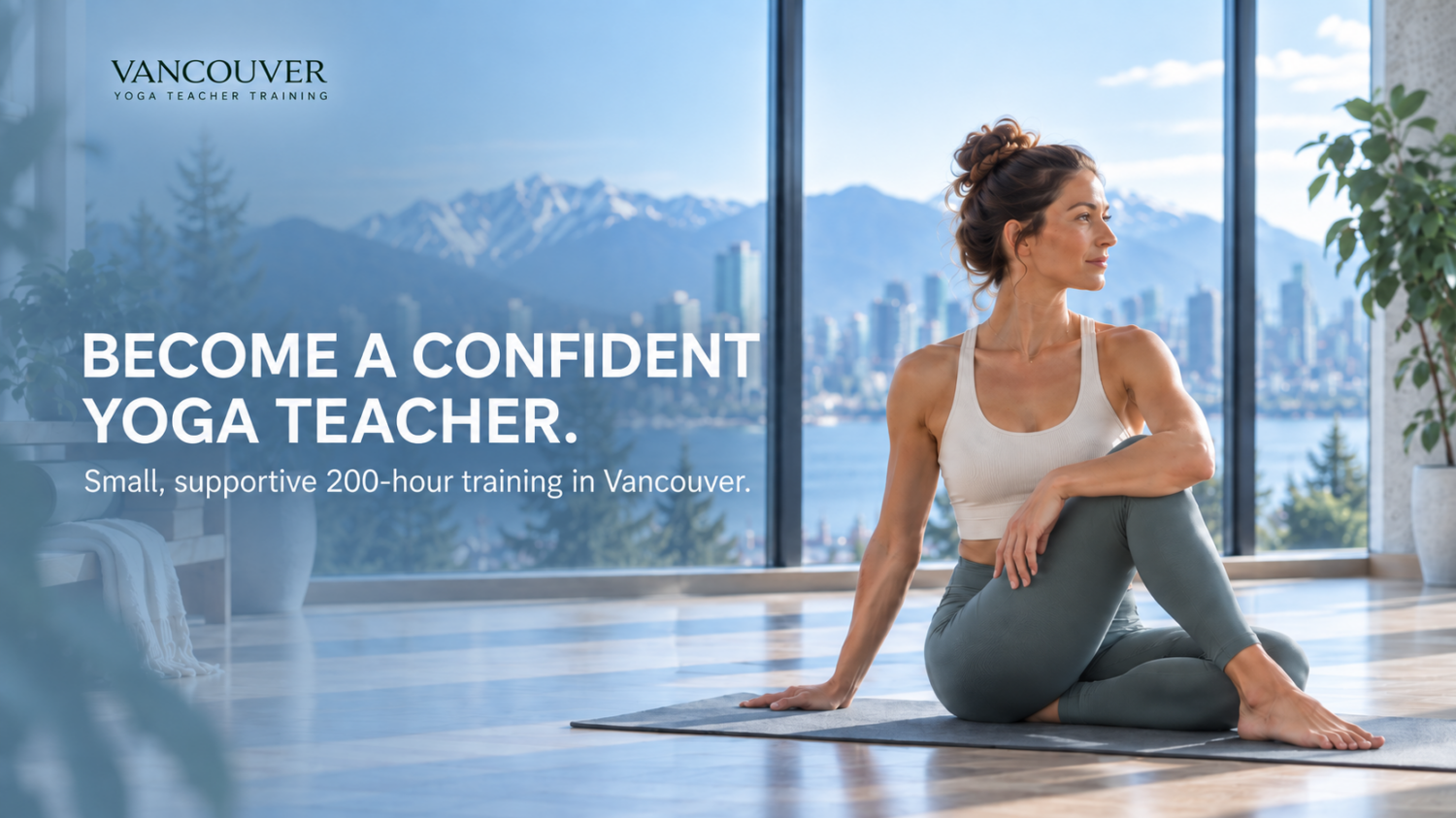
 Becoming a Yoga Teacher in Vancouver
Becoming a yoga teacher in Vancouver is more than a career move. It is a life transformation. Vancouver’s coastal setting, active culture, and focus on wellness make it one of the best cities in Canada for yoga teacher training. In this blog, we’ll explore why teaching yoga here is so rewarding, how to choose the right program, what credentials you’ll need, and how to thrive in the city’s growing yoga community.
Why Vancouver Is the Perfect City for Yoga Teacher Training
Vancouver’s yoga culture is unique. The city blends ocean air, mountain views, and an active, mindful community. People here value health, balance, and connection. Yoga is not a trend in Vancouver; it is a lifestyle. You can find classes in every neighborhood, from downtown studios to beach parks and community centers.
The diversity of teachers and students makes training in Vancouver special. You’ll meet people from around the world who share your passion for yoga. Many are pursuing yoga as a second career or as part of a broader wellness journey. This diversity creates a rich learning environment where everyone brings a different story and energy.
Vancouver also supports a sustainable approach to wellness. Many studios use eco-friendly materials, support local businesses, and promote mindful living. This aligns with yoga’s values of harmony and respect for the environment. Training here naturally integrates these values into your practice and teaching.
Weather and lifestyle also play a big role. The mild climate allows for year-round outdoor yoga. Imagine practicing sun salutations by the ocean or in Stanley Park. These experiences connect you more deeply with your body and nature.
Finally, Vancouver’s yoga community is inclusive. You’ll find programs for beginners, advanced practitioners, and even specialized streams such as trauma-informed yoga, prenatal yoga, or yoga for athletes. Whether you want to deepen your practice or start teaching, there’s a program that fits your path.
Choosing the Right Yoga Teacher Training Program
Selecting the right yoga teacher training program in Vancouver requires reflection and research. The first step is to decide what kind of yoga you want to teach. The most common foundation is Hatha or Vinyasa yoga. These styles teach alignment, breath, and flow — skills every teacher needs.
Most teacher training programs offer a 200-hour certification as the first level. This is the industry standard recognized by major registries such as Yoga Alliance International or other professional bodies. In this training, you’ll learn anatomy, philosophy, teaching techniques, and safe sequencing. You’ll also gain confidence guiding others through practice.
If you want to teach more advanced classes later, you can pursue a 300-hour or 500-hour training. These programs explore deeper philosophy, adjustments, and specialized populations. Many Vancouver schools offer modular paths so you can complete hours gradually while balancing work and life.
Consider the training format. You can choose intensive in-person, weekend modular, or online-hybrid programs. In-person programs offer community and direct feedback. Online or blended models allow flexibility if you have other commitments. Vancouver’s schools now combine both, following modern learning standards.
Research the instructors. Look for experienced lead teachers who practice what they teach. Read reviews, check their credentials, and attend one of their public classes if possible. The connection with your trainers matters as much as the curriculum.
Accreditation is key. Make sure your school is registered with a recognized yoga organization. This ensures your certificate meets professional standards for teaching anywhere in the world.
Lastly, think about the environment. Choose a studio that reflects your values. Some programs emphasize spiritual depth, others focus on anatomy or modern movement. The right fit will keep you inspired through the intensity of training.
What to Expect During Your Yoga Teacher Training
Yoga teacher training is a powerful and demanding journey. You’ll learn more about your body, mind, and habits than you ever expected. Most 200-hour courses run between six and twelve weeks full-time, or six months part-time.
The schedule includes physical practice, theory, and teaching labs. Mornings often begin with asana and meditation. Afternoons cover anatomy, philosophy, and teaching methods. Evenings may include journaling or group discussions. Every day challenges your endurance and focus.
Expect transformation on many levels. Physically, your strength and flexibility improve. Mentally, you’ll notice deeper self-awareness and patience. Emotionally, you’ll learn to hold space for others — a key skill for teachers.
You’ll study the eight limbs of yoga, explore breathing techniques like pranayama, and learn about energy systems such as the chakras. You’ll also dive into Sanskrit terminology and the roots of yoga philosophy from texts like the Yoga Sutras of Patanjali.
Assessment usually involves written assignments, practical teaching sessions, and a final practicum where you guide a class. It’s normal to feel nervous. Everyone does. But by the end, you’ll find your authentic teaching voice.
Time management is essential. Many students balance jobs or families while training. Plan your schedule and rest well. Nutrition, hydration, and self-care will keep you strong through long study days.
Finally, community is everything. You’ll bond deeply with your fellow trainees. These friendships often last for years and form your first professional network.
Certification and Registration: What You Need to Know
After completing your program, you’ll receive a certificate of completion. This document proves you have met the required training hours. To work professionally, many teachers choose to register with a recognized body such as Yoga Alliance International or other registries accepted in Canada.
Registration shows studios and clients that you meet global teaching standards. It also provides access to continuing education and networking. Most insurance providers also require registration to grant professional coverage.
To register, you submit your certificate, your training school’s details, and pay a small annual fee. Once approved, you can use designations such as RYT-200 (Registered Yoga Teacher 200 hours).
It’s important to renew your registration annually and complete continuing education. Yoga evolves constantly, and new research in anatomy, psychology, and movement keeps improving the practice. Staying updated demonstrates professionalism and care.
You may also need liability insurance if you plan to teach in studios, corporate settings, or online. Many Vancouver-based providers specialize in yoga instructor insurance and make it simple to apply.
Another step is obtaining first aid certification. Some employers require it. It’s also a responsible choice for anyone guiding physical movement.
With your credentials in place, you can start teaching at local studios, gyms, or wellness centers. Many new teachers begin by offering community classes or volunteering to gain experience. Vancouver’s yoga community supports new graduates, making it easier to build confidence.
Building a Career as a Yoga Teacher in Vancouver
Once certified, you’ll discover many ways to earn income and share your passion. Vancouver’s wellness industry is thriving. You can teach in studios, corporations, community centers, or online. Each path offers flexibility and room for creativity.
Start by defining your niche. Maybe you love dynamic Vinyasa flows, gentle restorative yoga, or specialized yoga for mental health. Your niche helps you attract the right students and build a loyal following.
Networking is vital. Attend local yoga events, workshops, and teacher meetups. Many opportunities come from word of mouth. Collaboration with fitness centers, physiotherapists, or holistic coaches can expand your reach.
Social media also matters. A professional Instagram or YouTube presence can showcase your teaching style and attract students. Focus on authenticity rather than perfection. Share your journey, tips, and class updates regularly.
Pricing your classes fairly is important. Research average rates in Vancouver. Most teachers earn between $40 and $100 per class, depending on experience and setting. Workshops and private sessions can bring higher income.
Balancing business and self-care is crucial. Teaching many classes a week can be physically demanding. Schedule rest days and keep your personal practice alive. Remember that a strong teacher comes from a grounded practitioner.
As your reputation grows, consider leading retreats, workshops, or advanced trainings. Vancouver’s proximity to beautiful destinations like Tofino and Whistler makes it ideal for yoga travel experiences.
Keep learning. Advanced anatomy, philosophy, or mindfulness courses will deepen your skills and open new teaching opportunities. The most respected teachers stay curious and humble, always evolving with the practice.
The Future of Yoga Teaching in Vancouver
The yoga scene in Vancouver continues to expand. Post-pandemic, hybrid learning and teaching models are stronger than ever. Students enjoy both in-person connection and online accessibility. As a teacher, this means you can reach global audiences from your Vancouver home base.
Sustainability and inclusivity are shaping the next generation of yoga. Studios now emphasize diversity, body positivity, and trauma-sensitive training. Vancouver’s community leads this shift by welcoming every background and ability.
Technology also influences yoga’s evolution. Teachers use apps, livestreams, and virtual platforms to connect with students. Video content, online mentorship, and subscription-based classes create stable income streams.
The demand for yoga in corporate wellness programs is rising. Companies invest in mental health and employee wellbeing. Yoga teachers who can deliver workplace classes will find growing opportunities.
In education, schools are adding mindfulness and movement programs. Certified teachers can collaborate with educators to introduce yoga to children and teens.
Vancouver’s reputation as a global wellness destination supports yoga tourism too. Many visitors seek short retreats or drop-in classes while exploring the city. Teachers who design accessible experiences benefit from this market.
As the industry grows, ethical teaching remains essential. Stay aligned with yoga’s core values — compassion, integrity, and self-discipline. These qualities attract trust and long-term students.
Conclusion: Becoming a Yoga Teacher in Vancouver
Becoming a yoga teacher in Vancouver is a rewarding path that blends personal growth, professional freedom, and community service. The city’s natural beauty and inclusive culture make it an inspiring place to train and teach. With the right program, certification, and mindset, you can build a meaningful career that uplifts both yourself and others.
If your heart calls you to teach, Vancouver offers every resource to support your journey. Step onto the mat, breathe deeply, and begin your path toward transformation — Becoming a Yoga Teacher in Vancouver.