

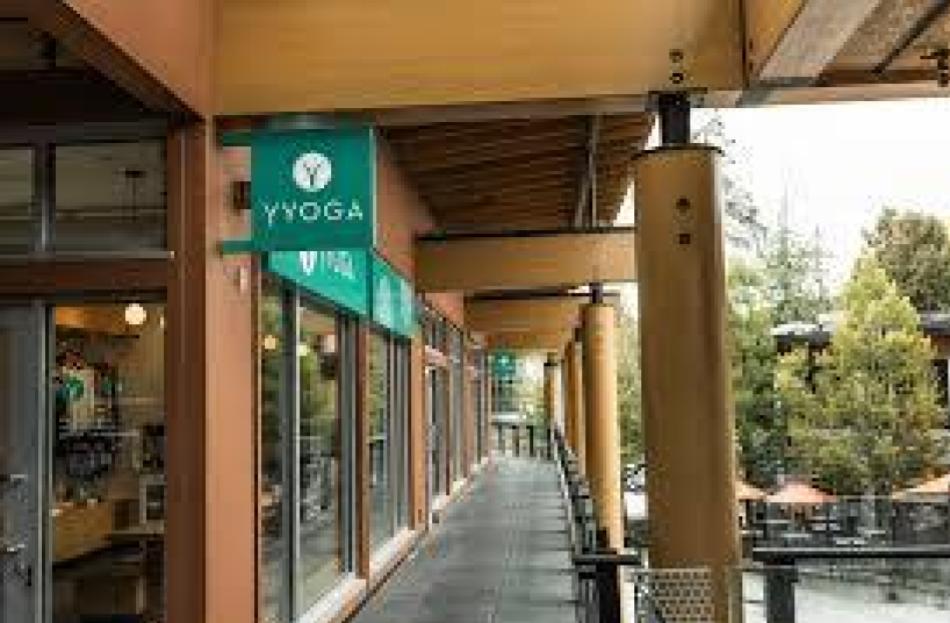
 The History of YYoga in Vancouver: Part 2
YYoga is one of the most important yoga businesses ever founded in Vancouver. Its trajectory closely mirrors the broader evolution of yoga as a commercial industry in the city. From its founding in the mid-2000s, through aggressive local expansion, national growth, and post-pandemic contraction, YYoga’s history documents how yoga moved from independent studios into large-scale business operations in Vancouver, and where that model ultimately met its limits.
The Founding of YYoga in Vancouver (2006)
YYoga was founded in 2006 in Vancouver, British Columbia, by Terry McKay and Lindsay McKay. The company was conceived during a period when yoga demand in Vancouver was rising rapidly, driven by increasing health awareness, disposable income, and the city’s strong alignment with wellness culture. At the time, Vancouver already had many yoga studios, but most were single-location, owner-operated spaces with limited branding and minimal standardization.
YYoga entered the market with a distinctly different approach. From the outset, it positioned itself as a premium yoga brand rather than a community hobby space. The founders invested in modern studio design, centralized branding, and a polished consumer experience. Funding was private, with capital coming from the founders and early investors rather than franchising or public markets. Vancouver served as both the operational base and the proving ground for the model.
Early Market Conditions in Vancouver Before YYoga
Prior to YYoga’s arrival, Vancouver’s yoga economy was fragmented. Studios operated independently and were often financially fragile. Many instructors taught part-time while holding other jobs. Yoga was popular, but it was not yet fully industrialized. Class pricing varied widely. Scheduling was inconsistent. There was little sense of city-wide scale or brand dominance.
This environment allowed YYoga to enter with relative speed. The market was receptive to professionalism and consistency. Consumers were ready for a more structured yoga experience, particularly in urban neighborhoods with high population density and rising commercial development. YYoga did not create yoga demand in Vancouver, but it capitalized on demand that already existed and organized it into a scalable business format.
Rapid Expansion Across Vancouver (2006–2010)
Between 2006 and 2010, YYoga expanded aggressively within the Vancouver metropolitan area. Multiple studios opened in quick succession, targeting high-traffic neighborhoods and commercial corridors. These locations were deliberately chosen to align with affluent, health-conscious demographics and dense residential zones.
During this phase, YYoga standardized nearly every aspect of the business. Studio layouts followed consistent design principles. Class schedules were centralized. Pricing models emphasized memberships rather than drop-ins. This allowed the company to forecast revenue more reliably than most independent studios could.
This expansion phase coincided with a broader boom in boutique fitness in Vancouver. Commercial landlords were increasingly willing to lease to wellness businesses, and consumers were willing to pay premium prices for structured experiences. YYoga became one of the most recognizable yoga brands in the city within just a few years of its founding.
Operational Scale and the Shift to a Corporate Model
As YYoga grew, its operational structure shifted from a founder-driven studio business to a corporate-style organization. Management layers were introduced. Hiring processes were centralized. Marketing and scheduling decisions were no longer made at the studio level.
For teachers, this represented a major shift. YYoga offered more teaching opportunities than most independent studios, but it also imposed standardized expectations around class delivery, branding, and availability. Teaching yoga increasingly resembled contract work within a larger organization rather than independent instruction.
For Vancouver’s yoga industry, this marked a turning point. YYoga demonstrated that yoga could be run as a multi-location business with centralized control. This redefined what success looked like for studios and influenced how new entrants structured their operations.
Expansion Beyond Vancouver and Peak Scale (2010–2018)
After establishing a strong footprint in Vancouver, YYoga expanded beyond the city into other parts of British Columbia and Canada. Vancouver remained the brand’s headquarters and cultural center, but the company’s ambitions were no longer local.
By the mid-2010s, YYoga had reached its peak scale. It operated multiple studios across Vancouver simultaneously and maintained a visible presence in other major cities. The brand became synonymous with modern, urban yoga in Vancouver.
However, this scale came with structural costs. Premium commercial leases, large staffing requirements, and centralized operations created high fixed expenses. The business model depended heavily on consistent in-person attendance and membership renewals. While revenue was substantial, margins were increasingly sensitive to market shifts.
Signs of Pressure Before the Pandemic (2018–2019)
By 2018 and 2019, pressure points were already emerging. Vancouver’s yoga market was saturated. Independent studios had adapted and specialized. Competition intensified. At the same time, online yoga platforms were gaining traction, offering lower-cost alternatives.
Commercial rent in Vancouver continued to rise, particularly in central neighborhoods where YYoga operated. Staffing costs increased. Consumer expectations shifted toward flexibility rather than long-term memberships.
While YYoga remained operationally strong, its growth slowed. The rapid expansion phase had ended. The business was stable but exposed to external shocks due to its reliance on physical locations.
COVID-19 and the Forced Contraction (2020–2022)
The COVID-19 pandemic represented the most significant disruption in YYoga’s history. In 2020, public health restrictions forced the closure of in-person studios across Vancouver. Revenue dropped immediately, while lease obligations and other fixed costs remained.
YYoga responded by closing several locations permanently and reducing its overall physical footprint. The company shifted resources toward online offerings, but digital classes could not fully replace in-studio revenue. Vancouver’s extended lockdowns and cautious reopening timelines compounded the challenge.
This period resulted in a substantial contraction compared to the company’s pre-pandemic scale. The multi-location model that had driven growth now amplified risk.
Post-Pandemic Reality in Vancouver (2022–Present)
After restrictions lifted, YYoga did not return to its previous footprint in Vancouver. Consumer behavior had changed. Many practitioners preferred smaller studios or flexible schedules. Online options remained part of the landscape.
YYoga continued operating, but with fewer locations and a more conservative strategy. The emphasis shifted from expansion to sustainability. The era of rapid, large-scale yoga studio growth in Vancouver had effectively ended.
This contraction was not unique to YYoga, but YYoga’s size made it a clear case study of how market conditions had changed.
Why YYoga’s History Matters in Vancouver
YYoga’s history matters because it documents the full arc of yoga commercialization in Vancouver. It shows how yoga transitioned from fragmented studios to centralized business models, how scale was achieved, and where it became vulnerable.
The company’s rise and contraction illustrate the limits of multi-location yoga in a city with high rents, strong independent culture, and shifting consumer preferences. YYoga did not fail, but it adapted to a smaller, more realistic role within the market.
Conclusion: The History of YYoga in Vancouver
YYoga was founded in Vancouver in 2006, expanded rapidly during the city’s yoga boom, reached peak scale in the 2010s, and contracted significantly following COVID-19. Its history tracks the evolution of yoga as a business in Vancouver more clearly than any other single brand. Understanding YYoga’s past provides a factual lens on how yoga became a commercial industry in Vancouver — and why that industry now favors sustainability over scale.