
 Vancouver’s First Yoga Teacher Training Program
Vancouver’s first yoga teacher training program helped shape the modern yoga landscape in British Columbia. Long before yoga studios filled Main Street and Kitsilano, a small group of committed teachers began formal training programs in the city. These early programs laid the groundwork for the professional standards, certification pathways, and studio culture that exist today.
This article explores how yoga teacher training began in Vancouver, who influenced its development, and how early programs evolved into today’s structured 200-hour certifications. It also explains why understanding that origin still matters for students choosing in-person training now.
The story is not about marketing claims. It is about how yoga education matured in a growing West Coast city. The development of teacher training in Vancouver reflects broader changes in North American yoga culture. It also highlights why in-person learning became the dominant format for serious practitioners.
Understanding this history helps students make informed decisions. It clarifies how standards formed. It shows why certain training models continue to thrive.
The Early Days of Yoga in Vancouver
Yoga arrived in Vancouver during the mid-20th century. Early interest came through teachers influenced by Indian lineages and Western adopters of Hatha yoga. In the 1960s and 1970s, yoga classes appeared in community centers and small rented halls. Instruction focused on personal practice rather than teacher certification.
During this period, Vancouver’s wellness culture began expanding. The city’s openness to alternative health practices created fertile ground for yoga. However, formal teacher training did not yet exist in the structured way we understand it today. Most teachers learned through apprenticeship. They studied directly under a senior instructor.
The turning point came in the late 1970s and 1980s. More dedicated yoga studios opened in neighborhoods like Kitsilano. As student numbers grew, demand for qualified instructors increased. Studios needed teachers who understood anatomy, sequencing, and philosophy in a deeper way. Informal mentorship could no longer meet that demand.
This shift mirrored a larger North American trend. Yoga was moving from niche practice to mainstream wellness activity. Vancouver’s first structured teacher training programs emerged from this moment. They aimed to create consistency. They introduced organized curricula. They required supervised teaching practice.
These early efforts laid the foundation for modern 200-hour certification programs. They also reinforced the importance of in-person mentorship, which remains central to yoga education today.
The Emergence of Structured Teacher Training in Vancouver
By the 1980s and early 1990s, Vancouver saw its first formalized teacher training programs. These programs were not yet standardized under global registries. They developed independently within studios. Each reflected the lineage and philosophy of its lead teacher.
Early training formats often followed immersive models. Students attended intensive weekends or month-long blocks. Programs emphasized physical practice, philosophy study, and supervised teaching. The structure was demanding. Participants committed significant time and energy.
The establishment of Yoga Alliance in 1999 later influenced training structures across North America. Vancouver programs adapted to align with the emerging 200-hour framework. This alignment helped create consistency. It also made certification portable across regions.
Despite growing standardization, Vancouver retained distinct characteristics. The city’s training programs often blended classical Hatha roots with evolving contemporary styles. Teachers incorporated alignment-based methods, breathwork, and modern anatomy research.
The key development was professionalization. Teacher training shifted from informal apprenticeship to formal curriculum. Studios invested in structured manuals and assessment processes. Trainees completed teaching practicums. Evaluation became part of certification.
This move toward structured training increased credibility. It also improved student outcomes. Graduates left programs with real teaching experience rather than theoretical knowledge alone. That focus on supervised practice remains a defining feature of strong in-person programs today.
Influences That Shaped Vancouver’s First Programs
Vancouver’s first yoga teacher training programs did not emerge in isolation. They reflected global influences and local culture. Teachers who studied in India brought classical teachings back to Canada. Others trained in the United States under established schools before returning west.
Iyengar yoga influenced alignment precision. Ashtanga traditions introduced disciplined sequencing. Hatha yoga remained foundational. Vancouver teachers blended these influences to suit local students.
The city’s coastal culture also shaped programming. Vancouver’s outdoor lifestyle encouraged physical practice. Students valued strength, mobility, and stress reduction. Programs emphasized practical teaching skills that addressed modern needs.
Academic influence also played a role. Vancouver’s proximity to research institutions encouraged anatomy-based instruction. Early programs integrated musculoskeletal education more deeply than some counterparts elsewhere. This approach improved safety and professionalism.
Cultural openness supported experimentation. Vancouver studios often embraced evolving styles. They balanced tradition with innovation. This flexibility helped teacher training programs adapt quickly as yoga expanded in popularity during the early 2000s.
The combination of lineage respect, scientific awareness, and community focus defined Vancouver’s training culture. That blend continues to distinguish in-person programs in the region today.
Why In-Person Training Became the Standard
When Vancouver’s first teacher training programs formed, online education did not exist. All learning occurred face-to-face. That format shaped expectations around mentorship, feedback, and community.
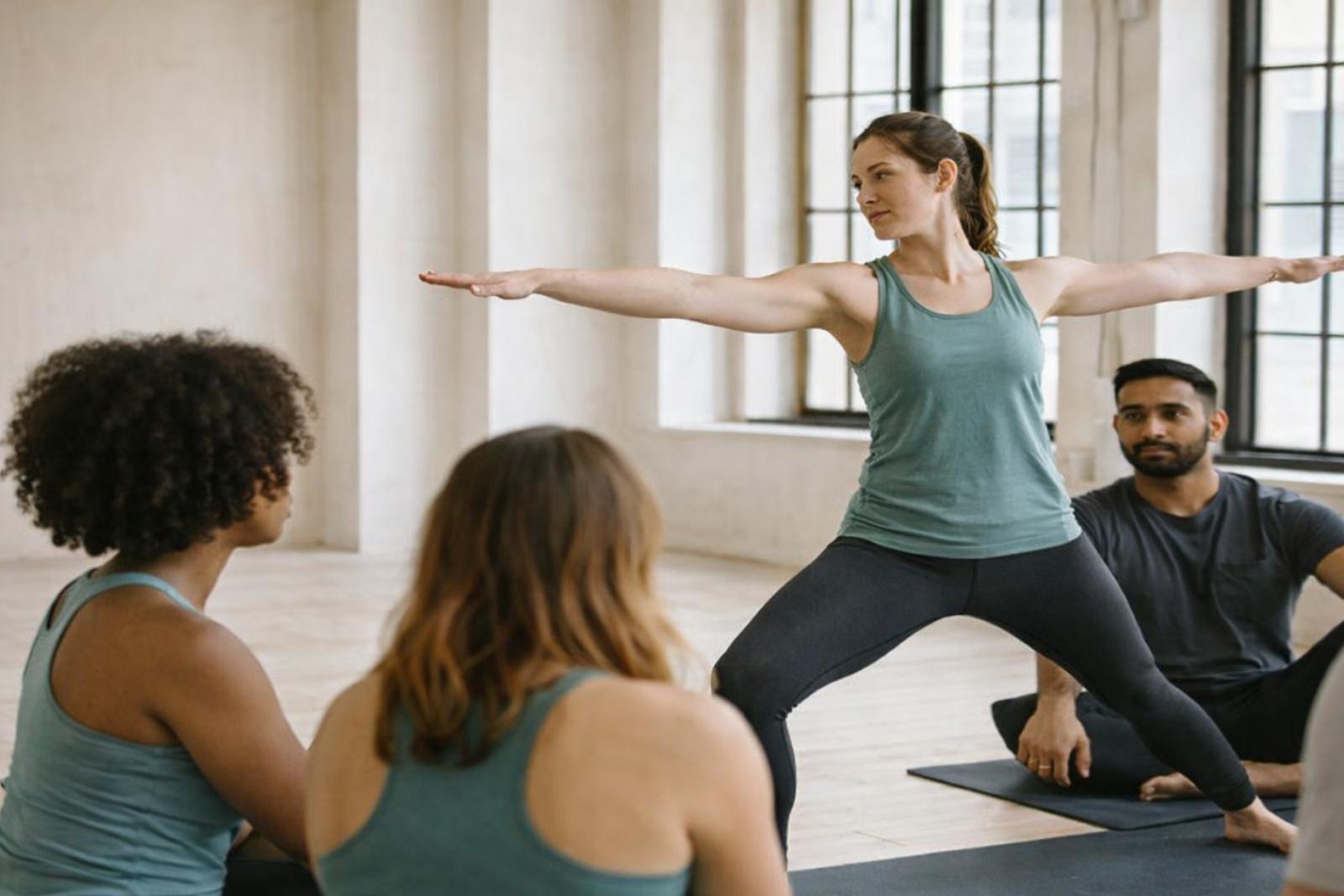
In-person training allowed direct correction of posture and alignment. Senior teachers adjusted students physically. They modeled sequencing and voice projection in real time. Trainees practiced teaching under observation. Feedback happened immediately.
Group dynamics also mattered. Students formed bonds during intensive weekends and retreats. These relationships created accountability. They also built professional networks that lasted beyond certification.
The embodied nature of yoga makes live instruction powerful. Teachers assess subtle cues in breathing and posture. They demonstrate hands-on assists safely. These skills require supervised practice.
As digital education expanded in the 2010s and 2020s, online yoga teacher training emerged. It increased accessibility. However, Vancouver’s foundational programs had already established the in-person model as the gold standard for skill development.
Even in 2026, many students prefer immersive training environments. They value direct mentorship and structured community. Vancouver’s early programs set that expectation decades ago.
The Evolution Toward Modern 200-Hour Programs
Today’s 200-hour yoga teacher training format reflects years of refinement. Vancouver’s early programs helped shape this evolution locally. Modern training now includes clear hour allocations. These typically cover anatomy, methodology, philosophy, and practicum teaching.
Standards emphasize teaching competency rather than personal practice alone. Students must demonstrate sequencing skills. They must understand contraindications and safe cueing. Assessment methods vary, but structured evaluation is common.
Curriculum depth has expanded. Programs often include trauma-informed awareness and accessibility training. They address inclusivity and professional ethics. These developments reflect broader cultural shifts.
Despite these updates, core principles remain consistent with early Vancouver programs. Immersion, mentorship, and community remain central. In-person environments continue to provide richer experiential learning.
Modern students also expect transparency. They want clarity about costs, schedules, and outcomes. Established programs in Vancouver now provide detailed program outlines. This clarity supports informed decision-making.
The evolution from informal apprenticeship to structured certification reflects maturity. Vancouver’s first teacher training programs played a role in this progression. They helped create the professional standards current students now expect.
What This History Means for Students Today
Understanding Vancouver’s first yoga teacher training program provides context. It reveals how professional standards developed. It explains why certain practices endure.
Students choosing training today benefit from this foundation. Structured curriculum exists because early teachers recognized the need for consistency. In-person mentorship remains central because experience showed its effectiveness.
When evaluating programs in 2026, prospective trainees should look for continuity with these principles. Does the program emphasize supervised teaching? Does it provide direct feedback? Does it build community?
Historical awareness also clarifies expectations. Teacher training requires commitment. Early Vancouver programs demanded dedication. Modern training still requires effort. Quick certification rarely produces confident instructors.
The city’s yoga culture grew through intentional development. That legacy continues to influence current offerings. Students who understand this lineage can make better choices aligned with their goals.
Conclusion: Vancouver’s First Yoga Teacher Training Program
Vancouver’s first yoga teacher training program marked a turning point in the city’s wellness culture. It transformed informal mentorship into structured professional education. It helped establish standards that continue today.
The early move toward immersive, in-person instruction shaped expectations across British Columbia. That foundation still supports modern 200-hour certification programs.
Understanding this history matters. It reveals why in-person mentorship remains powerful. It shows how professionalization strengthened credibility.
For prospective teachers, the takeaway is clear. Choose programs grounded in structured curriculum, supervised practice, and community learning. These elements trace directly back to Vancouver’s earliest teacher training efforts. They remain essential in 2026 and beyond.