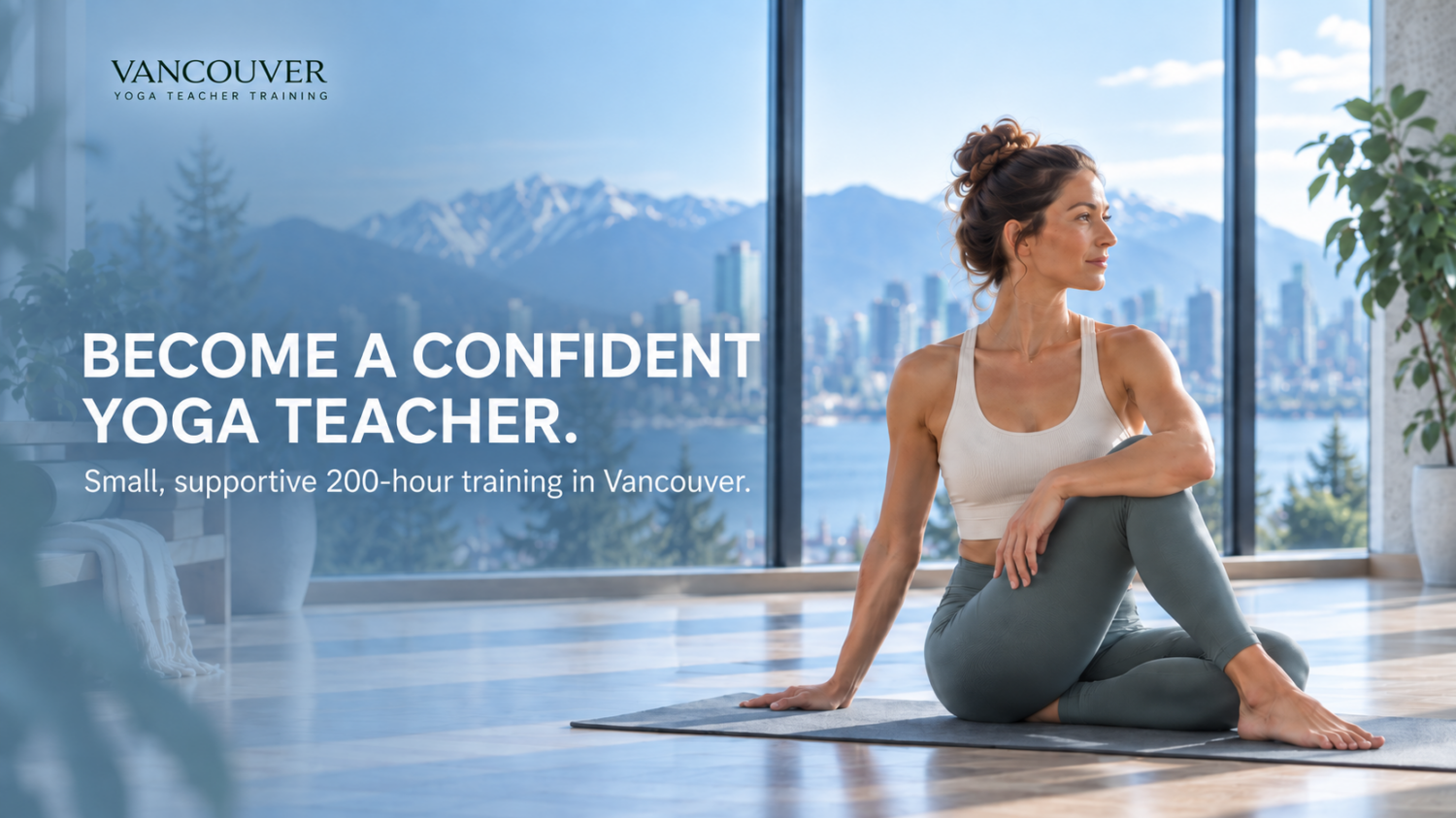
 Top Yoga Teacher Training Programs in Vancouver
Choosing the right yoga teacher training program in Vancouver can shape your entire experience as a future teacher. This guide, Top Yoga Teacher Training Programs in Vancouver, explains what actually matters when comparing programs. It avoids hype and focuses on real decision factors. Vancouver offers many options, but not all programs deliver the same depth, structure, or outcome. Some emphasize flexibility. Others focus on in-person immersion and hands-on learning. Your choice should match your goals, schedule, and preferred learning style. This article breaks down what defines a strong program, how to compare them, and why in-person training still leads for most serious students in 2026. You will learn what to look for, what to avoid, and how to select a program that supports real teaching ability. This is not a generic list. It is a practical guide designed to help you choose confidently in a competitive local market.
What Defines a High-Quality Yoga Teacher Training Program in Vancouver
A high-quality yoga teacher training program does more than meet minimum hour requirements. It develops your ability to teach clearly, safely, and confidently. In Vancouver, strong programs share several consistent traits. First, they provide structured in-person instruction. This allows direct feedback on alignment, cueing, and presence. Second, they include real teaching practice. You should teach multiple classes before graduating. Third, they focus on anatomy in a practical way. You need to understand movement, not just memorize terms. Fourth, they offer experienced instructors who actively teach, not just present theory.
Good programs also create a learning environment that supports growth. Class sizes are manageable. Students receive individual feedback. The schedule allows integration between sessions. This matters more than speed. Programs that rush students often produce weaker teachers. Another key factor is assessment. Strong programs evaluate teaching ability, not just attendance. This ensures graduates meet a real standard.
Local relevance also matters. Vancouver has a unique yoga culture. Studios expect professionalism and adaptability. Programs that understand this prepare students better. They discuss real studio expectations, not ideal scenarios. They also provide guidance on entering the local teaching market.
Finally, internal structure matters for SEO and authority. Programs with strong educational content often maintain active blogs and internal linking. This strengthens their visibility and credibility.
In-Person vs Online Training Options in Vancouver
The choice between in-person and online training remains one of the biggest decisions in 2026. Online programs offer flexibility. They allow students to learn at their own pace. This can work for theory-based content. However, yoga teaching is a physical and interactive skill. It requires real-time feedback, observation, and correction.
In-person training provides immediate adjustment. Instructors can correct posture, tone, and sequencing. Students learn by watching others teach. They also develop presence, which is difficult to build online. Teaching is not just information. It is communication and energy. These develop faster in a live environment.
Online programs often reduce costs. They also remove location barriers. However, they may lack accountability. Many students struggle to complete self-paced programs. Others finish without feeling confident to teach. This creates a gap between certification and real ability.
In Vancouver, most studios still value in-person training experience. They want teachers who can manage a room and adapt quickly. Programs that include live teaching components prepare students better for this environment. Hybrid models exist, but they must include significant in-person elements to be effective.
The key is alignment with your goal. If your goal is personal study, online may work. If your goal is teaching, in-person training remains the stronger path. This is especially true in a competitive city like Vancouver.
Key Features to Look for in Vancouver Yoga Teacher Training Programs
When comparing programs, focus on features that directly impact your ability to teach. Start with curriculum structure. It should include asana, anatomy, philosophy, and teaching methodology. Each area should connect to practical teaching outcomes. Avoid programs that separate theory from application.
Teaching practice is essential. You should teach regularly throughout the program. This builds confidence and skill over time. Feedback should be specific and actionable. General comments do not help improvement. Look for programs that emphasize repetition and refinement.
Instructor quality matters. Teachers should have real experience leading classes. They should demonstrate clarity, presence, and professionalism. Programs led by active instructors tend to be more relevant. They understand current studio expectations.
Class size affects learning quality. Smaller groups allow more interaction. You receive more personalized feedback. Large groups often limit teaching opportunities. This reduces skill development.
Schedule design also matters. Intensive programs can work, but they require focus. Part-time programs allow more integration. Choose a format that matches your lifestyle and attention capacity.
Finally, consider post-training support. Some programs offer mentorship or guidance after graduation. This can help you transition into teaching. It also increases your chances of success in the local market.
Internal linking and content structure also reflect program quality online. Strong programs connect blog content to training pages. This improves both user experience and search visibility.
Cost, Value, and What You Are Actually Paying For
Yoga teacher training costs in Vancouver vary widely. Prices typically range from moderate to high. The key is understanding what you are paying for. Lower-cost programs often reduce contact hours or support. Higher-cost programs may include more instruction and mentorship.
Cost should be evaluated against value. Look at total hours, instructor access, and teaching opportunities. Programs with more in-person interaction usually provide better outcomes. You are not just paying for information. You are paying for guidance, feedback, and experience.
Some programs include additional resources. These may involve manuals, workshops, or community access. Others offer minimal support beyond the training itself. Consider what you need to feel prepared.
Payment plans are common. They can make programs more accessible. However, avoid choosing based only on price. A cheaper program that does not prepare you to teach has low value. A well-structured program that builds real skill offers long-term return.
Also consider time investment. Training requires consistent effort. Programs that respect your time while maintaining depth are more effective. Balance matters.
From an SEO perspective, content discussing cost and value often performs well. It addresses a key decision point for readers. It also supports internal linking to program pages, strengthening site authority.
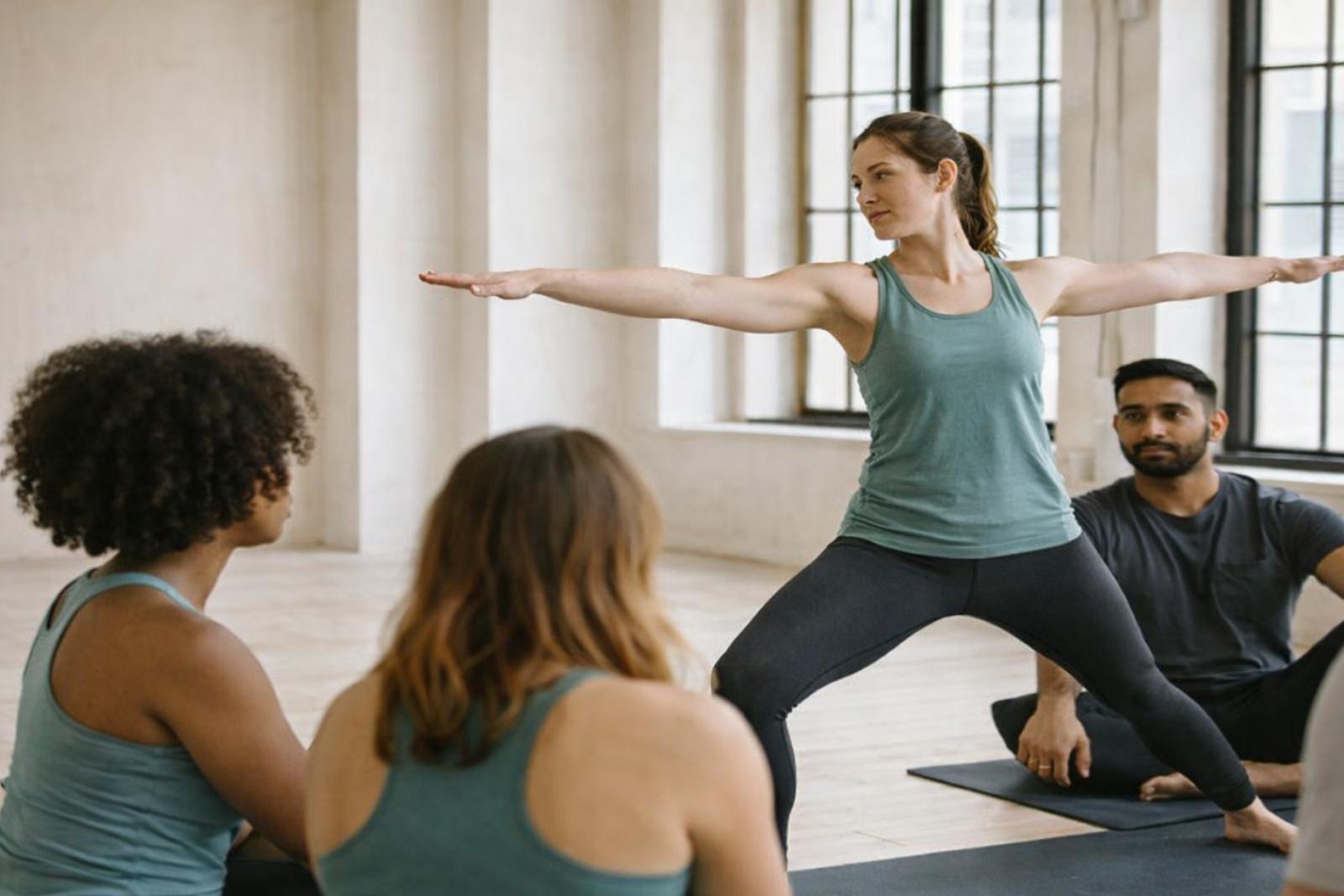 Vancouver’s Yoga Scene and Career Opportunities After Training
Vancouver has an active and competitive yoga scene. Many studios operate across the city. Each has its own style and expectations. New teachers must understand this environment. Certification alone does not guarantee work.
Studios look for teachers who can lead clear, engaging classes. They value reliability and professionalism. They also prefer teachers with in-person training experience. This reflects confidence and readiness.
Career paths vary. Some teachers work part-time while maintaining other jobs. Others build full schedules across multiple studios. Private sessions and workshops offer additional income streams. However, building a stable income takes time.
Networking plays a role. Training programs often connect students with local communities. This can lead to opportunities. Relationships matter in the Vancouver market.
Continuing education also matters. Many teachers expand their skills after initial certification. This helps them stand out. It also improves teaching quality.
From a digital perspective, maintaining an active online presence supports visibility. Blogs, social media, and local SEO all contribute. Consistent content signals relevance and activity to search engines.
How to Choose the Right Yoga Teacher Training Program in Vancouver
Choosing the right program requires clarity. Start by defining your goal. Do you want to teach professionally or deepen personal practice? This determines the type of program you need.
Next, evaluate program structure. Look at curriculum, schedule, and teaching opportunities. Ensure the program aligns with your availability and learning style. Visit the space if possible. Environment affects experience.
Speak with instructors or graduates. Ask about their experience. This provides insight beyond marketing materials. Real feedback helps you make informed decisions.
Compare programs based on outcomes, not just features. Which program produces confident teachers? Which provides ongoing support? These questions matter more than branding.
Trust your judgment. If a program feels rushed or unclear, consider alternatives. Strong programs communicate clearly and set realistic expectations.
Finally, consider long-term impact. A good program should prepare you for real teaching. It should build skills you can use immediately. This is the true measure of quality.
Conclusion: Top Yoga Teacher Training Programs in Vancouver
Choosing from the Top Yoga Teacher Training Programs in Vancouver requires more than comparing prices or schedules. It requires understanding what creates real teaching ability. In-person training continues to lead because it develops practical skill, confidence, and presence. Strong programs focus on structured learning, consistent teaching practice, and experienced instruction. They prepare students for the realities of Vancouver’s competitive yoga market. Online options offer flexibility, but they often lack the depth needed for professional teaching. The best choice depends on your goals, but for most students aiming to teach, in-person training remains the most effective path. By focusing on quality, structure, and real outcomes, you can select a program that supports long-term success.