
 Is Yoga Teacher Training in Vancouver Worth It?
Many people who practice yoga eventually ask the same question: Is yoga teacher training in Vancouver worth it? The idea often begins with curiosity. A student enjoys classes, develops a deeper practice, and wonders what it would mean to study yoga in a structured program. Teacher training is often the next step in that journey.
Yoga teacher training programs have grown across Canada during the past decade. Vancouver has become one of the most active places in the country for yoga education. The city has a strong wellness culture, a large yoga community, and many studios offering classes every day. This environment naturally supports people who want to move beyond casual practice and explore teaching or deeper study.
However, deciding to enroll in a teacher training program requires careful thought. Training requires time, financial investment, and consistent effort. Some students want to teach professionally. Others simply want to deepen their personal practice and understanding of yoga philosophy, anatomy, and teaching methods.
This article explores the practical realities of yoga teacher training in Vancouver. It explains what training involves, what students gain from the experience, and what outcomes are realistic. It also compares training goals with the actual opportunities available in the local yoga community. Understanding these factors helps students decide whether training is truly worthwhile for their situation.
Vancouver’s Yoga Culture and Learning Environment
Vancouver is widely known for its wellness culture. The city places strong value on health, outdoor activity, and mindful living. Yoga fits naturally into this lifestyle. Many residents practice yoga regularly, and the number of studios across the region reflects that demand.
The environment matters when someone considers yoga teacher training. Training programs rely on active communities. Students need opportunities to practice teaching, attend classes, and observe different teaching styles. Vancouver offers these opportunities because the yoga community is large and diverse.
Students also benefit from the variety of yoga traditions available in the city. Studios often teach styles such as Hatha, Vinyasa, Yin, restorative yoga, and meditation practices. Exposure to different traditions helps trainees understand the broader scope of yoga rather than learning a single approach.
Another advantage of training in Vancouver is access to experienced instructors. Many teachers in the city have studied internationally or spent years developing their practice. Learning from experienced teachers helps students understand the depth of yoga beyond simple physical exercise.
Community also plays an important role during teacher training. Students often build strong connections with classmates. These relationships support learning and help trainees develop confidence while practicing teaching. A supportive training group can make the learning process more effective.
Because Vancouver has an established yoga culture, students can immerse themselves in practice during training. They can attend local classes, observe different studios, and apply what they learn immediately. This environment strengthens the educational experience and helps students develop real teaching skills.
What Students Actually Learn in Yoga Teacher Training
Many people assume yoga teacher training focuses only on learning poses. In reality, training programs cover many areas of yoga practice and teaching. Understanding these areas helps students decide whether the program matches their interests.
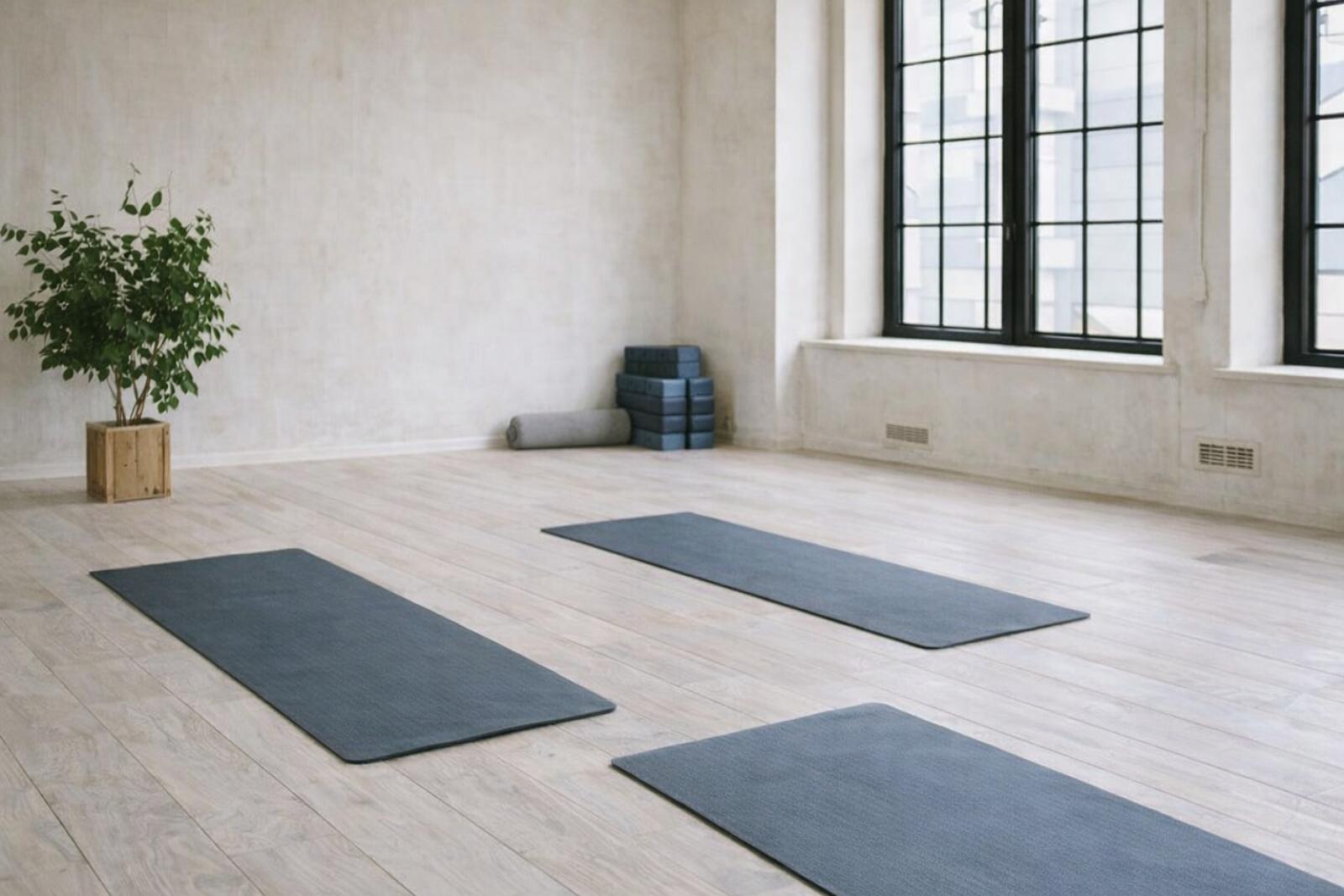 Most 200-hour training programs include several core subjects. The first area involves asana practice and alignment. Students study common yoga postures and learn how to guide others safely through them. Instructors explain alignment principles and variations that help students adapt poses for different bodies.
Another major area is anatomy and physiology. Trainees learn how muscles, joints, and connective tissues function during movement. This knowledge helps teachers guide students safely and reduce the risk of injury.
Teacher training also includes teaching methodology. Students practice sequencing classes, giving clear verbal cues, and managing groups of students. They often practice teaching short segments and receive feedback from instructors and classmates.
Yoga philosophy is another essential component. Students study traditional ideas from yoga texts and explore how these concepts apply to modern practice. Philosophy discussions often address mindfulness, ethics, and the broader purpose of yoga.
Training also introduces breathing techniques and meditation practices. These practices help students understand yoga as a complete system rather than only a physical activity.
By the end of training, students understand the structure of a yoga class. They learn how to guide warm-ups, sequences, and closing relaxation. More importantly, they develop the confidence to speak clearly and guide a group.
Teacher training therefore serves two purposes. It teaches practical skills for teaching classes. It also helps students deepen their understanding of yoga practice and its philosophy.
The Career Reality of Teaching Yoga in Vancouver
Some students enter teacher training with the goal of becoming professional yoga teachers. While teaching yoga is possible as a career, the reality often differs from expectations. Understanding this reality helps students approach training with realistic goals.
Many yoga teachers begin by teaching part-time. Studios often hire new teachers to cover a few weekly classes. Over time, teachers build experience and gain more teaching opportunities. However, full-time teaching positions are less common.
Income from yoga teaching varies widely. Many teachers combine yoga with other work. They may teach part-time while working in wellness fields, fitness, or other professions. Others build independent teaching businesses through workshops or private sessions.
The local yoga community in Vancouver is active but competitive. Many trained teachers already live in the region. New teachers must develop their voice, teaching style, and community connections to build a schedule.
Despite these challenges, teaching yoga can still be meaningful. Many teachers find deep satisfaction in helping students develop healthier habits and stronger body awareness. Teaching also allows instructors to stay connected to their personal practice.
For some trainees, the goal of teacher training is not income. They want deeper knowledge of yoga and personal growth. For these students, the value of training often lies in the educational experience rather than career outcomes.
Understanding career realities helps students make informed decisions. Training can open doors to teaching, but it should not be viewed as a guaranteed full-time profession.
Personal Growth and Practice Development
Even when students do not plan to teach, yoga teacher training can offer powerful personal benefits. Many trainees report that training changes how they approach yoga and daily life.
Training encourages consistent practice. Students attend regular sessions and engage with yoga more deeply than casual class attendance allows. This commitment often strengthens flexibility, body awareness, and physical endurance.
The learning environment also encourages reflection. Discussions about philosophy and mindfulness can help students examine their habits and daily routines. Many trainees discover ways to apply yoga principles outside the studio.
Confidence often grows during training as well. Practicing teaching in front of peers helps students overcome fear of public speaking. They learn to communicate clearly and guide others with calm authority.
Community support also contributes to personal growth. Students share experiences and encourage each other through the challenges of learning. These relationships often continue after training ends.
For many trainees, the greatest benefit of teacher training is the transformation of their personal practice. They learn how to move safely, breathe more effectively, and understand the deeper purpose of yoga.
These changes often remain long after the program ends. Even students who never teach professionally often describe teacher training as a turning point in their relationship with yoga.
Is Yoga Teacher Training in Vancouver Worth It?
Conclusion: Is Yoga Teacher Training in Vancouver Worth It?
So, is yoga teacher training in Vancouver worth it? The answer depends on a student’s goals and expectations.
For people who want deeper knowledge of yoga, training can be extremely valuable. It provides structured education, experienced guidance, and a supportive learning community. Students gain understanding of anatomy, philosophy, and teaching methods that regular classes rarely provide.
For those who want to teach yoga, training is the first step. However, students should approach teaching with realistic expectations. Building a teaching career often takes time and patience. Many teachers start with part-time classes before expanding their schedules.
Vancouver offers a strong environment for training because the yoga community is active and diverse. Students can learn from experienced teachers and immerse themselves in the city’s wellness culture.
Ultimately, the value of yoga teacher training lies in the experience itself. Training deepens practice, builds confidence, and introduces students to a broader understanding of yoga. For many people, these benefits make the journey worthwhile.