 What Actually Happens Inside a Vancouver Yoga Teacher Training?
When people consider yoga teacher training, they often imagine poses, philosophy, and long weekends in a studio. That image is partly true. It is also incomplete. A Vancouver yoga teacher training is structured, practical, and designed to move you from student to teacher with real skills. This article explains what actually happens inside a program. It covers the schedule, the curriculum, the teaching practice, and the mindset shifts that occur. It reflects how in-person training works today. It aligns with current expectations for clarity, usefulness, and accuracy. It also reflects how strong programs structure learning, link topics internally, and build authority across pages, which supports long-term SEO performance.
The Structure of a Typical Training Weekend
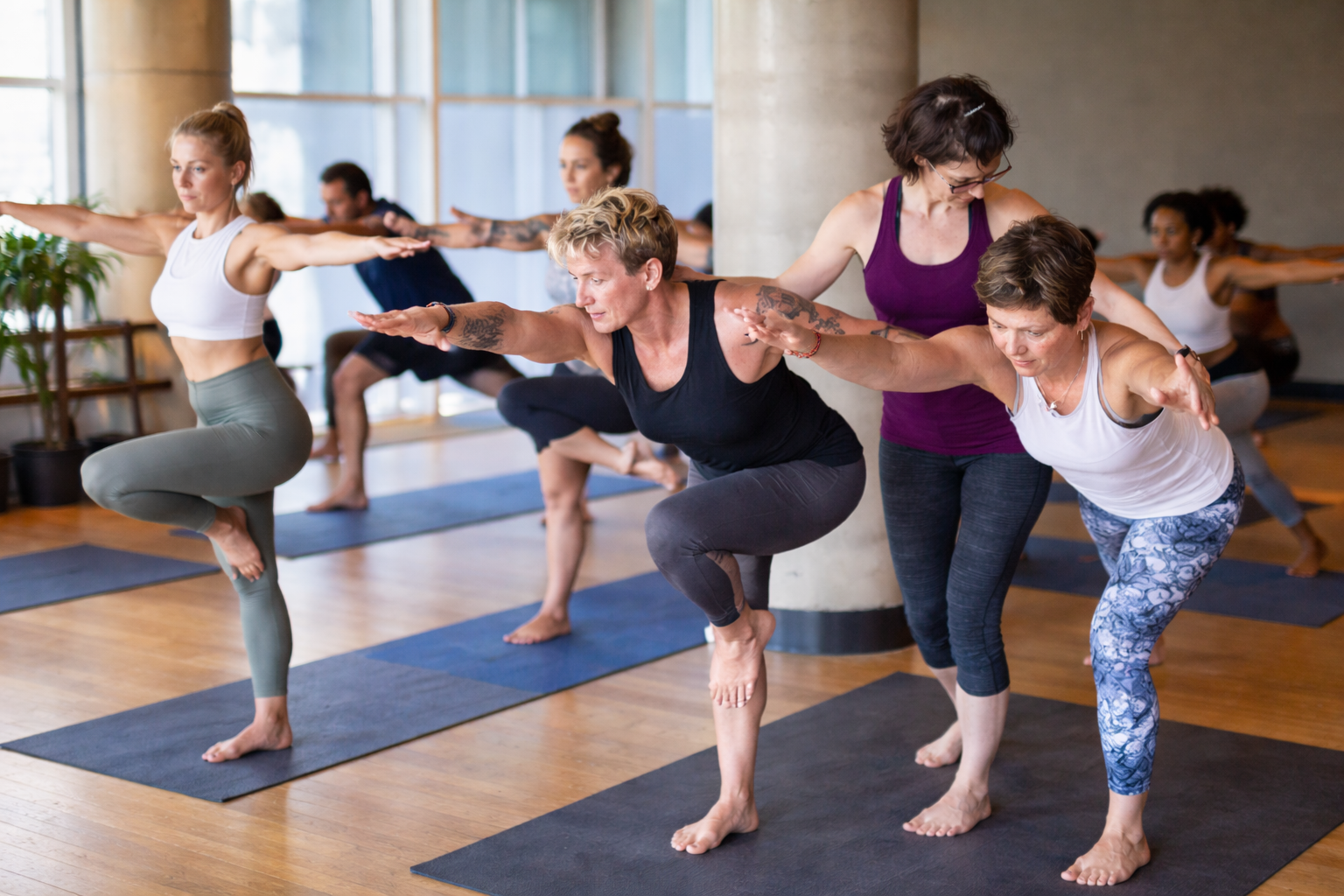
A Vancouver yoga teacher training usually runs on weekends. Some programs use one weekend per month. Others run more frequently. Each weekend follows a predictable structure. That structure builds momentum and reduces confusion. You arrive, settle in, and begin with a short grounding practice. This sets the tone and brings attention into the room. The group then moves into a guided asana practice. The instructor often teaches at a moderate pace. They demonstrate alignment cues and explain why each cue matters.
After the practice, the group transitions into breakdowns. This is where learning deepens. You look at common poses and study them in detail. You discuss joints, muscles, and safe ranges of motion. You learn how to regress and progress each pose. You also learn how to adapt poses for different bodies. This is practical knowledge. It applies immediately when you teach.
The afternoon often includes lecture and discussion. Topics include sequencing, class structure, and cueing. You learn how to open a class, build intensity, and close with integration. You also learn how to manage time. Many trainees struggle with timing at first. The program addresses that with simple frameworks.
The day usually ends with reflection or short practice teaching. You receive feedback from instructors and peers. Feedback is direct and specific. It focuses on clarity, safety, and presence. Over time, this loop builds confidence. The structure repeats across weekends. Repetition creates competence.
 What You Actually Learn Beyond the Poses
Many people think training is about memorizing poses. That is not the core outcome. You learn how to teach movement. You learn how to observe bodies and give clear instructions. You learn how to manage a room. These skills transfer across styles.
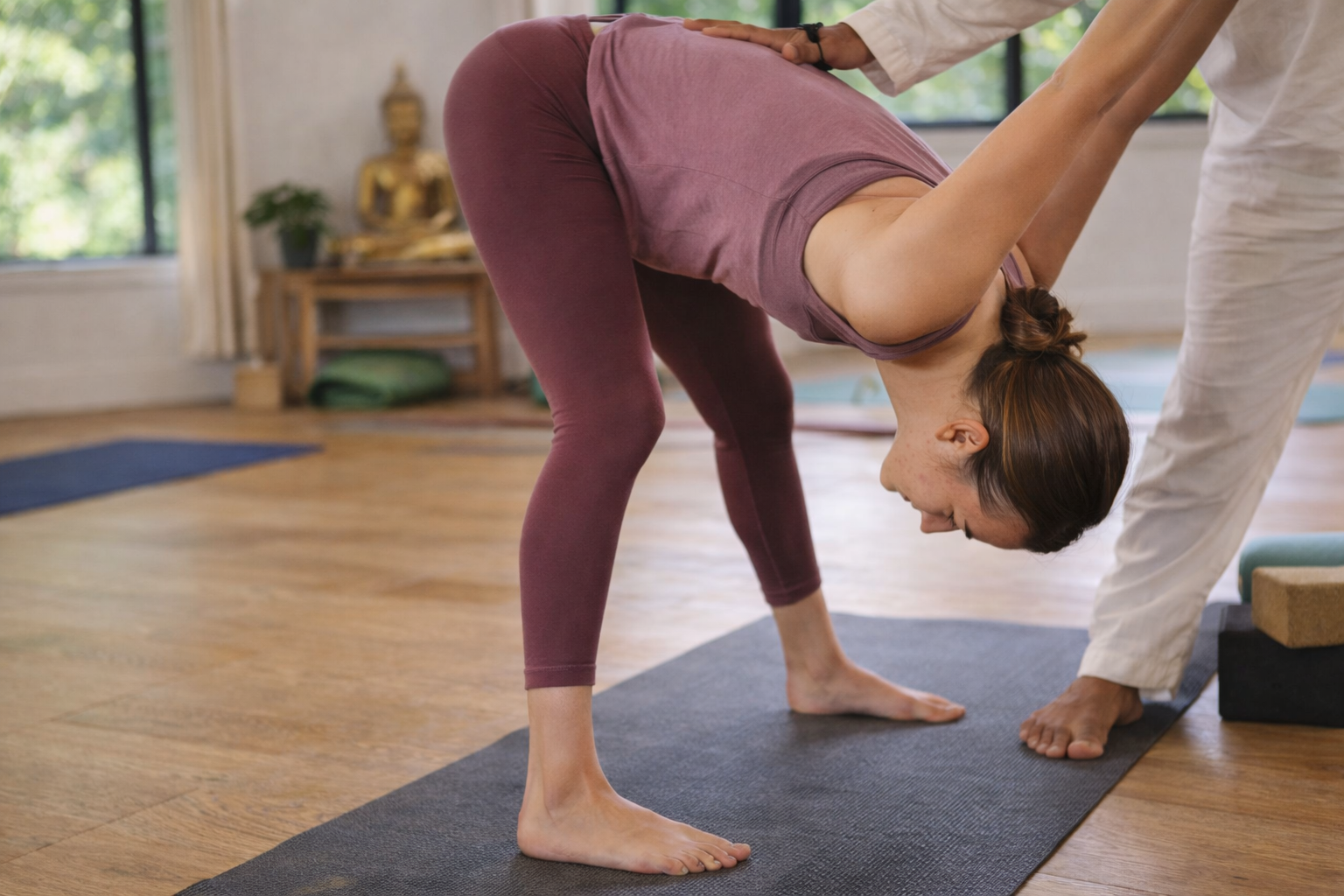
Anatomy forms a key part of the curriculum. You study major joints, common injuries, and safe alignment. You learn how to protect knees, shoulders, and lower backs. You learn how to avoid risky cues. You also learn how to simplify language. Simple cues help students follow along. Complex cues confuse beginners.
You also learn sequencing. A class needs a logical arc. It needs a warm-up, a build, and a peak. It needs a cool-down and integration. You learn how to design that arc. You learn how to adjust it for time limits. You also learn how to read energy in the room. If the room is fatigued, you adjust the plan.
Philosophy appears in a practical way. You are not expected to become a scholar. You learn key ideas that support teaching. You learn how to create a calm environment. You learn how to speak with intention. You also learn boundaries. Teachers guide practice. They do not diagnose or treat conditions.
This mix of anatomy, sequencing, and communication forms the foundation. It moves you from doing yoga to teaching yoga. That shift is the real goal.
The Role of Practice Teaching and Feedback
Practice teaching is where training becomes real. You stand in front of a group. You guide a short sequence. You use your voice. You manage timing. You watch how people move. This can feel uncomfortable at first. That is normal. The program builds this skill step by step.
Early sessions are short. You might teach five minutes. You focus on one or two poses. You practice clear entry and exit cues. You practice breath pacing. You practice simple transitions. Instructors observe closely. They give targeted feedback. They do not overwhelm you with corrections. They focus on what matters most.
As training continues, your teaching time increases. You might teach a full sequence by the end. You learn how to recover from mistakes. You learn how to keep the room safe. You learn how to maintain presence even when you feel pressure. These are essential teaching skills.
Peer feedback also matters. You see how others teach. You learn from their strengths. You notice common errors. This shared learning accelerates progress. It creates a supportive environment. It also reflects real studio dynamics.
Strong programs use clear assessment criteria. They look for safety, clarity, and structure. They look for appropriate pacing. They look for the ability to adapt. These criteria align with real teaching environments. They prepare you for actual classes.
 The Vancouver Context: What Makes It Different
Training in Vancouver has specific advantages. The city has a strong yoga culture. There is a mix of studios, styles, and student backgrounds. This diversity exposes trainees to different teaching approaches. It also creates realistic expectations.
The climate and lifestyle influence practice. Many students balance work, outdoor activity, and training. Programs often reflect this reality. They emphasize efficiency and practicality. They avoid unnecessary complexity. They focus on skills that work in real classes.
Local studios often value clear, accessible teaching. They want teachers who can handle mixed-level groups. They want teachers who can communicate simply. They want teachers who can maintain safety. Training programs in Vancouver tend to align with these needs.
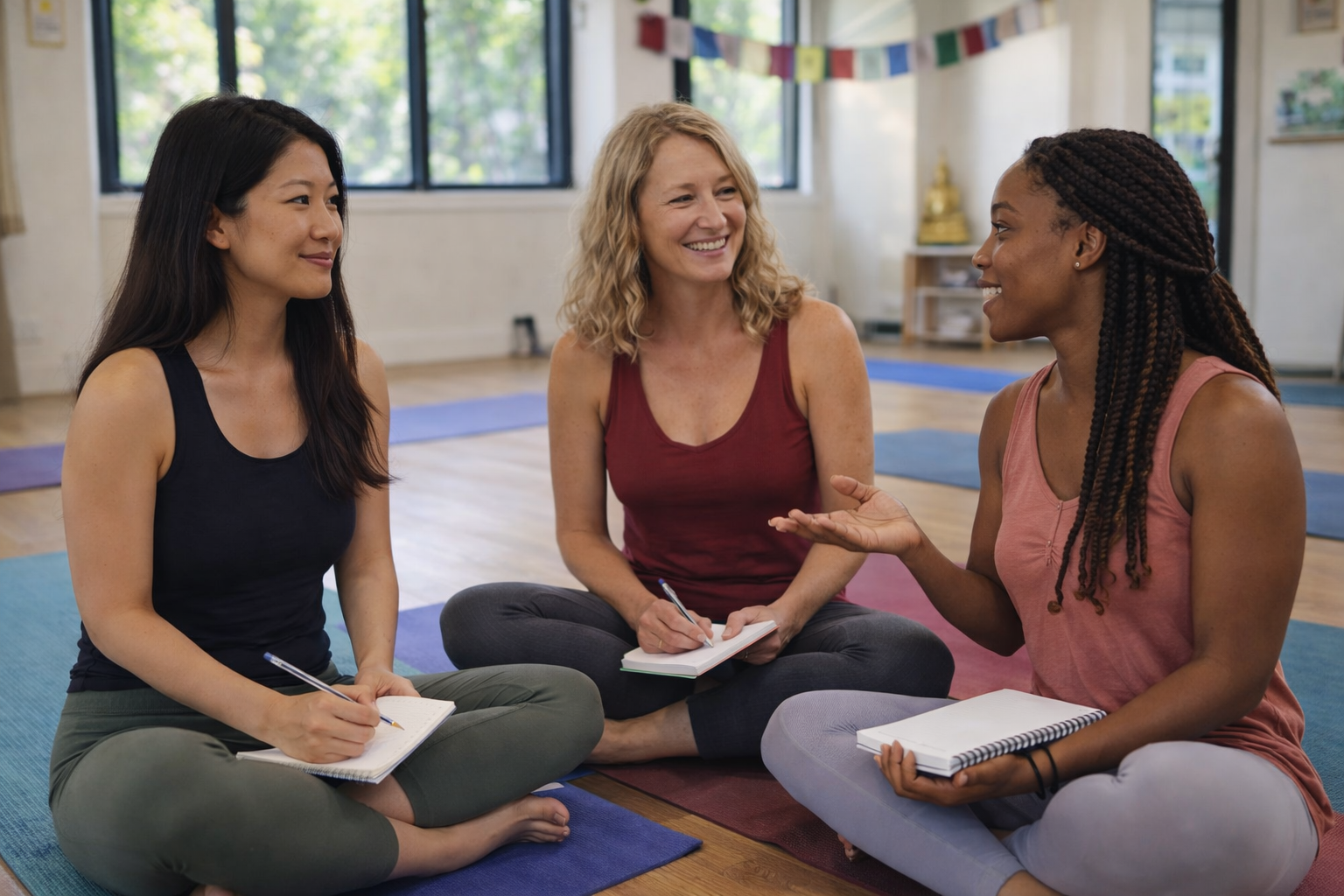
The community aspect also matters. Trainees often build connections that continue after graduation. These connections can lead to teaching opportunities. They can also provide support during early teaching stages. This network effect is real. It helps new teachers stay consistent.
Time Commitment, Workload, and Expectations
A 200-hour program requires commitment. The hours include in-person sessions and self-study. You will read, practice, and prepare sequences. You will also complete assignments. These tasks reinforce learning. They ensure you can apply concepts.
Most trainees manage training alongside work. This is possible with clear scheduling. Weekend formats support this balance. You need to plan your time. You need to protect study blocks. You also need to maintain your own practice. Teaching improves when your practice is consistent.
Expect steady progress, not perfection. Early sessions can feel challenging. You might struggle with cues or timing. This improves with repetition. The program is designed for this. It builds skills gradually.
Assessment usually includes a final teaching segment. You demonstrate your ability to guide a class. You show structure, safety, and clarity. You also show presence. Passing requires meeting these criteria. Strong programs make expectations clear from the start.
 What You Do Not See on the Surface
There are elements that are not obvious before you start. One is the shift in attention. You move from your own experience to the group’s experience. You learn to watch others. You learn to adjust in real time. This requires focus and restraint.
Another is voice development. Your voice becomes a tool. You learn tone, pace, and volume. You learn when to speak and when to stay quiet. Silence can support practice. Over-talking can disrupt it.
You also learn boundaries. You are not a therapist. You are not a clinician. You guide movement and attention. You refer out when needed. This protects both you and your students.
Finally, you learn consistency. Teaching improves with repetition. Training builds a base. Real improvement continues after graduation. Programs that emphasize this reality prepare you better.
How Programs Are Structured for SEO and Learning Value
Strong programs structure content clearly. They use defined topics and logical progression. This helps trainees learn. It also helps search engines understand the content. Clear headings and distinct sections improve readability. They also support indexing.
Internal linking is part of this structure. Blog posts connect to program pages, city pages, and FAQs. This builds authority across the site. It strengthens rankings for key topics. It also helps users navigate information efficiently.
Regular updates maintain relevance. Programs review content and improve it. They add images, refine headings, and adjust links. This keeps information accurate. It also signals activity to search engines. Consistency supports visibility over time.
What Happens After You Graduate
Graduation is the start of teaching, not the end of learning. New teachers often begin with small classes. They might sub classes or teach friends. This builds experience. It also builds confidence.
You refine your voice and structure. You learn what works in real rooms. You adapt to different student needs. You continue to study. Many teachers take additional training. They deepen knowledge in specific areas.
Opportunities in Vancouver vary. Some studios hire new teachers. Others require experience. Building a consistent schedule takes time. Networking helps. So does reliability. Showing up prepared and on time matters.
Long-term progress depends on consistency. Teaching improves with repetition. Feedback remains important. Many teachers maintain connections with their training cohort. This provides ongoing support.
What Actually Happens Inside a Vancouver Yoga Teacher Training? (Conclusion)
A Vancouver yoga teacher training is structured, practical, and focused on real teaching skills. You learn anatomy, sequencing, and communication. You practice teaching and receive feedback. You develop presence and consistency. You also build connections that support your growth. The program moves you from student to teacher through repetition and clear structure. The main takeaway is simple. Training is not about poses alone. It is about learning to guide others safely and clearly. That is what actually happens inside a Vancouver yoga teacher training.