 How to Succeed in Your Vancouver Yoga Teacher Training
Starting a yoga teacher training in Vancouver can feel exciting, overwhelming, and deeply meaningful at the same time. The city offers a unique mix of nature, wellness culture, and high standards within the yoga industry. This combination can elevate your experience, but it can also create pressure if you are not prepared. How to Succeed in Your Vancouver Yoga Teacher Training is not about being the most flexible or the most experienced student in the room. It is about learning effectively, applying knowledge in real situations, and building the confidence to teach real people. Many students enter training expecting a smooth journey, but the reality includes challenges, fatigue, and moments of doubt. This guide gives you a clear, practical roadmap so you can move through your training with purpose and leave fully prepared to teach.
Understand What Success Actually Means in Yoga Teacher Training
Most students enter yoga teacher training with an unclear or unrealistic definition of success. They often believe success means performing advanced poses, impressing instructors, or mastering every concept immediately. That mindset creates unnecessary pressure and distracts from what truly matters. In reality, success in yoga teacher training is much more grounded and practical. It means understanding core principles, developing the ability to guide a safe and structured class, and communicating clearly with students. These skills form the foundation of teaching and matter far more than physical ability. A strong training program will emphasize teaching competency over performance, but you still need to adopt that mindset yourself. When you shift your focus toward clarity, safety, and communication, your entire learning experience becomes more effective and less stressful.
Success also depends on your ability to translate knowledge into action. It is not enough to understand alignment or sequencing in theory. You must be able to apply those concepts while teaching real people in real time. This is especially important in Vancouver, where students often expect a high level of professionalism even from new teachers. If you leave your training feeling confident in your ability to lead a class safely and clearly, you have succeeded. Everything else, including flexibility and advanced practice, becomes secondary. Keeping this definition in mind will help you stay focused, avoid comparison, and build the skills that actually matter once your training is complete.
 Choose the Right Vancouver Yoga Teacher Training Program
Your choice of training program has a direct impact on your outcome, so you need to evaluate it carefully. Many programs look similar on the surface, but their depth, structure, and teaching focus can vary significantly. Some programs emphasize philosophy heavily, while others focus more on physical practice. The best programs strike a balance, but they always prioritize teaching ability. Before committing, review the curriculum in detail and look for clear components such as anatomy, sequencing, teaching practice, and structured feedback. These elements determine whether you will leave the program prepared to teach or simply informed about yoga concepts without practical application.
It is also helpful to compare programs against recognized standards. Organizations like Yoga Alliance provide baseline guidelines for training content and hours, which can help you evaluate credibility. However, registration alone does not guarantee quality, and some excellent programs operate independently with a stronger focus on real-world teaching skills. In Vancouver, boutique programs often offer more personalized attention, while larger programs may provide more structure and networking opportunities. Choose based on how you learn best. If you benefit from direct feedback and smaller groups, a boutique program may be ideal. If you prefer a structured environment with more resources, a larger program may work better. Your decision here sets the tone for your entire experience.
Commit to Consistency Over Intensity
Consistency is one of the most important factors in your success, yet it is often overlooked. Many students begin their training with high energy and motivation, but that intensity fades over time. What separates successful students from the rest is their ability to stay consistent, even when motivation drops. You will attend long sessions, absorb large amounts of information, and experience physical fatigue. On some days, you will feel fully engaged, while on others, you may struggle to focus. The key is to show up mentally every time, not just physically. Consistent engagement builds understanding and retention far more effectively than short bursts of intense effort.
Develop simple habits that support consistency. Take notes during every session and review them weekly. Do not rely on memory alone, as teaching requires precision and clarity. Maintain a short daily practice, even if it is only twenty minutes, and use that time to integrate what you are learning. Focus on alignment, breath, and awareness rather than intensity. Many students attempt to catch up toward the end of training, but that approach leads to gaps in understanding. Treat your training as a steady process rather than a sprint. Over time, consistent effort compounds, and you will notice a significant difference in your confidence and ability to teach.
 Focus on Teaching Skills Early
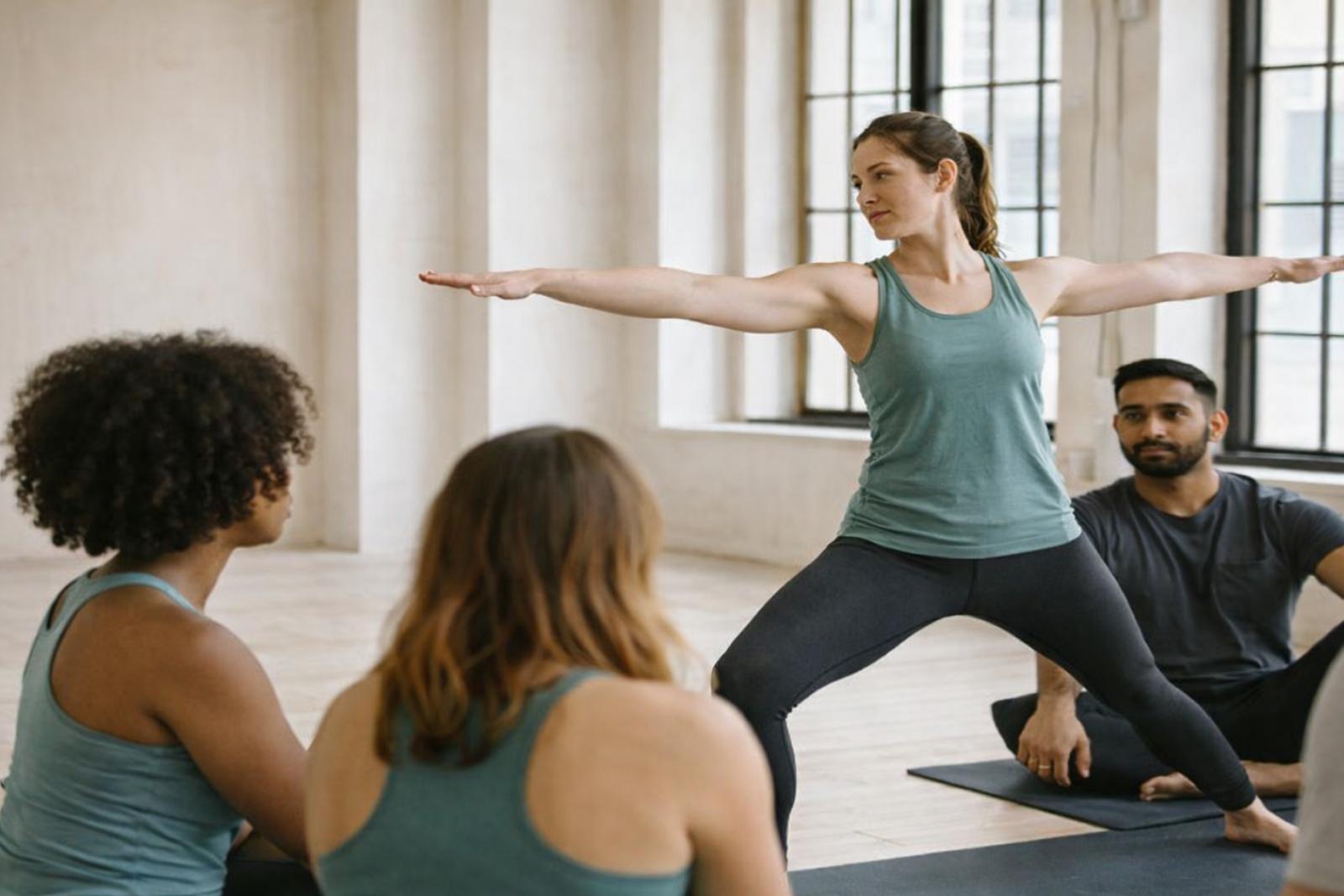
One of the most common mistakes students make is delaying teaching practice until they feel ready. This approach slows progress and creates unnecessary anxiety. Teaching is a skill that develops through repetition, not observation. The sooner you start practicing, the faster you improve. Even if your program introduces teaching gradually, you can begin on your own. Teach a friend, practice cueing out loud, or record yourself to identify areas for improvement. These simple actions help you become more comfortable using your voice and structuring a class.
When you practice teaching, focus on a few core skills. Clear cueing is essential, as your instructions must be easy to understand and follow. Timing is equally important, as rushed transitions can confuse students and disrupt the flow of a class. Observation is another key skill, as it allows you to adjust your teaching based on what you see in the room. If your program provides feedback sessions, use them fully. Ask direct questions and apply the feedback immediately. The more you practice teaching early in your training, the more natural it will feel by the time you graduate. Waiting only delays your development and reduces your confidence.
Build a Strong Foundation in Anatomy
Anatomy plays a critical role in safe and effective teaching, yet many students underestimate its importance. You do not need to memorize every muscle or bone, but you must understand how the body moves and responds to different postures. This knowledge allows you to guide students safely, offer appropriate modifications, and avoid common injuries. Without a basic understanding of anatomy, your teaching will lack depth and clarity, especially when working with diverse groups of students.
Focus on functional anatomy rather than memorization. Learn how joints move, recognize common limitations, and understand how different bodies respond to the same pose. Vancouver’s yoga community includes people with a wide range of abilities and backgrounds, so you need to adapt your teaching accordingly. Using credible resources can strengthen your understanding. For example, National Center for Biotechnology Information offers research-based insights into human movement and physiology. You do not need to become an expert, but you do need to develop competence. A strong foundation in anatomy will improve your confidence, enhance your teaching quality, and help you support your students more effectively.
 Take Feedback Seriously Without Taking It Personally
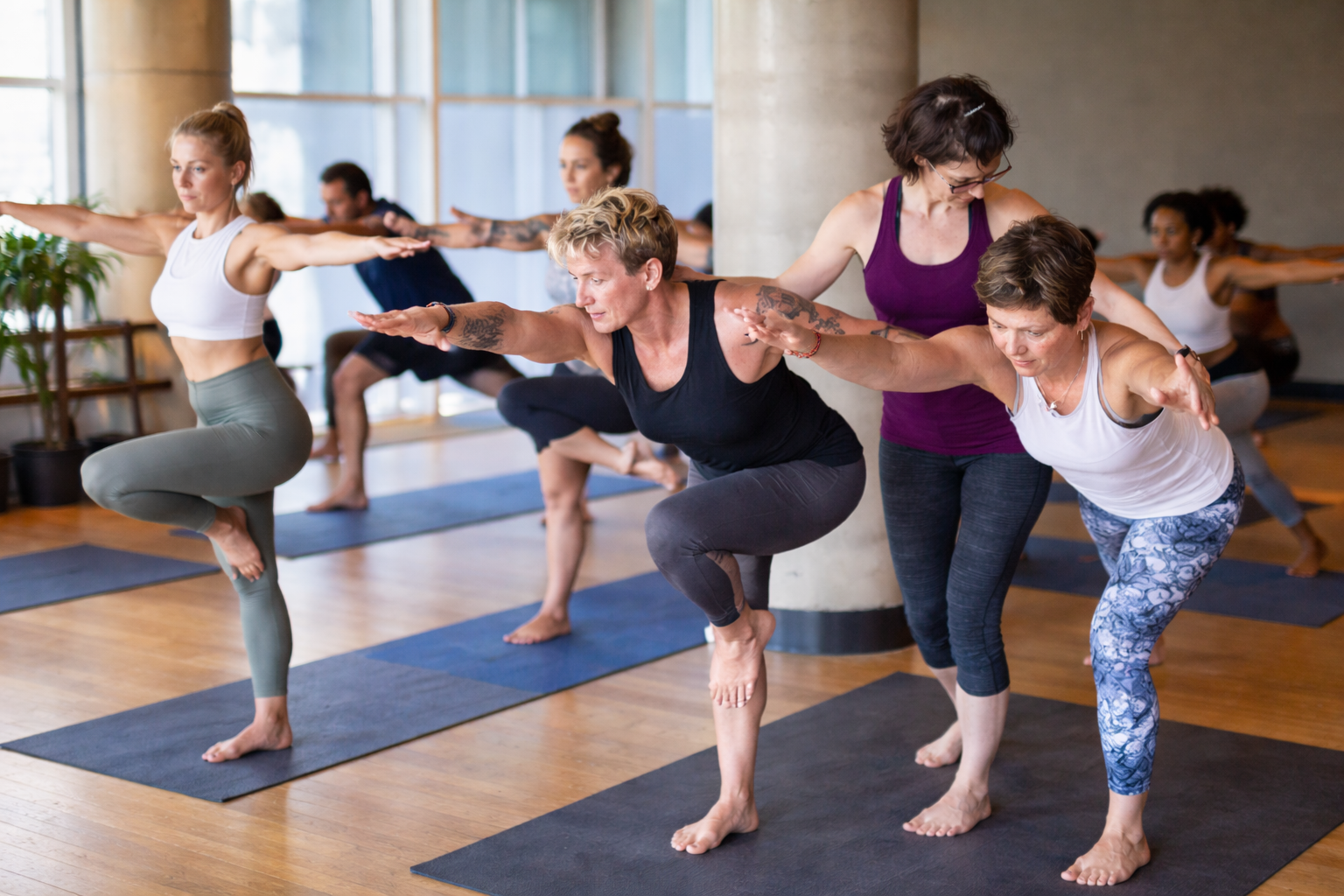
Feedback is one of the most valuable parts of yoga teacher training, but it can also be uncomfortable. Many students struggle to separate feedback from personal judgment, which limits their growth. In reality, feedback is simply information that helps you improve. When an instructor points out an issue with your cueing or sequencing, they are giving you a clear path to become a better teacher. The faster you accept and apply feedback, the faster you progress.
Approach feedback with curiosity rather than defensiveness. Ask specific questions to understand exactly what you can improve and how to do it. Then apply those changes in your next teaching session. Do not wait or overthink the process. Many students hear feedback but fail to implement it consistently, which slows their development. Treat feedback as a tool, not a critique. Over time, this mindset will make you more adaptable and confident. The ability to accept and apply feedback effectively is one of the strongest indicators of long-term success in teaching.
Practice Teaching Outside the Training Environment
Training environments are controlled and supportive, but real teaching situations are not. To build confidence, you need to practice outside that environment. This exposes you to different personalities, body types, and energy levels, which prepares you for real-world teaching. Start small by teaching friends or offering informal classes in parks or community spaces. Vancouver provides many opportunities for this, especially during warmer months when outdoor practice is common.
Teaching outside your training environment also helps you develop adaptability. You may encounter unexpected questions, varying levels of experience, or challenges with pacing. These experiences are valuable because they push you to think and respond in real time. The more exposure you have, the more comfortable you will become. Confidence comes from experience, not theory. By the time you complete your training, you should feel comfortable guiding a group without relying on a controlled setting. This transition is essential if you plan to teach professionally.
 Learn How to Sequence Effectively
Sequencing is one of the most important skills you will develop during your training. A well-structured sequence creates a smooth, logical flow that prepares the body for deeper movement. A poorly structured sequence feels disconnected and can confuse students. To succeed, you need to understand not just what poses to include, but why they are included. Each part of the class should build on the previous one, creating a clear progression from beginning to end.
Start by learning the basic structure of a class. This typically includes a warm-up, a gradual build in intensity, a peak pose or focus, and a cool-down period. Within this structure, each pose should serve a purpose. Ask yourself how each movement prepares the body for what comes next. Avoid copying sequences without understanding them, as this limits your ability to adapt. Strong sequencing improves the student experience and reflects your understanding as a teacher. It is a skill that takes time to develop, but consistent practice will lead to significant improvement.
Develop Clear and Simple Communication
Your ability to communicate clearly determines how effective you are as a teacher. Complex language can confuse students and reduce their confidence, while simple and direct instructions create clarity and ease. Focus on using short sentences and clear cues that guide students without overwhelming them. Avoid over-explaining or using unnecessary detail. Your goal is to help students move safely and confidently, not to impress them with technical language.
Practice speaking out loud as often as possible. Recording yourself can help you identify habits such as filler words, unclear phrasing, or inconsistent pacing. Listen carefully and refine your delivery over time. Clear communication also involves tone and timing. Speak at a steady pace and allow students time to respond to your cues. When your communication is simple and effective, your teaching becomes more accessible and engaging. This skill is essential for building trust and creating a positive class experience.
Manage Your Energy and Avoid Burnout
Yoga teacher training can be demanding both physically and mentally, so managing your energy is essential. Long sessions, emotional processing, and the pressure to learn quickly can lead to burnout if you are not careful. Many students try to maintain a high level of activity outside training, especially in a city like Vancouver where outdoor activities are abundant. While staying active can be beneficial, overloading your schedule can reduce your ability to focus and recover.
Prioritize sleep, nutrition, and rest throughout your training. These factors directly affect your ability to absorb information and perform effectively. Listen to your body and adjust your activity level when needed. Training is a long process, not a short-term challenge, so pacing yourself is important. When you manage your energy well, you improve both your learning experience and your overall well-being. This balance allows you to stay engaged, avoid burnout, and complete your training with strength and clarity.
Conclusion: How to Succeed in Your Vancouver Yoga Teacher Training
How to Succeed in Your Vancouver Yoga Teacher Training comes down to clarity, consistency, and real-world application. You succeed when you focus on teaching skills instead of performance, practice consistently, apply feedback quickly, and gain experience outside the training environment. Vancouver provides a strong and competitive setting, which makes preparation even more important. When you approach your training with a clear mindset and structured habits, you build the confidence and competence needed to teach effectively. The goal is not just to complete the program, but to leave fully prepared to guide students safely and clearly. If you follow these principles, you will not only succeed in your training but also create a strong foundation for your future as a yoga teacher.