 Is a 200-Hour Yoga Teacher Training in Vancouver Worth It in 2026?
If you are considering becoming a yoga teacher, you are likely asking a direct question: Is a 200-Hour Yoga Teacher Training in Vancouver worth it in 2026? The answer depends on your goals, your expectations, and the quality of the program you choose. A 200-hour yoga teacher training, often called a 200-hour YTT, is the foundational certification recognized by major yoga organizations worldwide. It qualifies you to teach yoga classes and gives you a structured understanding of asana, anatomy, sequencing, ethics, and teaching methodology.
In 2026, yoga education looks different than it did before the pandemic. Online programs are widely available. Hybrid formats exist. Costs have shifted. Student expectations have changed. At the same time, in-person training in a city like Vancouver offers specific advantages that online learning cannot replicate. This article analyzes the financial, professional, and personal return on investment of completing a 200-hour yoga teacher training in Vancouver in 2026. By the end, you will have a clear framework to decide whether it is worth it for you.
What a 200-Hour Yoga Teacher Training Actually Provides
A 200-hour yoga teacher training is the international baseline credential for new yoga instructors. Programs typically include training in yoga philosophy, anatomy, alignment principles, sequencing, class structure, and teaching practice. Many programs also cover ethics, scope of practice, and basic business skills.
The 200-hour designation reflects minimum instructional hours. Reputable programs follow curriculum standards set by organizations such as Yoga Alliance. Graduates often register as Registered Yoga Teachers (RYT 200) if they choose to affiliate with a registry.
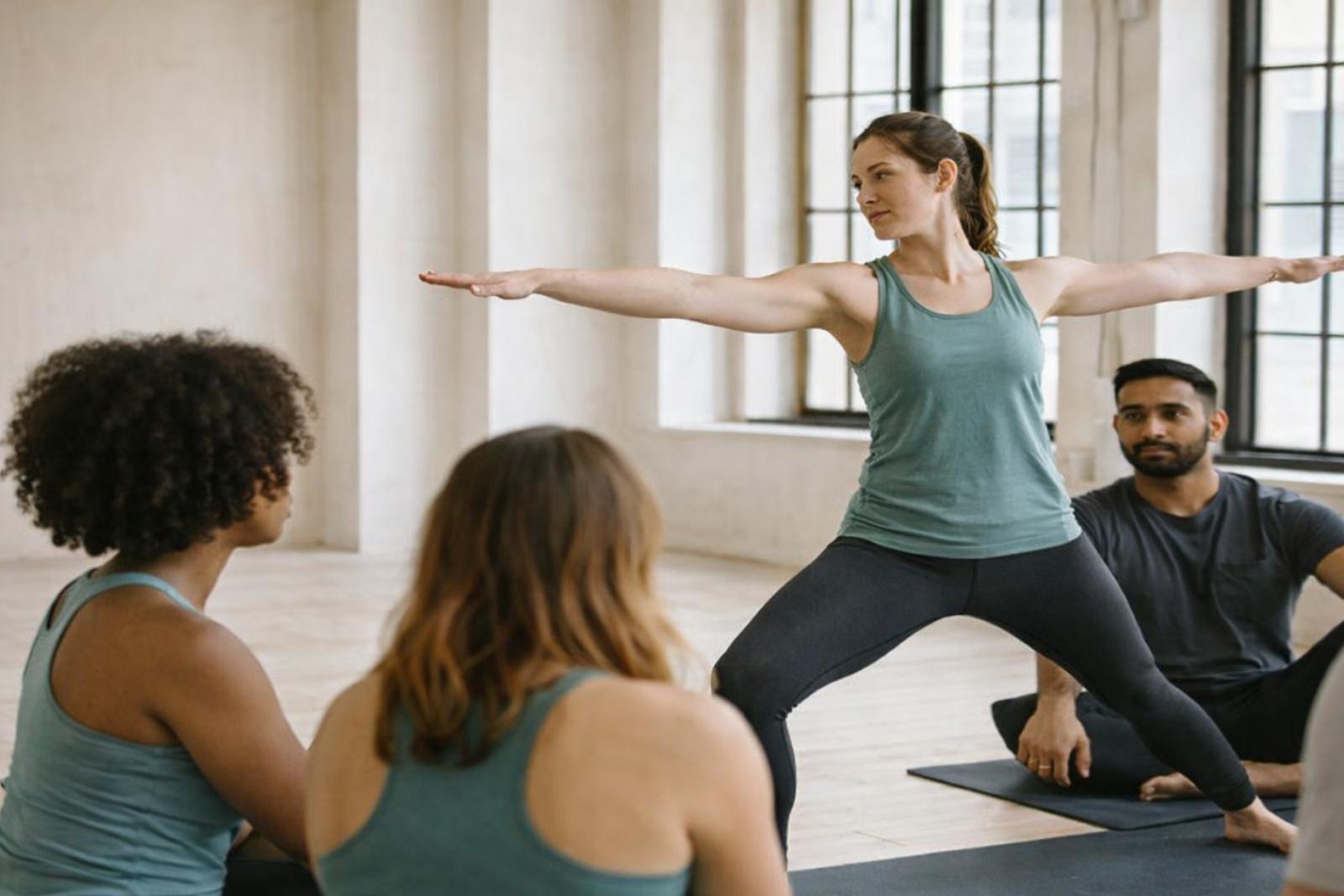
In Vancouver, most in-person 200-hour programs run either in intensive formats or part-time weekend formats over several months. Students practice teaching in front of peers. They receive real-time feedback. They refine cueing, pacing, and physical adjustments under supervision.
That live teaching practice is central. Online programs can provide theory and recorded demonstrations. They cannot fully replicate the experience of standing in front of a room and teaching breathing students.
A 200-hour training does not make someone an expert. It creates a foundation. Graduates leave with enough structure and supervised experience to begin teaching beginner-level classes. Continued learning remains necessary. Many teachers later pursue 300-hour advanced training or specialized certifications.
Understanding this baseline is essential. A 200-hour training is not a guarantee of income or mastery. It is a professional starting point.
The Cost of a 200-Hour Yoga Teacher Training in Vancouver in 2026
Cost matters. In Vancouver, in-person 200-hour programs typically range from approximately $2,500 to $4,000 CAD. Some programs cost more depending on faculty reputation, studio location, and included materials. Early registration discounts are common.
That tuition usually covers instruction hours, manuals, and assessments. It rarely covers required textbooks, yoga mats, or optional workshops. Students must also account for transportation, parking, and time away from other commitments.
Compared to online programs, which can range from under $1,000 to around $3,000 CAD, in-person training appears more expensive. However, price alone does not define value. The question is what you receive for that cost.
In-person programs include supervised teaching labs, physical alignment corrections, mentorship, and cohort bonding. These elements require physical space and instructor time. They add operational cost. They also add learning depth.
When evaluating cost in 2026, consider inflation and real estate pressures in Vancouver. Studio rent and operating expenses remain high. Tuition reflects those realities.
The financial question becomes practical: Can you afford the tuition without financial strain? If the answer is yes, then value depends more on what you gain professionally and personally.
Career Opportunities After Graduation in Vancouver
Many prospective students ask a direct question: Can I make money teaching yoga in Vancouver after completing a 200-hour training?
The honest answer is that teaching yoga rarely becomes a high-income career immediately. Entry-level teachers often start with substitute classes or limited weekly slots. Studios may pay per class or offer revenue sharing. Community centers, gyms, and corporate settings may provide additional opportunities.
In Vancouver, yoga remains popular. The city has a strong wellness culture. However, competition exists. Many certified teachers operate in the region.
A 200-hour certification qualifies you to apply for teaching roles. It does not guarantee placement. Graduates who build relationships during training often find smoother entry into teaching communities.
Some graduates never intend to teach publicly. They complete training for personal growth, deeper understanding of yoga, or private instruction. For them, financial return may not be the primary metric.
If your goal is full-time income, you will likely need additional training, strong marketing skills, and diversified offerings such as workshops, private sessions, or online classes. If your goal is part-time teaching or personal development, the return equation looks different.
The Personal Growth Factor
Many students describe teacher training as transformative. This claim appears frequently in marketing. It also reflects real experience.
A 200-hour training immerses students in consistent practice, structured reflection, and philosophical study. Participants often examine habits, communication styles, and stress responses. They practice public speaking in a supportive environment.
In-person training intensifies this process. Cohort dynamics create accountability and connection. You observe your growth in real time.
Vancouver’s natural environment can enhance this experience. The city offers access to ocean, mountains, and green space. Many programs integrate outdoor practice or encourage nature-based integration.
Personal growth does not appear on a balance sheet. However, it often becomes one of the strongest reported outcomes of teacher training.
If your goal includes self-confidence, communication improvement, or deeper embodiment of yoga principles, the personal return may justify the investment even without immediate teaching income.
In-Person vs Online in 2026: What Has Changed
Online yoga teacher training expanded rapidly during the pandemic. Many programs remain online in 2026. Technology has improved. Video conferencing tools are stable. Pre-recorded modules offer flexibility.
Online training can reduce cost. It allows self-paced study. It suits students with demanding schedules.
However, research in adult education consistently shows that experiential learning improves skill acquisition. Teaching yoga is a performance skill. It requires voice projection, observation, timing, and physical awareness. These elements develop faster with live feedback.
In-person training offers spontaneous interaction. Teachers can correct alignment immediately. Students can ask questions without delay. Peer observation accelerates learning.
Online programs may include live components. They cannot fully replicate shared physical space.
If you value flexibility above all else, online training may suffice. If you value embodied skill development and mentorship, in-person training in Vancouver likely offers stronger preparation.
Vancouver as a Learning Environment
Location influences experience. Vancouver has an established yoga culture. The city supports diverse styles, including vinyasa, hatha, yin, and restorative practices.
Studios often emphasize inclusivity and accessibility. Outdoor events, wellness festivals, and cross-disciplinary workshops occur throughout the year.
Training in Vancouver connects you to this ecosystem. You meet studio owners, guest teachers, and fellow trainees. Networking becomes organic.
In-person programs also allow you to explore teaching opportunities locally during or shortly after graduation. You can attend community classes and observe instructors.
If you plan to teach in the Vancouver area, training locally creates geographic familiarity. You understand studio expectations and local student demographics.
If you plan to relocate elsewhere, the Vancouver credential still holds international recognition at the 200-hour level.
What Makes a 200-Hour Training “Worth It”
The question is not only about cost. It is about alignment with your goals.
A 200-hour yoga teacher training in Vancouver is worth it in 2026 if:
-
You want foundational certification recognized globally.
-
You value in-person mentorship and supervised teaching.
-
You seek structured personal growth.
-
You intend to teach part-time or explore wellness careers.
-
You can afford tuition without debt stress.
It may not be worth it if:
-
You expect immediate full-time income.
-
You want purely academic study without teaching practice.
-
You cannot commit time consistently.
Worth depends on clarity. The clearer your expectations, the stronger your return.
Long-Term Professional Development
Many graduates pursue additional certifications after their 200-hour training. Advanced 300-hour programs deepen knowledge. Specialized certifications cover prenatal yoga, therapeutic yoga, or trauma-informed approaches.
A 200-hour training serves as entry-level professional training. It opens doors to continuing education. It also establishes ethical standards and scope of practice.
In 2026, students increasingly seek teachers who demonstrate ongoing learning. Completing a strong in-person 200-hour program builds credibility.
Long-term worth grows when graduates continue developing their skills. The initial certification becomes the base of a larger professional path.
Conclusion: Is a 200-Hour Yoga Teacher Training in Vancouver Worth It in 2026?
So, is a 200-Hour Yoga Teacher Training in Vancouver worth it in 2026? For many prospective students, the answer is yes. It offers foundational certification, supervised teaching practice, community connection, and meaningful personal growth. It does not guarantee high income. It does not replace advanced study. It provides structured entry into the profession.
If you want embodied training, real-time feedback, and integration into Vancouver’s yoga community, in-person training offers clear advantages over online-only programs. If your goals align with foundational certification and personal development, the investment can produce strong long-term returns.
The final decision rests on your priorities. If you approach the program with realistic expectations and commitment, a 200-hour yoga teacher training in Vancouver can be a valuable step forward in 2026.