
 Yoga Teacher Training Scholarships in Vancouver: Financial Aid, Bursaries & Funding Options for 2026
Yoga teacher training changes how you move, breathe, and show up in the world. It can also cost several thousand dollars. In Vancouver, a 200-hour program typically runs between $3,000 and $4,000, and that’s before books, props, or lost income during an intensive month.
The good news: money shouldn’t be the reason you stay off the mat. Vancouver has a genuinely strong ecosystem of scholarships, bursaries, sliding-scale tuition, and payment plans built specifically for yoga teacher training students. This guide walks through every realistic funding path available in 2026, from non-profit studio scholarships to government student aid, so you can build a plan that actually works for your budget.
Why Yoga Teacher Training Costs What It Does
Before looking at funding, it helps to understand what you’re paying for. A 200-hour teacher training isn’t a weekend workshop. It’s a structured curriculum that typically includes 200+ hours of contact time spread across weeks or months, a detailed training manual, an anatomy textbook, mentorship from senior teachers, and administrative costs tied to certification.
In British Columbia, private career training schools that offer diploma or certificate programs, including many yoga teacher trainings, must be certified by the Private Training Institutions Regulatory Unit (PTIRU). This regulatory oversight is part of why reputable Vancouver studios charge what they do: tuition often covers PTIB compliance costs, secure long-term storage of student records, and insurance, on top of the actual teaching.
Most Vancouver studios price their 200-hour programs between $3,000 and $4,000 plus GST. Some newer, leaner programs have priced closer to $2,000 by using blended online and in-person formats, which cuts overhead without cutting curriculum hours. Either way, tuition is the single biggest expense for most students, which is exactly why scholarships and bursaries matter so much.
It’s also worth knowing that yoga teacher training certification in Canada is generally issued by the individual school, not a government body. Most Vancouver programs align their curriculum with Yoga Alliance standards, the most widely recognized credentialing body in North America, so graduates can register as a Registered Yoga Teacher (RYT-200) after completing an approved 200-hour program.
Karma Teachers: Canada’s Only Non-Profit Yoga Teacher Training
If you’re looking for the most accessible entry point into yoga teacher training in Vancouver, start with Karma Teachers. It’s Canada’s first federally registered non-profit yoga studio and teacher training school, based in the Downtown Eastside at 45 W. Hastings St.
Because Karma Teachers operates as a non-profit with a mission-driven focus, it structures its entire business around accessibility rather than around maximizing tuition revenue. The studio offers full and partial scholarships to aspiring teachers who face financial barriers, along with sliding-scale tuition so students can pay according to what they can genuinely afford. Scholarships are awarded to applicants whose circumstances align with the studio’s mission: removing financial barriers for people who have faced hardship or are in recovery.
Karma Teachers also runs free and by-donation yoga classes throughout the Downtown Eastside, which reflects the same accessibility-first philosophy that shapes its teacher training scholarships. Its 200-hour Hatha-based training blends in-person classes with online coursework, and volunteer hours are part of the program structure, with a six-month window to complete them.
If cost is your primary barrier to becoming a certified yoga teacher, Karma Teachers should be the first program you research. Non-profit teacher trainings with dedicated scholarship funds are rare, and Vancouver is fortunate to have one operating at a serious, Yoga Alliance-aligned standard.
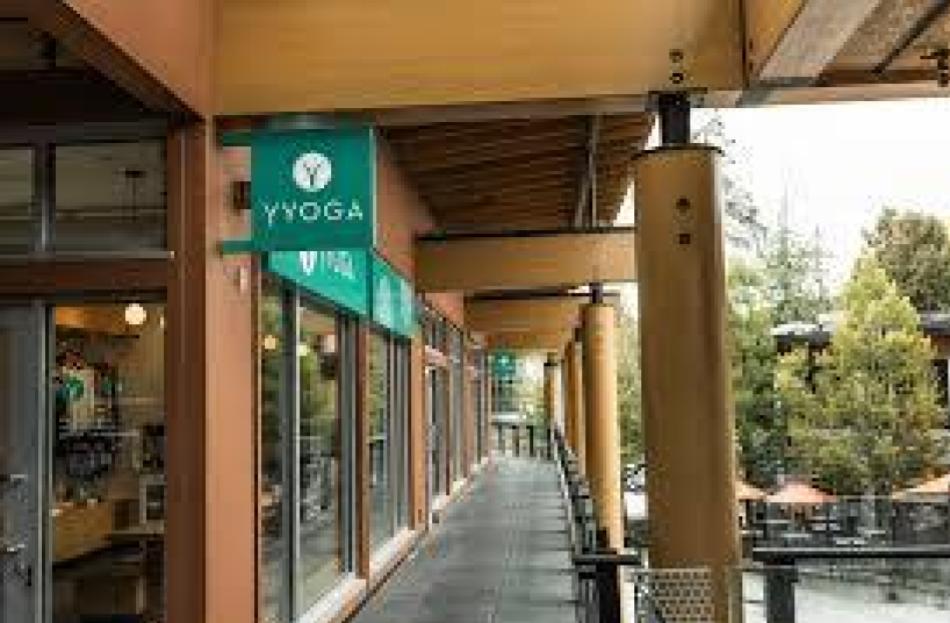
YYOGA’s Teacher Training Bursary Program
YYOGA, one of Vancouver’s largest yoga studio chains, runs a dedicated bursary program aimed at reducing barriers for underrepresented students entering the teaching profession. The bursary covers up to 50% of tuition for YYOGA teacher trainings. Travel, accommodation, and food costs aren’t included, so you’ll still need to budget for those separately if your training requires travel.
Eligibility is intentionally values-driven. YYOGA prioritizes applicants who self-identify as BIPOC, LGBTQIA2S+, and/or as a person with a disability, and who show a demonstrated intention to use their training to make yoga spaces more accessible, safe, and inclusive. The studio also looks favourably on applicants who are already engaged with their community through activism, volunteering, or environmental work.
This kind of targeted bursary reflects a broader trend across the wellness industry: studios recognizing that the people teaching yoga should reflect the diversity of the people practicing it. If you belong to one of these communities and you’re considering YYOGA’s teacher training, the bursary is worth applying for well ahead of your intended start date, since funding decisions typically factor into enrollment planning.
 Other Studio-Based Scholarships Worth Investigating
Beyond Karma Teachers and YYOGA, several other schools in and around Vancouver run their own scholarship or bursary programs, and it’s worth checking directly with any studio you’re considering, since these programs change from year to year.
Semperviva Yoga, one of the city’s longest-running studios, doesn’t advertise a formal scholarship fund, but it’s an HRSDC-certified educational institution that can issue tax receipts for qualifying tuition, and it offers interest-free monthly payment plans (as many as six installments) to spread out the cost of its 200-hour training. If a lump-sum payment isn’t realistic for you, this kind of structured plan can be just as valuable as a partial scholarship.
Naada Yoga runs an annual diversity-focused scholarship for its 200-hour foundational training, typically worth 25% off tuition, with an application window that opens seasonally (recent cycles have closed in February). Recipients commit to a period of weekly volunteer hours as part of the award.
Circle Yoga Cooperative, while based outside Vancouver proper, runs a scholarship program called Circle Yoga Connects, aimed at making its training reflect the diversity of the broader community. Applications typically open several months before each training cohort begins, so timing matters.
If you’re researching a studio that isn’t listed here, the fastest way to check is to look for a “Scholarships,” “Bursaries,” or “Financial Assistance” page on the school’s website, or to email the training coordinator directly and ask. Many smaller studios offer informal, case-by-case tuition assistance that never gets advertised publicly.
StudentAid BC and Government Financial Aid
Because yoga teacher training in BC is regulated as private career training, some programs qualify for government student aid. This is one of the least understood funding routes, and it can make a meaningful difference for BC residents.
To access StudentAid BC funding, the school offering the training must hold active designation from the Private Training Institutions Regulatory Unit for full-time StudentAid BC eligibility. Not every yoga school pursues this designation, since it involves an administrative process, but some do. For example, the Vancouver School of Bodywork and Massage’s Yoga Teacher Training Enriched program has been approved for government-funded student loans as a full-time program.
Before assuming a program is eligible, check StudentAid BC’s designated-institution search tool, or ask the school directly whether they hold current designation for full-time studies. Designation status can change, and a program that qualified in a previous year may not automatically remain eligible, so always confirm before you apply for aid.
It’s also worth noting that private, for-profit career training schools are generally not eligible for the Canada Student Grant for Full-Time Students, though other federal loan and grant provisions may still apply depending on your circumstances. Because rules around private training funding shift periodically, and because eligibility depends heavily on your personal financial situation, it’s worth booking a free appointment with a StudentAid BC advisor before you commit to a program, particularly if you’re planning to rely on a student loan to cover tuition.
 Employment Insurance, Retraining Programs, and Career-Change Funding
If you’re transitioning careers, especially after a layoff, illness, or long period out of the workforce, you may qualify for retraining support that isn’t marketed specifically toward yoga students but can still apply.
WorkBC, the province’s employment services network, offers funded skills training for eligible residents, primarily aimed at people receiving Employment Insurance (EI) or who have recently been on EI. Approval depends on your local WorkBC Centre confirming that the training leads to employment in an in-demand field, so this route requires a conversation with an employment advisor rather than a straightforward online application. It’s not a guaranteed path to funding, but for someone rebuilding a career around wellness or fitness instruction, it’s worth exploring.
Some extended health or employee wellness benefits plans also include a professional development or lifestyle spending account that can be applied toward certifications, including yoga teacher training. If you’re currently employed, check your benefits handbook or ask your HR department directly. This is an underused funding source simply because most people don’t think to ask.
Finally, if you’re self-employed or planning to teach yoga professionally after certification, tuition and related expenses may be deductible as a business expense once you’re generating income from teaching. This is a tax question specific to your situation, so it’s worth a conversation with an accountant rather than treating it as guaranteed funding, but it’s a real cost offset many new teachers overlook.
Payment Plans, Sliding Scale, and Work-Trade Options
Not every funding option is a scholarship in the traditional sense. Some of the most practical ways to make yoga teacher training affordable involve restructuring how and when you pay, rather than reducing what you owe.
Interest-free payment plans are common across Vancouver studios. Semperviva, for instance, offers structured monthly installment options with no added interest, which effectively turns a $3,500 lump sum into a manageable monthly commitment. Always ask a studio directly what payment structures they offer, since many don’t advertise these options prominently on their websites.
Sliding-scale tuition, where the price you pay depends on your income or financial circumstances, is less common but does exist, most notably through Karma Teachers’ non-profit model. If a studio doesn’t list sliding-scale pricing publicly, it’s still worth asking privately, since some schools prefer to handle these conversations case by case rather than advertising a discount structure.
Work-trade arrangements are another option, particularly at smaller or newer studios. In exchange for reduced tuition, students sometimes take on front-desk shifts, help with marketing, assist teachers during classes, or support studio events. These arrangements aren’t standardized and depend entirely on what a given studio needs, so they require a direct conversation rather than a formal application. If you have marketing, photography, social media, or administrative skills, it’s worth mentioning that upfront when discussing payment options with a studio.
Early registration and full-payment discounts are also worth watching for. Several Vancouver programs offer a modest discount, often a few hundred dollars, for students who pay in full before the training starts, which can add up to meaningful savings if you have the cash flow to take advantage of it.
Diversity, Equity, and Inclusion Scholarships
A growing number of yoga teacher training scholarships, both in Vancouver and internationally, are specifically designed to increase representation among yoga teachers. YYOGA’s bursary program, discussed above, is one clear local example, but this is part of a wider movement across the industry.
These scholarships typically prioritize applicants from BIPOC, LGBTQIA2S+, disabled, and other historically underrepresented communities, based on the recognition that yoga’s teacher population in North America has not always reflected the diversity of its student population. Programs that offer these scholarships often ask applicants to describe how they intend to use their training to build more inclusive, accessible yoga spaces, so a thoughtful, specific answer matters more than a generic statement of interest.
If you identify with one of these communities, it’s worth researching DEI-focused scholarships even beyond Vancouver’s borders. Some larger training organizations and online platforms run scholarship funds open to Canadian applicants, and stacking a partial scholarship from one of these programs with a local studio’s payment plan can meaningfully reduce your out-of-pocket cost.
How to Apply for a Yoga Teacher Training Scholarship
Scholarship applications for yoga teacher training tend to follow a similar structure across studios, even though the specific criteria vary. Understanding the general pattern helps you prepare a stronger application.
Most applications ask for a personal statement explaining why you want to complete teacher training, what yoga means to you, and how you plan to use your certification. This is the section where generic answers hurt you most. Studios read dozens of applications, and specificity, mentioning a particular community you want to serve, a personal health journey that led you to yoga, or a concrete teaching goal, stands out far more than broad statements about “loving yoga.”
Many scholarship applications also ask about your financial circumstances, sometimes in detail. Be honest and direct. Scholarship committees aren’t looking for a sob story; they’re trying to understand genuine need so they can allocate limited funds fairly.
If you have any relevant experience or credentials, prior yoga certifications, a related health or fitness background, volunteer teaching experience, include them. This isn’t a strict requirement for most scholarships, but it can strengthen an application, especially for competitive programs with limited scholarship spots.
Finally, pay close attention to deadlines. Scholarship and bursary applications are often reviewed on a rolling basis, but funding can run out before a training cohort fills up. Applying early, ideally as soon as a studio opens applications for its next training, gives you the best chance of securing funding before spots or scholarship dollars are gone.
 Building a Realistic Funding Plan
Very few students cover the full cost of yoga teacher training through a single scholarship. A more realistic approach is to combine two or three funding strategies to close the gap between what you can pay upfront and what the program costs.
Start by narrowing down which studios you’re seriously considering, then research each one’s scholarship, bursary, and payment plan options directly through their website or by email. Apply to any scholarships you’re eligible for as early as possible, since many are awarded on a rolling basis. In parallel, check whether the school holds StudentAid BC designation if you think you might qualify for government aid, and ask about interest-free payment plans regardless of whether you’re approved for other funding, since a payment plan can bridge whatever gap remains.
If you’re still short, consider a work-trade conversation with the studio, or look into whether your employer’s benefits plan covers professional development. None of these funding sources need to be mutually exclusive. A partial scholarship, combined with a payment plan and a modest personal savings contribution, is often how most students actually make teacher training work financially.
Conclusion: Making Yoga Teacher Training Scholarships in Vancouver, Financial Aid, Bursaries & Funding Options for 2026 Work for You
Cost is a real barrier to yoga teacher training, but it isn’t an insurmountable one. Vancouver has a genuinely strong network of support: non-profit programs like Karma Teachers built around sliding-scale accessibility, targeted bursaries like YYOGA’s that fund up to half of tuition, studio-specific scholarships at schools like Naada Yoga, government student aid through StudentAid BC for designated programs, and flexible interest-free payment plans offered by studios like Semperviva.
The main takeaway is this: don’t assume you can’t afford teacher training until you’ve actually asked. Scholarship and bursary decisions are often made case by case, deadlines matter more than most students realize, and combining two or three smaller funding sources is usually more realistic than finding one program that covers everything. Start early, apply to more than one option, and reach out directly to studios about payment plans even if you don’t see one advertised.
If you’re ready to become a yoga teacher, check out our 200-hour teacher training page to see current pricing, schedules, and how to apply.