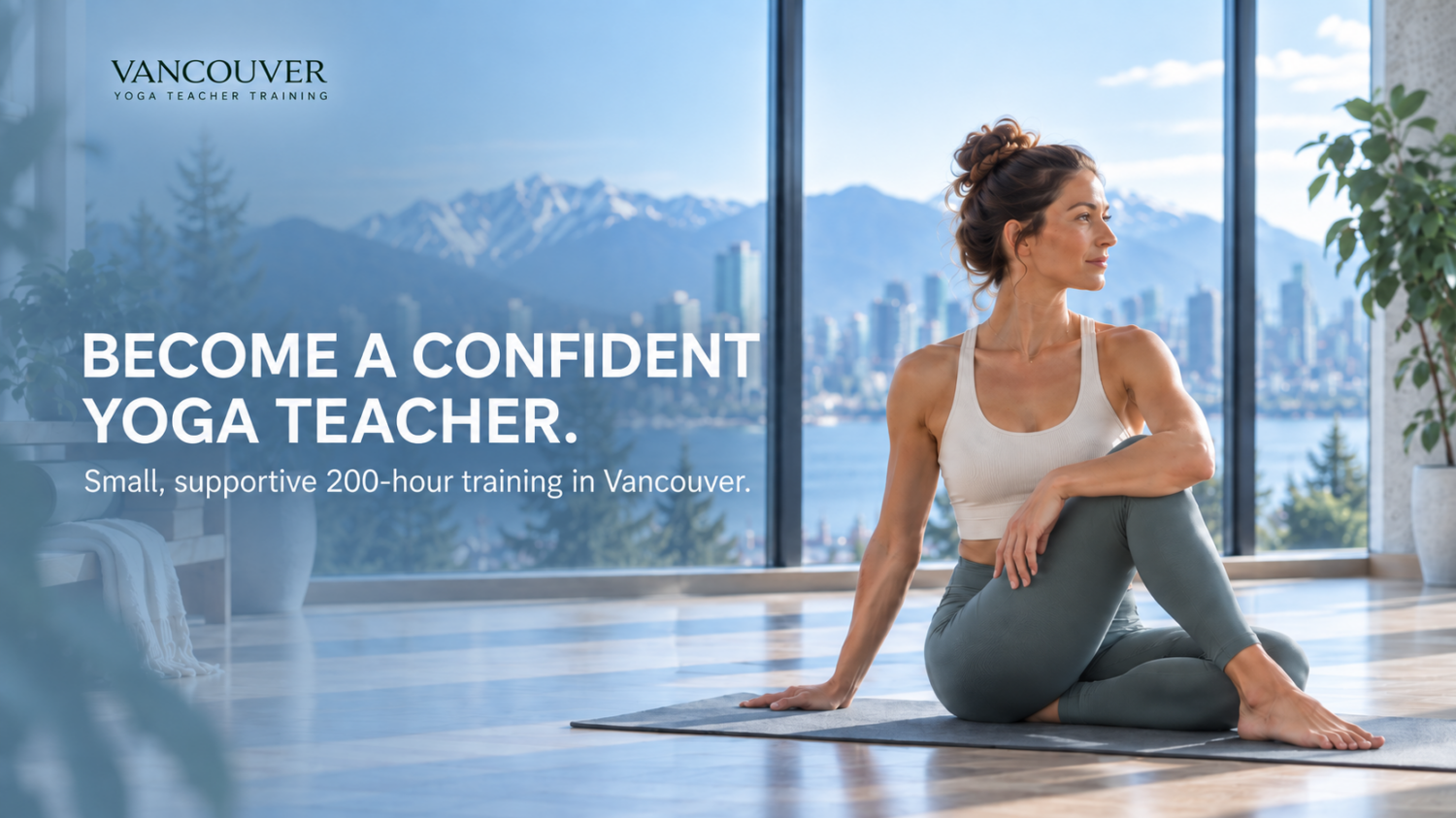
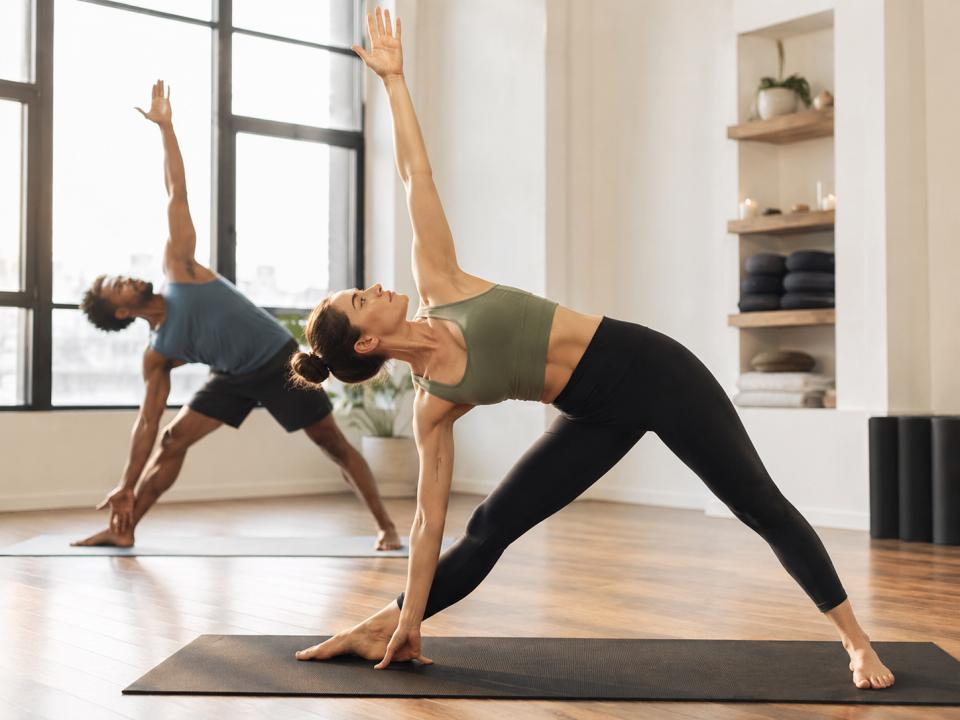
 200-Hour YTT Vancouver: Which Style Should You Train In (Hatha, Vinyasa, Yin)?
Choosing your first yoga teacher training is a meaningful step. You’re not just picking a course. You’re picking a foundation that will shape how you teach, how you practice, and how you understand yoga for years to come. If you’re searching for a 200-Hour YTT Vancouver: Which Style Should You Train In (Hatha, Vinyasa, Yin)?, this guide will help you make a confident, informed decision.
Vancouver offers one of the richest yoga training landscapes in North America. The city blends West Coast wellness culture with deep roots in classical yoga traditions. You’ll find studios teaching everything from traditional Hatha to dynamic Vinyasa to deeply restorative Yin. Each style offers a different lens through which to learn, teach, and embody yoga.
This article breaks down the three most popular 200-hour training paths in Vancouver. We’ll look at what each style teaches, who it suits best, what career options it opens up, and how to choose the right fit for your goals. By the end, you’ll have a clear sense of which direction matches your body, your interests, and your future plans as a teacher.
What a 200-Hour YTT Actually Includes
A 200-hour yoga teacher training is the global entry-level certification for teaching yoga. The standard was established by Yoga Alliance, the largest nonprofit registry of yoga teachers and schools worldwide. While Yoga Alliance registration is voluntary, most reputable studios in Vancouver align their programs with its curriculum standards.
A 200-hour program typically covers five core areas. You’ll study techniques, training, and practice, which includes asana (postures), pranayama (breathwork), meditation, and chanting. You’ll learn teaching methodology, which covers cueing, sequencing, and how to lead a class safely. You’ll dive into anatomy and physiology, both physical and energetic. You’ll explore yoga philosophy, lifestyle, and ethics, often drawing from texts like the Yoga Sutras of Patanjali and the Bhagavad Gita. Finally, you’ll complete practicum hours, where you actually teach classes and receive feedback.
Most Vancouver programs run between three and six months. Some compress the training into intensive month-long formats. Others spread it across weekends so working professionals can complete it without quitting their jobs. Costs typically range from $2,800 to $4,500 CAD, depending on the studio, the lead teachers, and what’s included.
The style you choose will determine the flavor of every element above. A Hatha-based program will move slower and dig deeper into alignment. A Vinyasa-based program will emphasize flow and creative sequencing. A Yin-based program will focus on stillness, connective tissue, and the meridian system. Let’s look at each one in detail.
 Understanding Hatha Yoga as a Training Foundation
Hatha is the original physical yoga practice. The word itself comes from Sanskrit, where “ha” means sun and “tha” means moon, referring to the balance of opposing energies. In modern usage, Hatha refers to any practice that includes physical postures, though it’s most commonly associated with slower, alignment-focused classes that hold poses for several breaths.
A Hatha-focused 200-hour YTT in Vancouver gives you a strong technical foundation. You’ll learn each posture in detail. You’ll study how to enter, hold, and exit poses safely. You’ll spend significant time on alignment principles, breath awareness, and the subtle energetic effects of each asana. Many Hatha teachers in Vancouver draw from lineages like Iyengar, Sivananda, or Krishnamacharya’s classical teachings.
This style suits students who want to truly understand the mechanics of each posture before learning to flow between them. It’s ideal if you have an analytical mind, enjoy precision, or come from a movement background like physical therapy, dance, or martial arts where detail matters. It’s also a strong choice if you plan to teach older students, beginners, or people recovering from injury, since slower-paced classes are generally safer and more accessible.
The career path for Hatha-trained teachers in Vancouver is steady. Community centers, recreation facilities run by the City of Vancouver, and senior wellness programs frequently hire Hatha teachers. You’ll also find demand in corporate wellness, hospitals, and rehabilitation settings. While Vinyasa often dominates studio schedules in trendy neighborhoods, Hatha holds a respected place in the broader wellness economy.
One thing to know: Hatha training tends to be more philosophically rich. Programs often include deeper study of pranayama, meditation, and traditional yoga texts. If you’re drawn to yoga as a complete path rather than just a fitness practice, Hatha will likely feel like home.
Understanding Vinyasa Yoga as a Training Foundation
Vinyasa is the most popular style of yoga taught in North American studios today. The word “vinyasa” loosely translates to “placing in a special way,” and it refers to the practice of linking breath to movement through flowing sequences. If you’ve taken a class where the teacher cued you through a sun salutation, transitioned you between standing poses, and choreographed the whole thing to music, that was Vinyasa.
A Vinyasa-focused 200-hour YTT in Vancouver teaches you how to build and lead dynamic, breath-driven classes. You’ll learn sequencing principles, how to construct peak-pose classes, how to layer warm-ups intelligently, and how to cue transitions with clarity. You’ll study creative class design, including theming, music selection, and how to hold space energetically. Many Vancouver Vinyasa trainings draw from lineages influenced by Ashtanga, Jivamukti, or Baptiste yoga.
This style suits students who love movement, creativity, and energy. If you enjoy choreographing experiences, telling stories through sequence, and working with breath as a rhythm, Vinyasa will feel natural. It’s also a strong choice for younger teachers, fitness professionals, and anyone who wants to teach in studio environments where flow classes dominate the schedule.
Vinyasa teachers have the largest job market in Vancouver. Studios like YYoga, Oxygen Yoga & Fitness, and many independent boutique spaces hire primarily Vinyasa-trained teachers. You’ll also find opportunities in gyms, hot yoga studios, and online platforms. If teaching yoga as a full-time career is your goal, Vinyasa offers the broadest range of entry points.
The trade-off is that Vinyasa is often less philosophically dense than Hatha. Many trainings focus more on sequencing and movement craft than on classical yoga study. That’s not a flaw, but it’s something to consider if you want both depth and dynamism. Some Vancouver programs blend Vinyasa with strong philosophy components, so ask about the curriculum carefully before enrolling.
You’ll also need to think about your body. Vinyasa is physically demanding to teach. You’re often demonstrating, modifying, and moving alongside students for sixty to ninety minutes at a time. If you have wrist, shoulder, or chronic injury concerns, factor that into your decision.
 Understanding Yin Yoga as a Training Foundation
Yin is the youngest of the three styles, but it’s grown rapidly in Vancouver and across North America. Developed by teachers like Paulie Zink, Paul Grilley, and Sarah Powers, Yin yoga focuses on long-held passive postures that target the deep connective tissues, including fascia, ligaments, and joints. Classes typically hold poses for three to five minutes, sometimes longer.
Yin draws from both Indian yoga traditions and Traditional Chinese Medicine. You’ll study the meridian system, the energetic pathways described in TCM, and how Yin postures stimulate them. You’ll learn how the fascial network responds to sustained, low-load stress over time. Programs grounded in this lineage often reference research from teachers like Bernie Clark, whose work has shaped how Yin is taught globally.
A Yin-focused 200-hour YTT in Vancouver is rarer than Hatha or Vinyasa, but it exists, and some studios offer hybrid trainings that combine Yin with other styles. If you find a dedicated Yin program, expect to spend significant time on functional anatomy, the unique skeletal variations between bodies, and the philosophy of stillness, surrender, and acceptance. Yin training is often deeply introspective.
This style suits students who are drawn to quiet, contemplative practice. If you have a background in meditation, mindfulness, somatic therapy, or trauma-informed work, Yin will likely resonate. It’s also an excellent fit for older students, those recovering from burnout, or anyone who wants to teach in wellness settings where restoration matters more than performance.
The career market for Yin teachers is smaller but meaningful. Yoga studios across Vancouver increasingly add Yin to their schedules, often in evening or weekend slots. You’ll also find demand in wellness retreats, spas, mental health programs, and trauma-sensitive yoga settings. Some Yin teachers build successful private practices working with clients one-on-one, integrating yoga with bodywork or counseling.
One important note: pure Yin training is usually not enough to launch a teaching career on its own. Most Vancouver studios want teachers who can teach multiple styles. A common path is to complete a 200-hour Hatha or Vinyasa training first, then pursue a Yin specialization later. That said, if a 200-hour program offers a strong Yin component within a multi-style curriculum, that can be an excellent starting point.
How to Match Your Body and Lifestyle to a Style
Your body matters when choosing a YTT. So does your daily life. A training is intense. You’ll likely practice and study for ten to twenty hours per week on top of whatever else you have going on. The style you choose should support your wellbeing, not deplete it.
Think about your current practice. What do you naturally gravitate toward? If you love sweating through power flows, Vinyasa is probably your fit. If you crave deep stretches and slower mornings, Yin will feel right. If you want precision, alignment, and steady breath work, Hatha is likely the answer. Trust what your practice tells you.
Consider your physical history. Vinyasa puts repeated load on the wrists, shoulders, and lower back. If you have chronic issues in any of those areas, you’ll need to think carefully about whether a flow-based training will support or aggravate them. Hatha is generally gentler on the joints, though long holds can be challenging in their own way. Yin places sustained stress on connective tissue, which is wonderful for most bodies but can be problematic if you have hypermobility, recent injuries, or certain joint conditions.
Think about your schedule. Vinyasa trainings often demand significant physical recovery time. Yin trainings can be done with less physical wear and tear. Hatha sits somewhere in the middle. If you’re working a full-time job, raising children, or balancing other commitments, factor in how much your body will need to rest between sessions.
Also think about your nervous system. We live in a stimulating world. If your daily life is high-energy, fast-paced, and demanding, a Yin or Hatha training might be more restorative. If your life feels stuck or sedentary, the energy of Vinyasa might be exactly what you need. There’s no right answer, only the right answer for you.
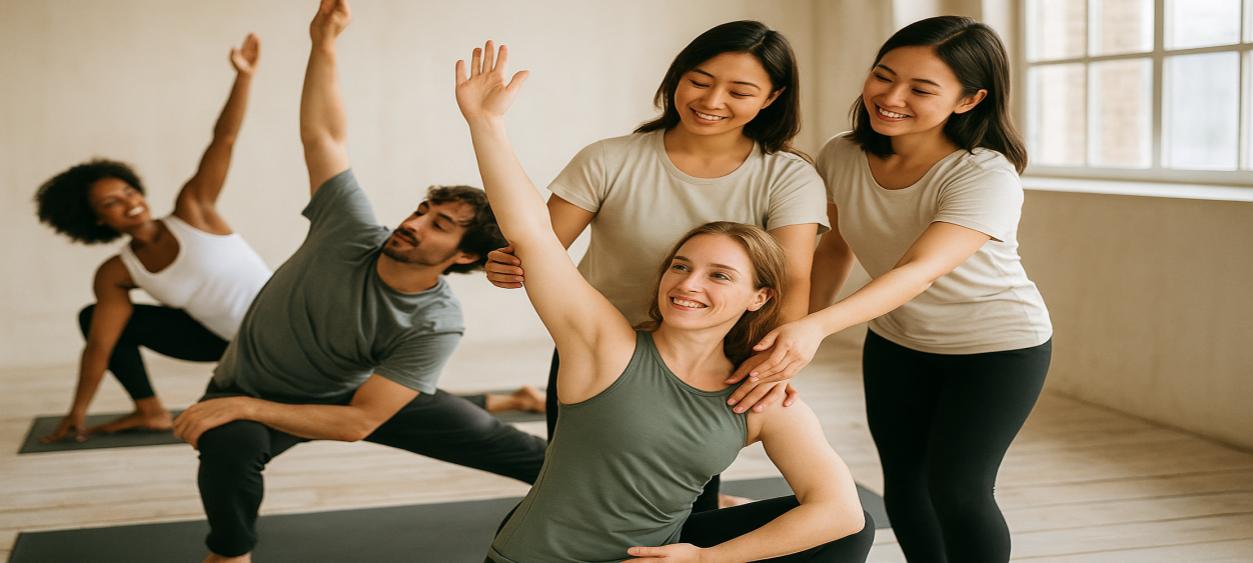 How to Evaluate Vancouver YTT Programs
Once you’ve narrowed down a style, the next step is evaluating actual programs. Vancouver has dozens of options, and the quality varies significantly. Here’s what to look for.
Start with the lead teachers. Look at their experience, lineage, and ongoing study. A strong lead teacher should have at least five to ten years of teaching experience, a clear lineage or mentorship history, and an active personal practice. Read their bios carefully. Watch videos of them teaching. If possible, take a class with them before enrolling. Your lead teacher’s voice will be in your head for years to come.
Check the curriculum. A good 200-hour program should clearly outline how it allocates the 200 hours across the five core areas mentioned earlier. Be wary of programs that spend the bulk of their time on asana while skimming philosophy, anatomy, or teaching methodology. Ask for the syllabus before you sign up.
Look at the studio’s reputation. Vancouver’s yoga community is tight-knit. Ask current and former students about their experience. Check Google reviews, social media, and yoga community forums. Look for patterns. One unhappy review isn’t a red flag, but ten unhappy reviews about the same issue probably is.
Consider the studio’s lineage and philosophy. Some Vancouver studios draw from specific traditions, like the Sivananda lineage or Iyengar tradition. Others blend multiple influences. Neither is better, but you should know what you’re getting. A clear lineage often means a clearer curriculum.
Think about logistics. How many hours per week does the program require? Does it fit your schedule? Where is the studio located, and how long is the commute? Is the cost manageable, or will it create financial stress that undermines your learning? Ask about payment plans, refund policies, and what happens if you need to defer.
Finally, talk to graduates. A good studio will happily connect you with former trainees. Ask them about the strengths and weaknesses of the program. Ask what they wish they’d known before enrolling. Ask if they feel prepared to teach, and where they’re teaching now. Real graduate experiences tell you more than any marketing brochure.
Career Paths After Your 200-Hour YTT
Let’s talk about what happens after you graduate. The teaching market in Vancouver is competitive but real. New teachers find work, but the path requires hustle, networking, and continued education.
If you trained in Vinyasa, your most likely first jobs will be at studios that hire newer teachers for community classes, early morning slots, or sub roles. Build your reputation by saying yes to everything reasonable in your first year. Teach at corporate wellness events. Sub for established teachers. Offer free or donation-based classes to build experience and word of mouth. Many successful Vancouver Vinyasa teachers spent their first year teaching twenty or more classes a week across multiple studios.
If you trained in Hatha, you’ll likely find work through community centers, gyms, senior programs, and corporate wellness rather than boutique studios. The pay can actually be more stable than boutique studio gigs, though the visibility is lower. Hatha teachers often build strong, loyal student bases over time. You’ll also find opportunities in therapeutic settings, including yoga therapy programs that often build on a Hatha foundation.
If you trained in Yin, expect a slower start. You’ll likely need to combine Yin teaching with other styles or with private clients to build a full schedule. Many Yin teachers in Vancouver also work as massage therapists, counselors, or somatic practitioners, integrating their yoga teaching into broader wellness offerings. The market is growing, but it’s still more of a niche than Vinyasa.
Across all styles, online teaching has become a meaningful revenue stream. Platforms like Glo and Yoga International offer opportunities to teach globally. Building your own YouTube channel, Instagram presence, or private online membership can also generate income, though it takes years to develop.
Most successful Vancouver teachers also continue their education beyond 200 hours. Many pursue 300-hour advanced trainings, Yoga Alliance E-RYT certification (which requires teaching hours), or specialty certifications in areas like prenatal yoga, trauma-informed yoga, or yoga therapy. Your 200-hour training is the beginning, not the end.
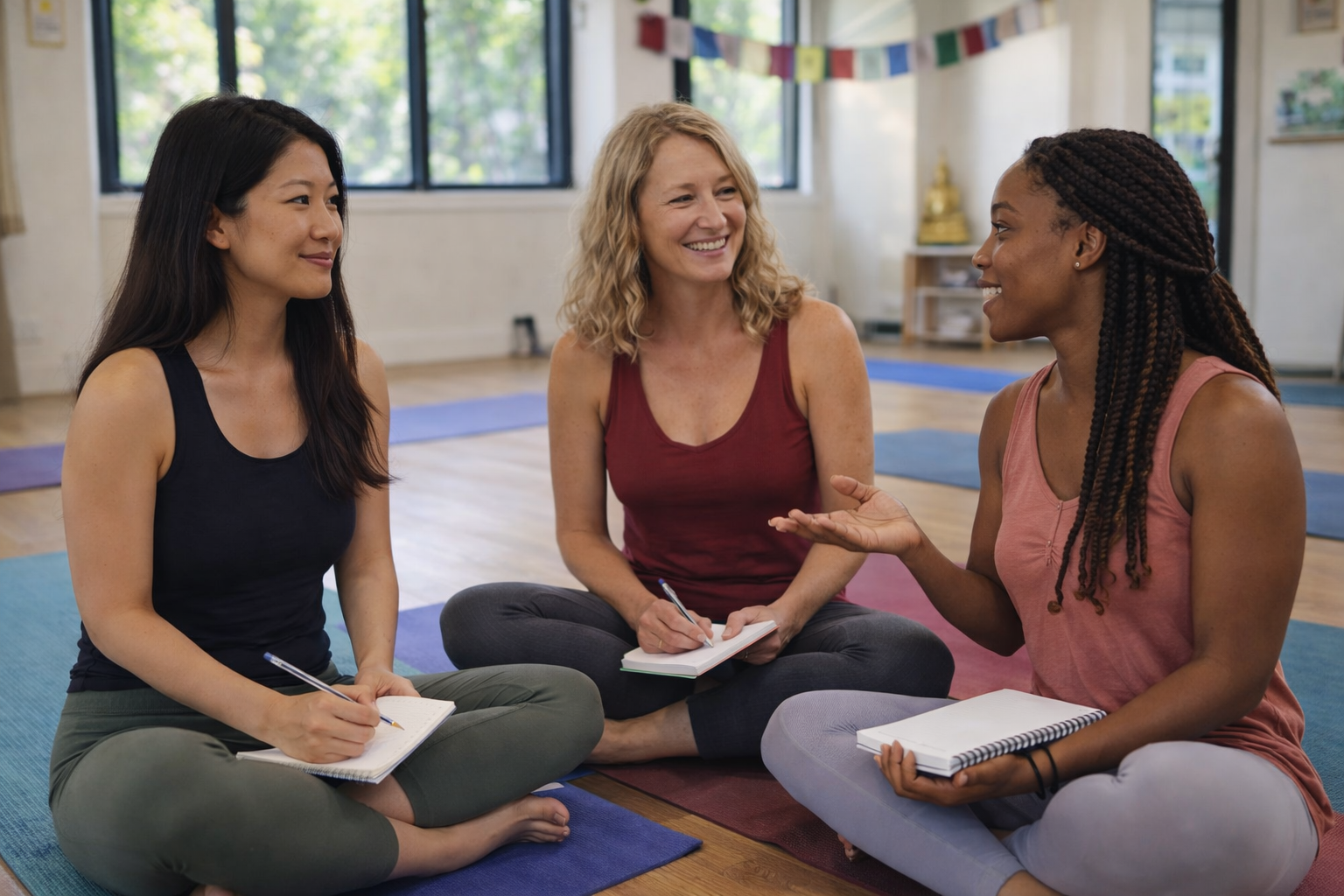 Making Your Final Decision
By now, you should have a clearer sense of which style speaks to you. Here’s a simple framework for making the final call.
Ask yourself three questions. What kind of yoga teacher do I want to be in five years? What kind of yoga student do I want to be right now? What does my body and life actually need to thrive during training?
If your answers point toward dynamic, creative, studio-based teaching, choose Vinyasa. If they point toward precise, traditional, accessible teaching across many populations, choose Hatha. If they point toward slow, contemplative, therapeutic work, choose Yin or a multi-style program with strong Yin content.
If you can’t decide between two styles, look for hybrid programs. Several Vancouver studios offer multi-style 200-hour trainings that include significant Hatha, Vinyasa, and Yin components. These give you broader exposure and more flexibility in your early teaching career. The trade-off is less depth in any single style, but for many new teachers, that breadth is exactly what they need.
Don’t choose based on price alone. A cheap training with weak teachers will cost you more in the long run than an expensive training with strong mentors. That said, don’t overspend either. A well-structured $3,500 program from a respected Vancouver studio will serve you as well as a $5,000 program with a celebrity teacher’s name attached.
Also, trust your gut. After you’ve done the research, visited studios, taken classes, and talked to graduates, one program will probably feel more right than the others. That intuition matters. Yoga is ultimately a practice of listening inward, and your YTT decision is your first major opportunity to practice that skill in a high-stakes way.
For broader context on yoga training quality standards, you can also explore resources from the International Association of Yoga Therapists and the Yoga Journal teacher training guides, which offer perspectives beyond any single studio’s marketing.
Conclusion
When considering the 200-Hour YTT Vancouver: Which Style Should You Train In (Hatha, Vinyasa, Yin)?, the answer depends on three things: your body, your goals, and your honest interests. Hatha offers depth, precision, and a strong foundation for teaching diverse populations. Vinyasa offers creativity, energy, and the broadest job market in Vancouver studios. Yin offers contemplation, therapeutic depth, and a growing niche in restorative and trauma-informed settings.
The main takeaway is this: there is no objectively best style. There is only the style that best matches who you are and who you want to become. Take your time choosing. Visit studios. Talk to teachers and graduates. Pay attention to what your practice has been telling you all along. The right 200-hour training will feel like coming home, even when it challenges you.
Whichever path you choose, your 200-hour YTT is the beginning of a much longer journey. The credential matters less than the curiosity, humility, and dedication you bring to it. Vancouver offers world-class options across all three styles. Trust yourself, do the research, and step into your training ready to learn deeply.